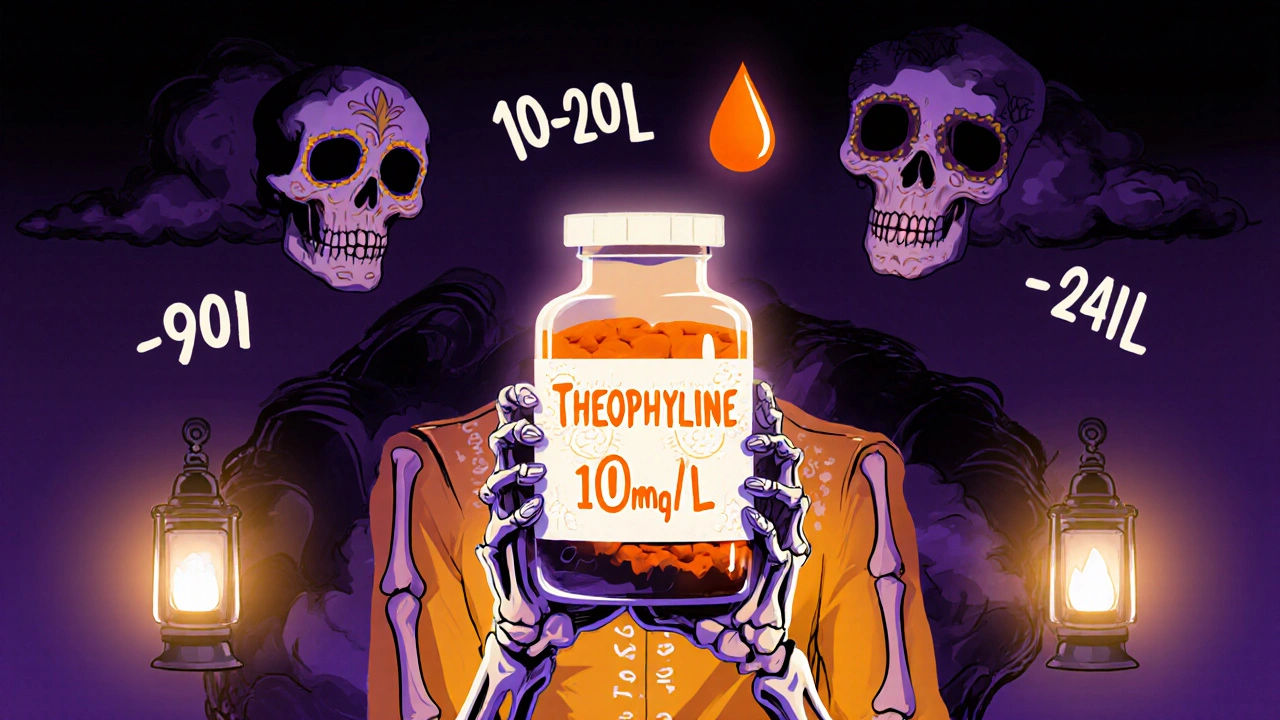
Narrow Therapeutic Index: Why Some Medications Demand Precision
When a drug has a narrow therapeutic index, the range between an effective dose and a toxic one is very small. Also known as a narrow therapeutic window, it means even a tiny mistake in dosing can lead to serious harm or death. These aren’t just any pills—they’re the kind that require exact timing, careful monitoring, and often blood tests to stay safe. Think of it like walking a tightrope: go a little too far one way, and you’re ineffective; go a little too far the other, and you’re in danger.
Drugs with a narrow therapeutic index include warfarin, a blood thinner where even small changes in dose can cause bleeding or clots, lithium, used for bipolar disorder and easily building up to toxic levels, and digoxin, a heart medication where too much can trigger dangerous heart rhythms. These aren’t over-the-counter options. They’re prescribed under strict supervision because the body doesn’t forgive errors. Even changes in diet, kidney function, or other medications can shift how these drugs behave in your system. That’s why regular blood tests aren’t optional—they’re lifesaving.
Many of the posts in this collection tie directly to this concept. Pill splitting can be dangerous with these drugs—cutting a tablet might not give you half the dose if the drug isn’t evenly distributed. NSAIDs can interfere with kidney function, which affects how drugs like lithium or digoxin are cleared from your body. And when you switch from an originator drug to a biosimilar, even minor differences in absorption can push you out of the safe window. Medication-induced glaucoma, liver toxicity from azathioprine, or kidney injury from NSAIDs? All of these can be linked to how a drug’s narrow therapeutic index interacts with your body’s changing state.
You won’t find a one-size-fits-all fix here. But you will find real-world guidance on how to spot the risks, understand why certain drugs need extra care, and avoid common mistakes that lead to hospital visits. Whether you’re managing your own treatment or helping someone else, knowing what a narrow therapeutic index means isn’t just helpful—it’s essential.