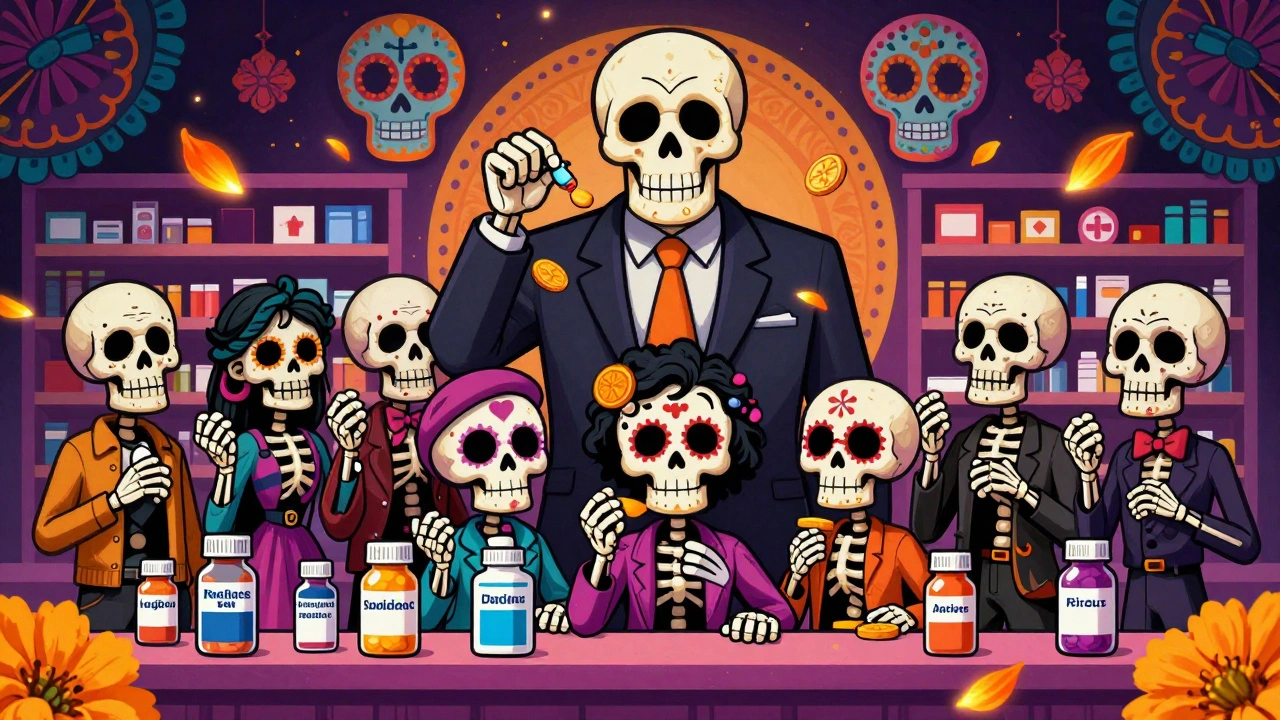
When you walk into a pharmacy and see ten different versions of the same pill on the shelf, you might assume prices are plummeting. That’s the theory: more competitors = lower prices. But in the real world of generic drugs, that’s not always true. In fact, sometimes having more generic options doesn’t make drugs cheaper - and in rare cases, it can even make them more expensive.
More Generics Don’t Always Mean Lower Prices
The FDA says generic drugs make up 90.3% of all prescriptions filled in the U.S. But they only account for 23.4% of total drug spending. That sounds like a win - until you dig deeper. The savings aren’t evenly distributed. For some drugs, prices drop fast. For others, they barely budge.
Here’s what actually happens when generics enter the market:
- One generic competitor? Prices fall 30-39% compared to the brand.
- Two generics? Prices drop 54%.
- Six or more? Prices can crash by 95% - if everything works as planned.
But that last one is rare. In reality, most drugs never get to six competitors. A 2023 study of 27 originator drugs in China found that 70.4% had only one or two generic versions after eight quarters. Even when multiple companies get approval, many never launch. Why? Because the economics don’t add up.
The Paradox of Generic Competition
Here’s the twist: brand-name companies don’t always give up when generics show up. In some cases, they raise prices.
In the Chinese market study, 15 out of 27 brand drugs kept over 70% of their market share even after generics entered. And while most brands lowered prices slightly (by an average of 3%), three of them actually increased prices - by 0.62% on average. Why? Because patients and doctors still trust the original brand. If a drug treats a chronic condition like high blood pressure or diabetes, people don’t want to switch. They don’t want to risk side effects or inconsistent dosing. So the brand holds on, and sometimes, it doubles down.
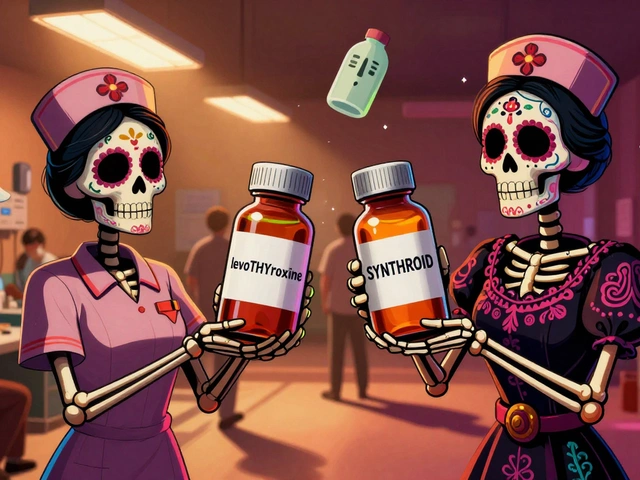
This isn’t just about perception. It’s about real clinical differences. Some generic versions don’t match the brand’s bioavailability exactly. Even tiny differences in how a drug is absorbed can matter for narrow-therapeutic-index drugs like warfarin or levothyroxine. When that happens, doctors stick with the brand - and patients pay more.
Complex Drugs Block Competition
Not all drugs are created equal. A simple tablet of metformin is easy to copy. But a complex inhaler, a long-acting injectable, or a transdermal patch? Those are a different story.
Manufacturers don’t just need to match the active ingredient. They have to prove they match every part of the drug - the formulation, the release mechanism, the excipients, even the packaging. This is called proving Q1, Q2, Q3 sameness. It requires expensive clinical studies, specialized equipment, and years of development. Only a handful of big generic companies can afford it.
DrugPatentWatch found that these barriers mean the market for complex generics is dominated by just a few players. Even if 10 companies get FDA approval, only 2 or 3 ever make it to market. That’s not competition - it’s an oligopoly. And when there are only two or three suppliers, prices stay high.
Who’s Really Buying the Drugs?
Most people think pharmacies set drug prices. But they don’t. Pharmacy Benefit Managers (PBMs) do.
StoneTurn’s 2021 analysis showed PBMs controlled 90% of pharmaceutical purchasing in 2017. They negotiate rebates, set formularies, and decide which generics get covered. And they don’t always pick the cheapest option. Sometimes they pick the one that gives them the biggest rebate - even if it’s not the lowest list price.
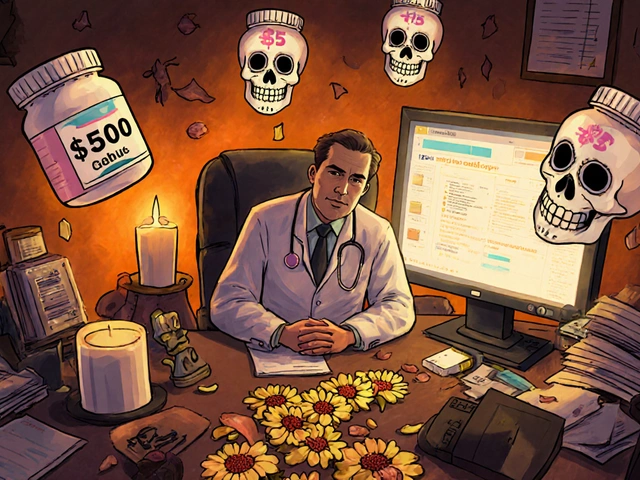
This creates a hidden layer of pricing. A generic might be listed at $5, but if the PBM gets a $3 rebate, the manufacturer has to sell it at $8 just to break even. That’s why you see the same drug priced differently at different pharmacies. The consumer never sees the real cost - only the final price after rebates and discounts are shuffled behind the scenes.
Authorized Generics: The Secret Weapon
Here’s another twist: sometimes the brand company itself launches a generic version. These are called authorized generics (AGs). They’re identical to the brand drug, sold under a different label, and often cheaper.
When the brand owns the AG, it cuts its own wholesale prices by 8-12%. That should help consumers. But here’s the catch: when the AG is owned by a different company, brand prices jump 22% higher. Why? Because the brand knows it’s now competing with a true rival - not a controlled version of itself. So it raises prices to protect margins.
It’s a game of chess. The brand doesn’t just react to competition - it shapes it.
Patents, Delays, and Pay-for-Delay Deals
Even when a generic company gets FDA approval, that doesn’t mean it can sell the drug. Brand companies often file dozens of patents - not all of them valid - just to delay entry. These are called “evergreening” tactics.
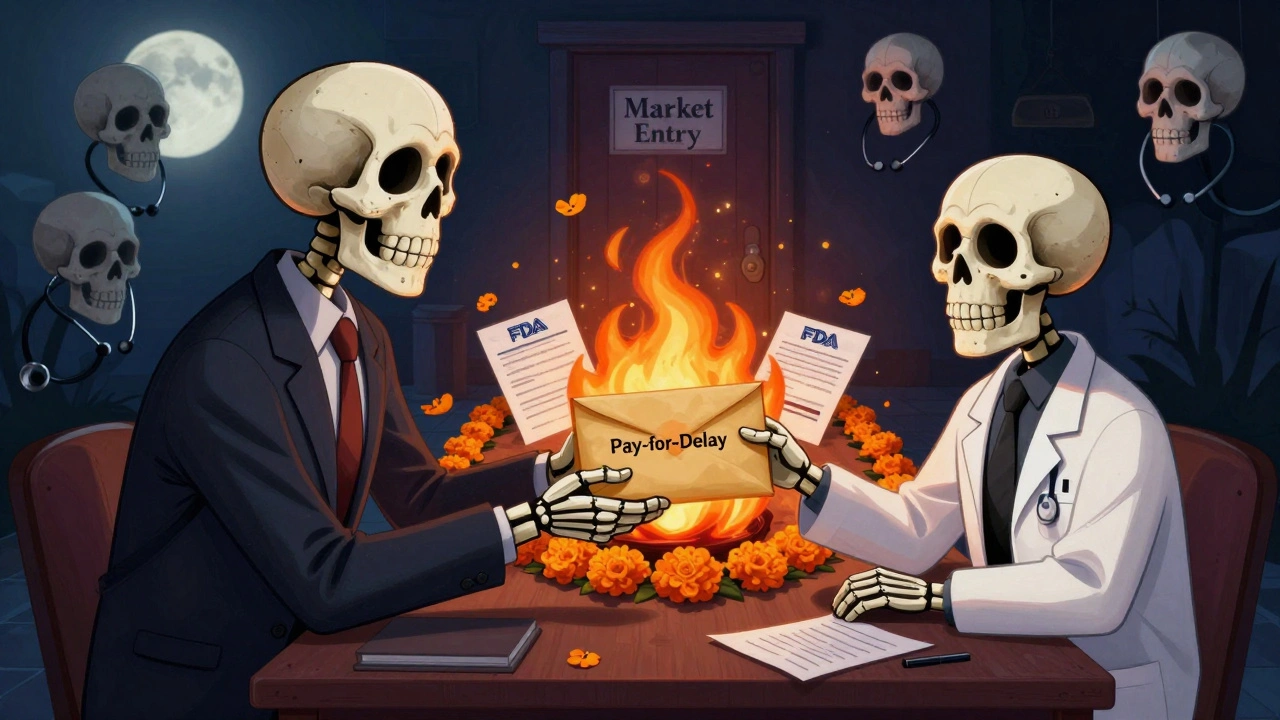
Some of these patent fights end in “pay-for-delay” deals. The brand pays the generic company to stay off the market. The FTC has documented dozens of these cases. In one, a brand paid $1.2 billion to delay a generic version of a heart drug for three years. That’s not competition. That’s collusion.
These deals are illegal under U.S. antitrust law - but they still happen. And when they do, prices stay high for years.
Supply Chains and Shortages
Here’s something most people don’t realize: having multiple generic manufacturers isn’t just about price - it’s about safety.
FDA data from 2018 to 2022 shows that drugs with three or more manufacturers had 67% fewer shortages than those with only one. Why? Because if one factory has a quality issue, another can pick up the slack. But if there’s only one supplier - and that supplier shuts down for repairs - patients go without.
That’s why the FDA pushes for multiple suppliers. But the market doesn’t always cooperate. For some drugs, only one company can meet the technical standards. For others, the profit margin is too thin. So we get shortages of essential drugs like insulin, antibiotics, and chemotherapy agents - even though there are dozens of approved generics on paper.
The New Threat: Medicare Price Negotiation
The Inflation Reduction Act of 2022 lets Medicare negotiate prices for 10 high-cost drugs each year. That sounds good - until you think about the ripple effect.
Lumanity’s 2023 analysis found that when Medicare sets a “Maximum Fair Price” (MFP), generic manufacturers have less incentive to enter the market. Why? Because if the brand is capped at $10 a pill, no generic company wants to spend $5 million to develop a copy that can only sell for $8.
This could break the model that made generics successful: multiple competitors driving prices down. If the government sets the floor too low, manufacturers walk away. And when manufacturers walk away, shortages follow.
What’s Different Around the World?
Portugal caps generic drug prices. That sounds like it would make things cheaper. But it doesn’t. Instead, it creates a system of “mutual forbearance.” Companies know the cap is $5, so they all price at $5. No one lowers it because no one can afford to. It’s not competition - it’s coordination.
In the U.S., prices are set by market forces. In Europe, governments negotiate bulk prices. In China, brand companies often keep market share through brand loyalty. Each system has trade-offs.
The U.S. model works best when competition is real. But when barriers are high, when patents are weaponized, when PBMs control the flow, and when the government sets price floors - competition becomes a myth.
What Needs to Change
More generics aren’t the answer. Better competition is.
- Stop pay-for-delay deals with real penalties.
- Require transparency in PBM rebates.
- Simplify approval for complex generics with shared testing standards.
- Encourage new entrants with tax credits or guaranteed purchase agreements.
- Let the FDA approve multiple generics faster - without letting patents block them.
Right now, the system rewards big companies that can afford lawyers, lobbyists, and labs. It doesn’t reward patients who need affordable medicine.
The goal shouldn’t be to approve more generics. It should be to make sure those generics actually reach the market - and drive prices down.
Why do some generic drugs cost more than others, even if they’re the same medicine?
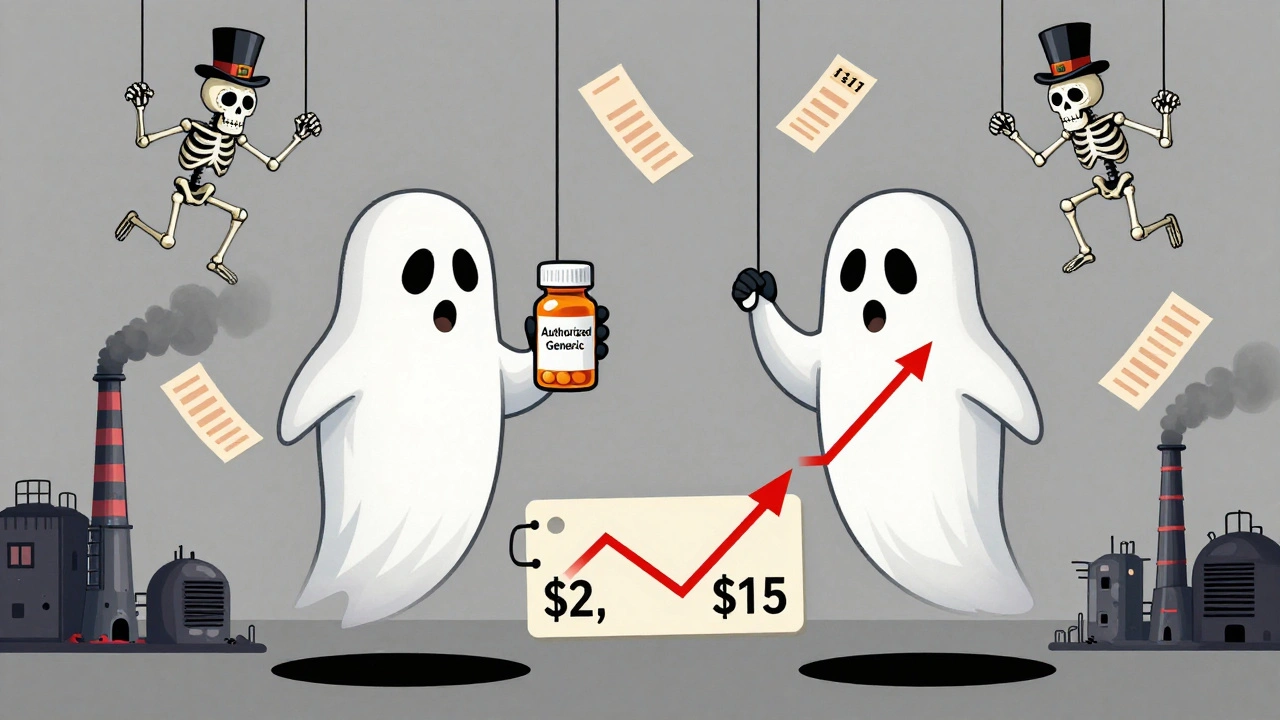
Generic drugs are chemically identical, but their prices vary because of how they’re sold. Pharmacy Benefit Managers (PBMs) negotiate rebates behind the scenes, and the final price you pay depends on your insurance plan, the pharmacy, and whether the manufacturer is offering a discount. A generic sold at a discount to a large insurer might cost $2, while the same drug sold directly to a patient without insurance could cost $15. The drug is the same - the pricing system isn’t.
Do generic drugs work as well as brand-name drugs?
Yes - for most drugs. The FDA requires generics to prove they’re bioequivalent to the brand, meaning they deliver the same amount of active ingredient at the same rate. But for drugs with a narrow therapeutic index - like warfarin, lithium, or levothyroxine - even small differences in absorption can matter. That’s why some doctors and patients stick with the brand. It’s not because generics are less effective - it’s because consistency matters more for these drugs.
Why don’t more companies make generic drugs if they’re so profitable?
They’re not always profitable. For simple drugs, margins are razor-thin - sometimes under 10%. Many small manufacturers can’t afford the upfront costs of FDA approval, testing, or legal battles over patents. Only large companies with deep pockets can handle complex generics or survive price wars. So even when there’s room for 10 competitors, only 2 or 3 show up.
What’s an authorized generic, and why does it matter?
An authorized generic is the brand-name drug sold under a different label - often at a lower price. It’s made by the same company, same factory, same formula. But when the brand company owns the authorized generic, it lowers its own prices. When a third party owns it, the brand raises prices to compete. That’s why the ownership structure changes how the market behaves.
Can government price controls make generic drugs cheaper?
Sometimes - but not always. Price caps in places like Portugal keep prices stable, but they also stop competition from driving prices lower. In the U.S., Medicare’s new price negotiation program could reduce incentives for generic manufacturers to enter the market if the set price is too low. The goal should be to encourage competition, not just set a price ceiling. Real savings come from multiple companies competing - not from a single government price.
Market competition in generic drugs isn’t broken - it’s being manipulated. The system was designed to save money and increase access. But today, it often protects big companies, not patients. Fixing it means cutting through the legal and financial noise - and putting real competition back in the hands of patients.
There are 16 Comments
Ollie Newland
Man, this post nails it. I work in pharma compliance and see this crap daily. The PBM rebate shell game is pure insanity. A drug listed at $5 gets sold to the PBM for $2, they take $1.50 as ‘admin fees,’ and the pharmacy still charges you $15 because ‘insurance negotiated it.’ No one wins except the middlemen.
And don’t get me started on authorized generics. Brand companies use them like a weapon - launch their own ‘cheap’ version, crush the real competitors, then jack up the original again. It’s predatory capitalism dressed up as ‘market efficiency.’
Rebecca Braatz
STOP acting like this is just about drugs. This is about power. The system was built to protect corporations, not patients. PBMs? Patent trolls? Pay-for-delay? These aren’t bugs - they’re features. And guess who pays? YOU. The person trying to afford insulin or blood pressure meds.
It’s time to burn it all down and rebuild with patient-first policies. No more rebates. No more patents as weapons. No more CEOs buying yachts while seniors split pills.
WE NEED SYSTEMIC CHANGE. NOW.
Ben Choy
Wow. This is wild. I didn’t realize how much of this was hidden. I thought generics were just cheaper versions - turns out they’re a whole ecosystem of corporate chess moves.
That bit about complex generics needing Q1-Q3 sameness? That’s insane. It’s like saying you can’t make a copy of a Lamborghini unless you also replicate the exact paint formula, tire tread, and torque curve. Who designed this system?
Also, the shortage stats are terrifying. One factory breaks down and people can’t get chemo? That’s not a supply chain issue - that’s a humanitarian crisis.
Augusta Barlow
Okay, but what if this is all a psyop? Think about it - the FDA, the DEA, the big pharma lobby, the PBM oligarchs - they’re all connected. The ‘generic drug savings’ narrative? Total distraction. They want you to believe competition is working so you don’t ask why your $3 pill suddenly costs $30 after your insurance changes.
And the ‘authorized generic’ trick? That’s not market behavior - that’s corporate espionage. The brand company owns the generic, but pretends it’s a competitor. Then they raise prices on the original and say ‘look, competition is forcing us down!’
Who’s funding this? Who’s controlling the data? I’ve seen the same 3 companies owning 90% of the ‘competing’ generics. It’s not competition - it’s collusion with a side of PR.
And don’t even get me started on Medicare’s price caps. That’s just the government setting the price so the same 3 companies can still profit - just with a smaller slice. It’s all designed to keep you paying.
They’re not trying to fix this. They’re trying to make you think they are.
Rachel Bonaparte
Look, I get it - you’re all so passionate about ‘competition.’ But let’s be real: the only thing that’s competitive here is who can afford the best lobbyists. The FDA? Controlled by pharma. PBMs? Owned by insurers who are owned by pharma. Even the ‘independent’ generic manufacturers? Often subsidiaries of the same conglomerates.
And the ‘bioequivalence’ standards? That’s a joke. For drugs like levothyroxine, a 5% difference in absorption can trigger a thyroid storm. But the FDA says ‘close enough.’ Meanwhile, doctors are stuck between a rock and a hard place - prescribe the brand and get sued for cost, prescribe the generic and risk a patient ending up in the ER.
This isn’t a market failure. It’s a moral failure. And no, more generics won’t fix it. The system is rigged. The players are the same. The game is fixed.
Scott van Haastrecht
THIS IS A SCAM. FULL STOP.
They let 10 companies get approval for a generic. Then 8 never launch because the price is too low. The remaining 2? They collude. They split the market. They raise prices. And you think that’s ‘competition’? No. That’s price-fixing with a FDA stamp.
And the ‘pay-for-delay’ deals? Those aren’t loopholes - they’re contracts. The FTC knows about them. The DOJ knows. But they don’t prosecute because the lawyers are paid by the same firms.
I’ve seen the spreadsheets. I’ve seen the emails. This isn’t capitalism. It’s feudalism with a pharmacy counter.
And now Medicare’s stepping in? Great. Now the government will set the price so the same 3 companies can still make 40% margins. Brilliant.
Who’s next? The oxygen industry?
Michael Feldstein
Big picture: this isn’t about drugs. It’s about trust. People don’t switch generics because they’re scared. Not because they’re dumb - because they’ve been burned before. A bad batch of generic levothyroxine can send someone into cardiac arrest. That’s not hypothetical - it’s documented.
And the PBM thing? Yeah, it’s wild. I worked at a pharmacy chain. We had a drug listed at $4, but our rebate from the PBM was $6. So we had to charge $10 just to not lose money. The customer paid $10, the PBM got $6, the manufacturer got $4. We made $0. And the patient? They thought they were getting a deal.
Real solution? Transparent pricing. No rebates. No middlemen. Just list price = final price. And let the market decide - not the spreadsheet.
jagdish kumar
Competition is a myth. The market is a mirror - it reflects only what the powerful want you to see. The pill you buy is not medicine. It is a symbol. A symbol of control. Of capital. Of the illusion of choice.
They give you ten brands. But only one truth: you are not the customer. You are the product.
And yet… you still buy it.
Alex Piddington
Thank you for this incredibly thorough breakdown. As someone who works in public health policy, I’ve seen how these dynamics play out in rural clinics. Patients skip doses because the generic they were prescribed suddenly went from $5 to $45. They don’t understand why. Neither do their doctors.
The key takeaway: transparency. We need real-time pricing data, public disclosure of PBM rebates, and mandatory reporting of manufacturing delays. Until then, we’re just guessing at the cost of survival.
Libby Rees
This is one of the clearest explanations I’ve read on why generic drugs are so confusing. I always thought it was just about manufacturing costs. Turns out, it’s about who owns the data, who controls the contracts, and who gets to decide what ‘equivalent’ means.
That part about complex generics needing Q1-Q3 sameness? Mind blown. I thought generics were just cheaper copies. Turns out, some are impossible to copy without billion-dollar labs.
And the authorized generic twist? That’s straight out of a corporate thriller. I’m going to share this with my book club.
Rudy Van den Boogaert
My dad’s on warfarin. He’s been on the same brand for 12 years. Switched to a generic once - his INR went haywire. He’s not paranoid. He’s just been through it.
Now I get why. It’s not about the active ingredient. It’s about the fillers, the coating, the dissolution rate. For some drugs, even 2% variation matters.
So yeah - more generics don’t help if they’re not *safe* generics. We need better standards, not more approvals.
Also, PBMs are the real villains here. They’re the ones who decide which drug you get - not your doctor. That’s messed up.
Jordan Wall
OMG this is so deep 😭 I just realized the entire pharmaceutical system is a 🤖AI-generated dystopia. Like, imagine if the FDA was run by Wall Street bots who only care about ‘market share’ and ‘margin optimization’ and ‘Q2 equivalence’…
And the ‘authorized generic’ thing? That’s not a product - it’s a psychological trap. You think you’re saving money, but you’re just feeding the machine.
Also, why is no one talking about how 80% of API (active pharmaceutical ingredients) come from China and India? What if they just… stop? 😳
WE’RE ALL ONE TARIFF AWAY FROM A MEDICINE APOCALYPSE.
Gareth Storer
So let me get this straight - we have a system where the only way to lower prices is to have more competitors… but the competitors can’t enter because the rules are designed to keep them out?
That’s not capitalism. That’s a joke written by a lobbyist on acid.
And now we’re supposed to be impressed that Medicare’s ‘negotiating’ prices? Lol. They’re just setting the price at the level the big players told them to.
Next up: ‘Free’ air. You’ll pay for the privilege of breathing.
Pavan Kankala
They sell us freedom. But the pills are chained.
The FDA approves. The PBM controls. The brand owns the ghost.
Who are we really fighting?
The system doesn’t care if you live. It only cares if you pay.
Jessica Baydowicz
Okay, I just read this and I’m literally crying. Not because it’s sad - because it’s so obvious and no one talks about it. I work in a clinic and see patients skipping doses because they can’t afford the ‘generic.’ And we all pretend it’s their fault for not having good insurance.
But it’s not their fault. It’s the system. The system is broken. And we’re all just trying to survive inside it.
Thank you for writing this. I’m sharing it with everyone I know. We need to scream louder.
Rebecca Braatz
And the worst part? We’re being told to ‘be patient.’ Like, wait for reform. Like, trust the process. The process is the problem.
It’s time to stop asking for permission and start demanding justice. No more compromises. No more ‘phased approaches.’
Fix this now - or we’ll fix it ourselves.
Write a comment
Your email address will not be published. Required fields are marked *