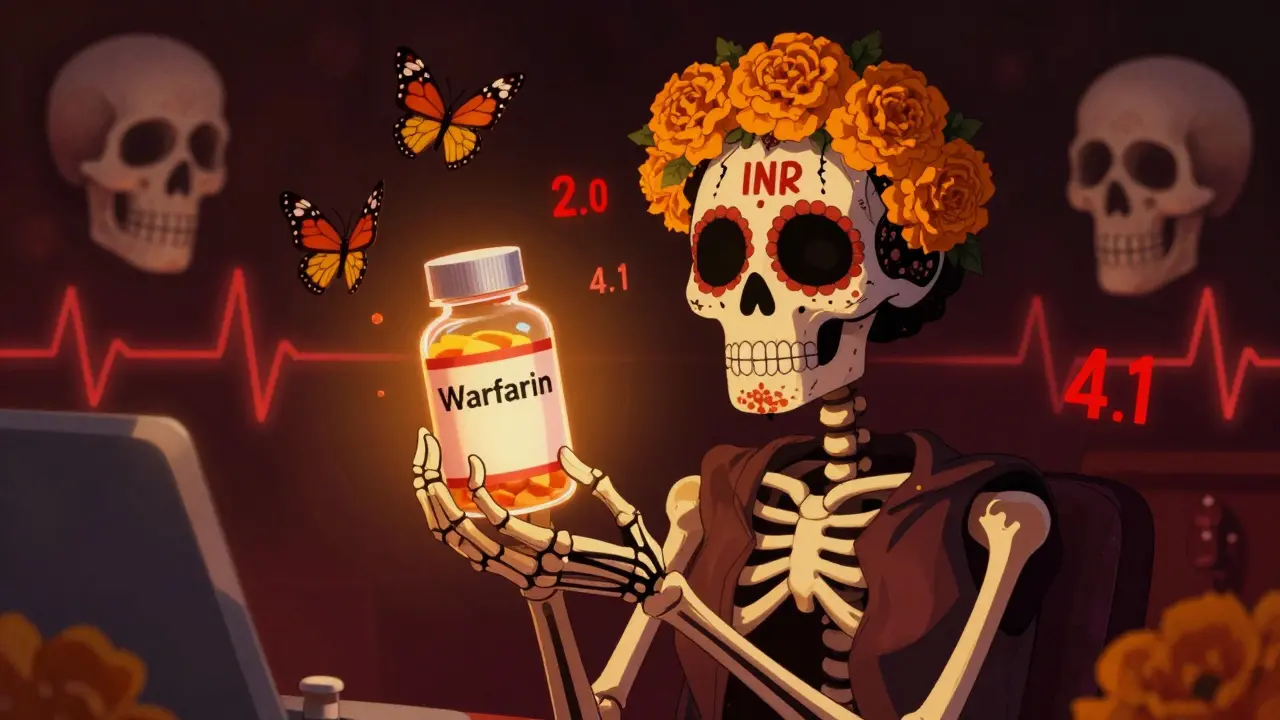
Some medications don’t play by the usual rules. Take warfarin, for example. A tiny bit more than your prescribed dose, and you could start bleeding internally. A tiny bit less, and a blood clot could form-maybe in your heart, lungs, or brain. There’s no middle ground. This is the reality of narrow therapeutic index (NTI) drugs. These aren’t just any pills. They’re precision tools. One wrong move, and things can go very wrong, very fast.
What Exactly Is a Narrow Therapeutic Index?
Think of a therapeutic index as the safety buffer between a drug that works and a drug that harms. For most medicines, that buffer is wide. You can miss a dose, take it a little late, or even switch brands without noticing much difference. But with NTI drugs, that buffer is razor-thin-often less than a twofold difference between the dose that helps and the dose that hurts.
The U.S. Food and Drug Administration (FDA) defines NTI drugs as those where even small changes in blood levels can cause serious harm: life-threatening reactions, permanent disability, or treatment failure. This isn’t theoretical. It’s backed by data. For instance, with digoxin, a heart medication, the safe range is 0.5 to 0.9 nanograms per milliliter. Go above 2.0, and you risk deadly irregular heartbeats. Go below 0.5, and your heart condition could worsen. That’s a 2.5-fold difference-and it’s the biggest safety margin some NTI drugs have.
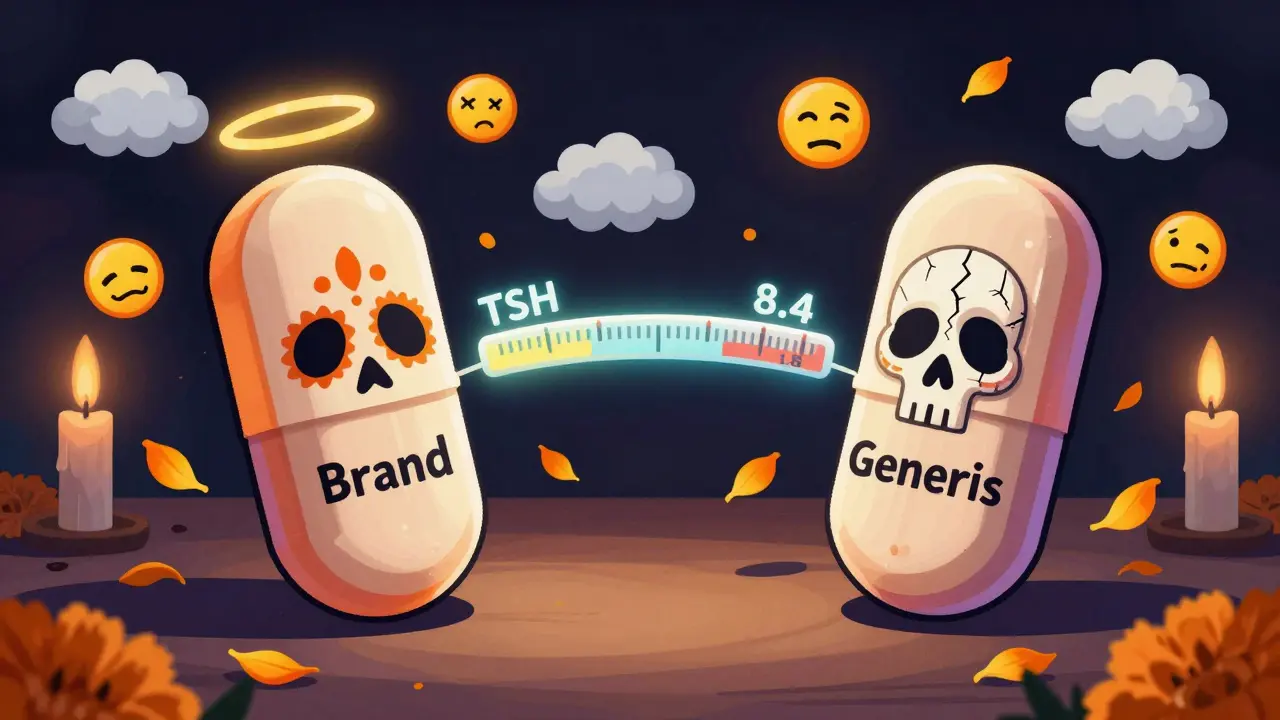
It’s not just about dose size. It’s about how your body absorbs, breaks down, and clears the drug. Even minor differences between generic brands can shift your blood levels enough to cause trouble. That’s why switching from one generic version of levothyroxine to another can make your TSH levels swing from normal to dangerously high in just weeks.
Common NTI Drugs You Might Be Taking
You might not realize you’re on an NTI drug unless your doctor or pharmacist tells you. Here are the most common ones:
- Warfarin (Coumadin, Jantoven) - Used to prevent clots. Requires frequent INR blood tests.
- Lithium (Lithobid) - For bipolar disorder. Needs regular blood checks to avoid tremors, confusion, or seizures.
- Levothyroxine (Synthroid, Tirosint) - For hypothyroidism. Even small changes can cause fatigue, weight gain, or heart problems.
- Digoxin (Lanoxin) - For heart failure or irregular heartbeat. Very easy to overdose.
- Phenytoin (Dilantin) and Carbamazepine (Tegretol) - For seizures. Blood levels must be tightly controlled.
- Tacrolimus (Prograf) - For transplant patients. Too low = organ rejection. Too high = kidney damage.
- Methotrexate (Trexall) - Used for autoimmune diseases and some cancers. Small overdoses can be fatal.
These aren’t rare drugs. Millions of people take them. But not everyone knows how dangerous even small mistakes can be.
Why Generic Switches Can Be Risky
Generic drugs are usually safe and save money. But for NTI drugs, that’s not always true. The FDA allows generic versions to vary by up to 20% in how much drug gets into your bloodstream compared to the brand name. That’s fine for most meds. For NTI drugs? That 20% can be the difference between healing and hospitalization.
Real stories prove it. One patient switching from brand Coumadin to a generic saw their INR jump from 2.5 to 4.1 in just a week-enough to cause dangerous bleeding. Another person on levothyroxine switched generics and watched their TSH level climb from 1.8 to 8.4 in six weeks. Symptoms? Constant fatigue, weight gain, brain fog.
That’s why some states, like North Carolina, require pharmacists to get your doctor’s approval before swapping an NTI drug for a generic. The European Medicines Agency (EMA) even tightened its rules-requiring generics to match the brand within 90-111% instead of the usual 80-125%. That’s a huge difference.
Bottom line: Don’t assume all versions of your NTI drug are the same. If you’re switched without warning, get your blood tested right away.
Monitoring Is Non-Negotiable
With NTI drugs, you can’t just take the pill and forget it. You need to monitor. Regularly.
For warfarin: INR tests every 1-4 weeks, especially when starting or changing doses. The goal? Keep your INR between 2.0 and 3.0 (or as your doctor sets). Above 3.5? Bleeding risk spikes. Below 2.0? Clots become likely.
For lithium: Blood tests every 3-6 months, more often when adjusting dose. Therapeutic range? 0.6 to 1.2 mmol/L. Above 1.5? Toxicity kicks in-tremors, nausea, confusion. Above 2.0? You’re at risk of seizures or kidney damage.
For levothyroxine: TSH tests every 6-8 weeks after a dose change, then every 6-12 months if stable. A TSH over 5.0 usually means you’re under-dosed. Below 0.5? You might be over-dosed, straining your heart.
These aren’t suggestions. They’re lifesaving checks. A 2022 study found that patients who tracked their lab results and symptoms using a simple diary had 32% fewer bad reactions than those who didn’t.
What You Need to Do Every Day
Managing an NTI drug isn’t just about blood tests. It’s about daily habits.
- Stick to one brand or generic-and never switch without talking to your doctor. If your pharmacy tries to substitute, say no unless your prescriber approves.
- Take it the same way every time. Levothyroxine, for example, works best on an empty stomach, 30-60 minutes before food. If you start taking it with coffee or calcium, your absorption drops.
- Know the warning signs. For warfarin: unusual bruising, nosebleeds, dark urine. For lithium: shaking hands, vomiting, dizziness. For digoxin: blurred vision, fast heartbeat, nausea. Don’t wait. Call your doctor at the first sign.
- Watch for interactions. Some foods, supplements, and other drugs can throw off your levels. Vitamin K (in leafy greens) affects warfarin. Calcium and iron can block levothyroxine. Grapefruit can raise tacrolimus levels dangerously. Always tell your pharmacist what else you’re taking.
- Use a tracker. Whether it’s a notebook, a phone app, or a printable chart, write down your doses, symptoms, and lab results. It helps you and your doctor spot trends early.

What’s Changing in 2026?
The system is slowly improving. The FDA is working on a formal list of NTI drugs-something it didn’t have before. By late 2024, they plan to publish clear rules on which drugs need stricter generic testing.
There’s also new tech. Hospitals now use barcode scanning on 12 high-risk NTI drugs to prevent dosing errors. Three FDA-approved apps help patients track meds, symptoms, and lab values. And in the next few years, genetic testing may become standard. Researchers found that variations in just two genes-CYP2C9 and VKORC1-explain up to 60% of why some people need way more or less warfarin than others. By 2026, doctors may test your DNA before even prescribing your first dose.
These aren’t futuristic ideas. They’re already happening. And they’re making NTI drug therapy safer.
It’s Not Scary-It’s Manageable
Yes, NTI drugs demand more attention. But they’re not a death sentence. Many people live stable, full lives on them. One Reddit user with bipolar disorder said: “Regular lithium tests kept me stable for eight years. Before that, I was hospitalized three times in two years.”
Success comes down to three things: consistency, communication, and awareness. Don’t switch brands. Don’t skip blood tests. Don’t ignore symptoms. Tell your doctor and pharmacist everything-even if it feels small.
You’re not just taking a pill. You’re managing a delicate balance. And with the right habits, you can stay in control-every single day.
Are all generic drugs unsafe for NTI medications?
No, not all generics are unsafe. Many are perfectly fine. But because NTI drugs have such a small safety margin, even small differences in how the body absorbs them can cause problems. That’s why switching between different generic brands without monitoring can be risky. Always check with your doctor before switching, and get a blood test soon after any change.
Can I stop taking my NTI drug if I feel fine?
Never stop or change your dose without talking to your doctor. Even if you feel fine, your blood levels might be too low or too high. For example, stopping levothyroxine can cause your thyroid to shut down again, leading to fatigue, weight gain, and heart strain. Stopping lithium can trigger a severe mood episode. These drugs require steady levels to work safely.
How often should I get blood tests for my NTI drug?
It depends on the drug and your situation. For warfarin, expect tests every 1-4 weeks when starting or adjusting. For lithium, every 3-6 months once stable, but more often if you’re sick, changing doses, or starting new meds. For levothyroxine, check TSH every 6-8 weeks after a dose change, then every 6-12 months. Always follow your doctor’s specific plan.
What should I do if I miss a dose?
Don’t double up. For most NTI drugs, missing one dose won’t cause immediate harm, but it can throw off your levels over time. Call your doctor or pharmacist for advice. For warfarin, they might check your INR sooner. For levothyroxine, they may advise taking it as soon as you remember, or skipping it if it’s close to your next dose. Never guess-ask.
Can diet or alcohol affect my NTI drug?
Yes, significantly. For warfarin, large amounts of vitamin K (in spinach, kale, broccoli) can make it less effective. Alcohol can increase bleeding risk and affect how your liver processes the drug. For lithium, dehydration from alcohol or excessive sweating can raise levels to dangerous points. For levothyroxine, calcium, iron, soy, and coffee can block absorption. Stick to a consistent diet and limit alcohol. Tell your doctor about any big changes.



There are 9 Comments
Lance Long
Man, I was on warfarin for years after my pulmonary embolism. The first time my INR spiked to 5.2, I thought I was gonna bleed out in my sleep. Learned real quick to keep a logbook and never skip tests. Now I use an app that texts me when it’s time to check in. Life’s not perfect, but it’s stable. Don’t sleep on the monitoring.
Also, side note: if your pharmacy tries to switch your generic without asking, tell them NO. Just say ‘I’m on an NTI drug - doctor’s orders.’ They’ll back off.
Jeffrey Carroll
It is imperative to recognize that the pharmacokinetic variability inherent in generic formulations of narrow therapeutic index medications necessitates a heightened level of clinical vigilance. While generics are generally cost-effective and appropriate for most pharmacotherapies, their substitution in the context of agents such as levothyroxine or lithium may result in clinically significant deviations in serum concentrations, potentially compromising patient safety. Consistent brand utilization, coupled with diligent therapeutic drug monitoring, remains the standard of care.
Mel MJPS
My mom’s on lithium and she used to forget her blood tests. After she got dizzy and threw up for three days, we started setting phone alarms for both the meds and the labs. Now she’s fine - but she still calls me every time she feels ‘off.’ It’s scary how fast things can go wrong. Don’t wait for a crisis to start paying attention.
Ambrose Curtis
bro i switched my levothyroxine generic because it was $10 cheaper and my tsh went from 2.1 to 7.8 in 3 weeks. i felt like a zombie, gained 15 lbs, and my brain was mush. called my doc, they switched me back and i’m back to normal. pharmacy tried to do it again last month - i told them ‘nope, not this time.’ they gave me the paper form to sign saying i refused the switch. do not let them play russian roulette with your thyroid.
also, grapefruit is a menace. i learned that the hard way with tacrolimus after my transplant. just say no.
and yes, the 20% variance rule is wild. why is that even legal for these drugs? someone needs to fix this.
Linda O'neil
You got this. Seriously. I know it feels overwhelming - tests, logs, diet restrictions, pharmacy drama - but you’re not alone. I’ve been on methotrexate for psoriatic arthritis for 8 years. I track everything in a little notebook. I color-code my meds. I even made a calendar with stickers for blood draw days. It’s not glamorous, but it keeps me alive and out of the hospital. Small habits = big wins. You’re doing better than you think.
doug b
Just had my INR checked today - 2.7. Perfect. I’ve been on warfarin since 2019. My rule? Same brand. Same time. Same food. No grapefruit. No random supplements. And I never let the pharmacy switch me without calling my doctor first. It’s not hard. It’s just boring. But boring beats the ER.
Also - if you’re on lithium and you’re sweating a lot? Drink water. Don’t chug it, but don’t ignore it either. Heat + lithium = bad news.
Katie Mccreary
So you’re telling me I can’t have my kale smoothie anymore? Cool. Thanks for ruining my diet. Also, why is this even a thing? Why can’t they just make these drugs more forgiving? Why do I have to be a scientist just to stay alive? This is ridiculous. Someone’s making money off this chaos.
Kevin Kennett
My cousin got a kidney transplant and was on tacrolimus. They switched her to a cheaper generic and she almost lost the organ. She had to go back to the hospital with fever, shaking, and her creatinine through the roof. Took months to stabilize. Now she pays extra for the brand. Worth every penny.
Also - if you’re on phenytoin and you start seeing halos around lights? That’s not your eyes. That’s toxicity. Call your neurologist. Now.
And yeah, the FDA needs to step up. These aren’t vitamins. They’re landmines with pills on them.
Jess Bevis
Just came from Nigeria - they don’t even have routine blood monitoring for these drugs. People just take what they’re given. Scary stuff. You guys are lucky to have labs at all.
Write a comment
Your email address will not be published. Required fields are marked *