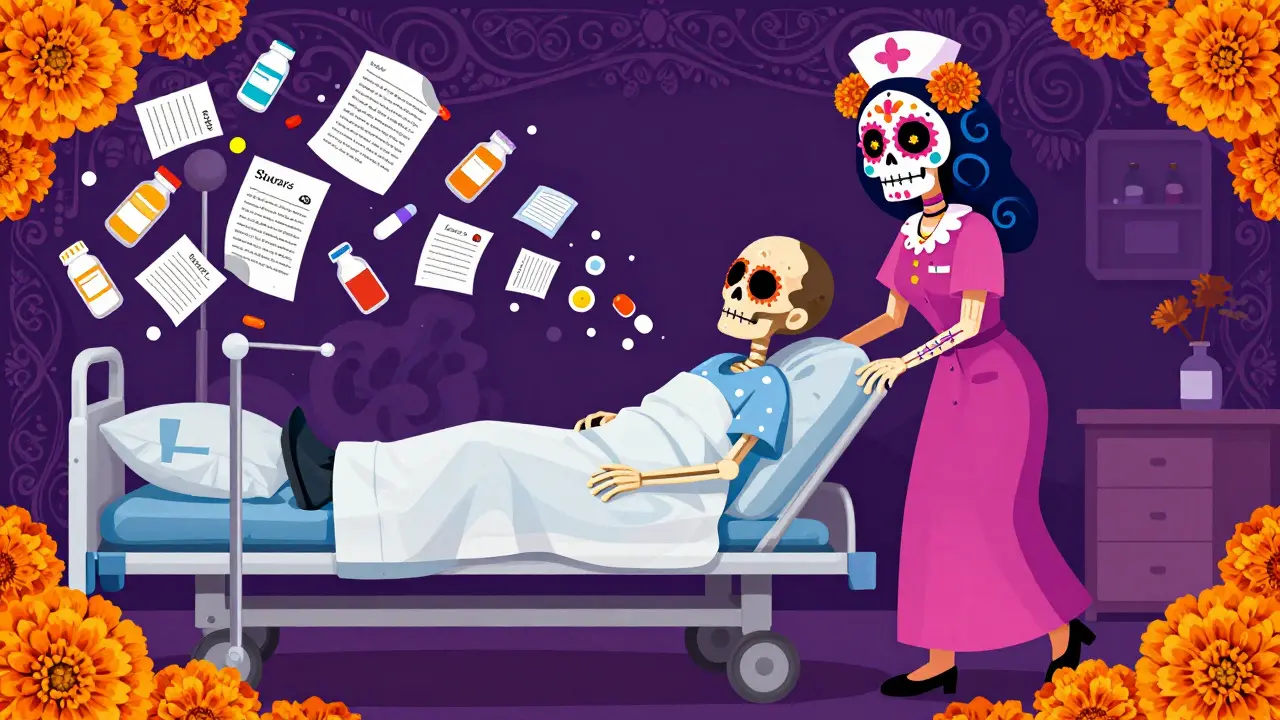
Getting a loved one home after a hospital stay should be a relief. But for many families, especially those managing senior medications, the period immediately following discharge is surprisingly dangerous. Research shows that 1 in 5 patients experience a medication error within just three weeks of leaving the hospital. These aren't just small slips; they are systemic gaps that can lead to emergency readmissions or serious adverse drug events.
The core problem is that the list of drugs a patient took before admission, the meds they were given in the ward, and the prescriptions they are sent home with rarely align perfectly. This disconnect is where errors happen. To get this transition right, you need a structured approach to medication reconciliation-a fancy term for making sure the current med list is accurate, updated, and understood by everyone involved.
| Model | Primary Strategy | Typical Outcome | Best For |
|---|---|---|---|
| Coleman Intervention | Dedicated transition coach for 30 days | 38% reduction in readmissions | High-need patients requiring long-term guidance |
| SafeMed Model | Pharmacist-led primary care team | 22.5% reduction in readmissions | Patients with multiple chronic conditions |
| Project BOOST | Standardized EMR-integrated discharge | 10-15% reduction in readmissions | General hospital population |
The Gold Standard: Medication Reconciliation
If you want to avoid errors, you have to insist on a formal medication reconciliation process. Medication Reconciliation is the process of comparing a patient's medication orders to all of the medications that the patient has been taking. It isn't just a quick glance at a list; it's a five-step safety protocol.
- Verification: Gathering the most accurate history of every drug, including over-the-counter supplements and herbals.
- Clarification: Double-checking that the doses and reasons for the meds make sense for the patient's current state.
- Reconciliation: Comparing what they took before, what they took in the hospital, and what is planned for home.
- Communication: Ensuring the final list is sent directly to the primary care doctor, not just handed to the patient.
- Education: Explaining the "why" and "how" to the patient and their caregiver.
High-performing programs using this method reach 95% accuracy in discharge lists, while standard "quick checks" often hover around 60-70%. If you're the caregiver, don't be afraid to ask the nurse, "Has a full medication reconciliation been completed for my father/mother?"
Spotting High-Risk Medications
Not all medications carry the same risk during a transition. Some drug classes are notorious for causing issues if the dose is slightly off or if they interact with new prescriptions. You should be extra vigilant if your loved one is taking:
- Anticoagulants (such as Warfarin or DOACs) which require precise dosing to prevent bleeding or clots.
- Insulin and other glucose-lowering meds that can lead to dangerous hypoglycemia if mismanaged.
- Opioids and strong sedatives, which can increase fall risks in seniors.
- Antiplatelet agents (like aspirin or clopidogrel) that affect clotting.
For those with Polypharmacy (defined as taking 5 or more medications), the risk of interaction skyrockets. In these cases, a pharmacist-led intervention is the most effective safeguard. Research suggests that pharmacist involvement can reduce medication discrepancies by up to 67%.
Practical Tools for Caregivers: The Brown Bag and Teach-Back
You don't need a medical degree to prevent errors, but you do need a system. Two of the most effective tools used by professionals that you can use at home are the "Brown Bag Review" and the "Teach-Back Method."
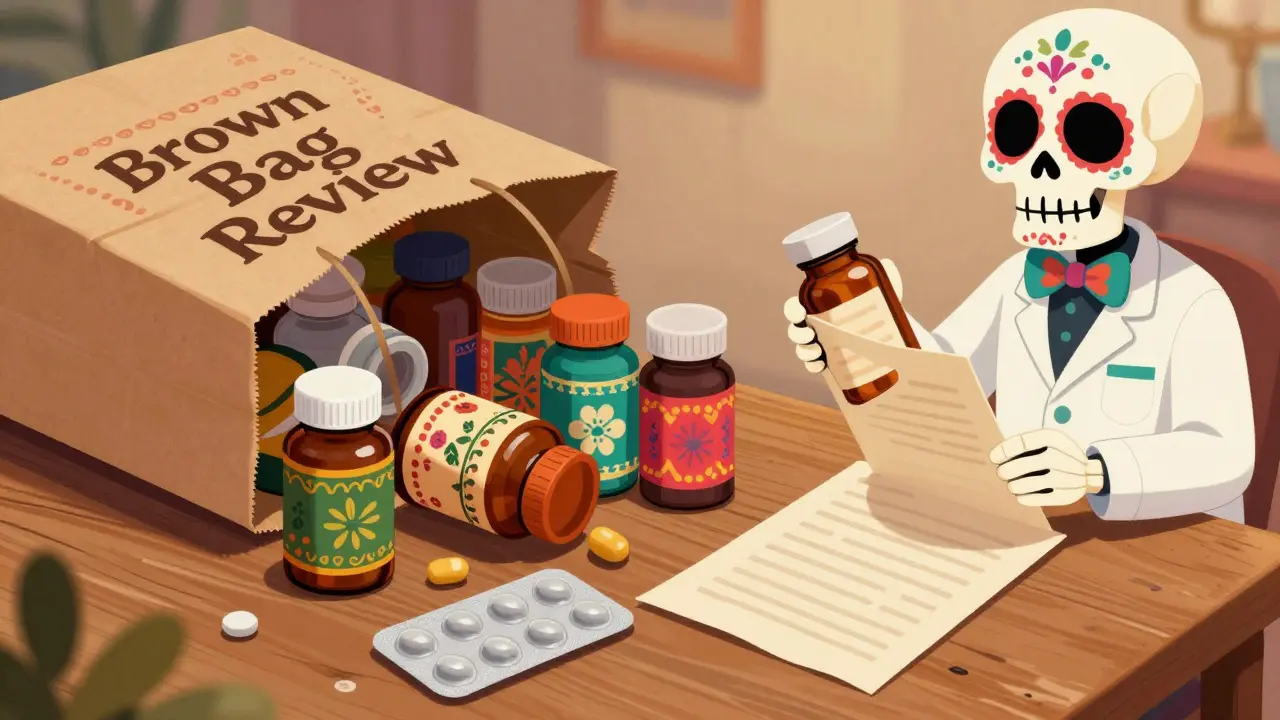
The Brown Bag Review is simple: put every single bottle, blister pack, and supplement the patient uses into a bag and bring it to the discharge appointment. Don't rely on memory or a handwritten list. When the doctor sees the actual bottles, they can spot expired meds or duplicate prescriptions that a digital list might miss.
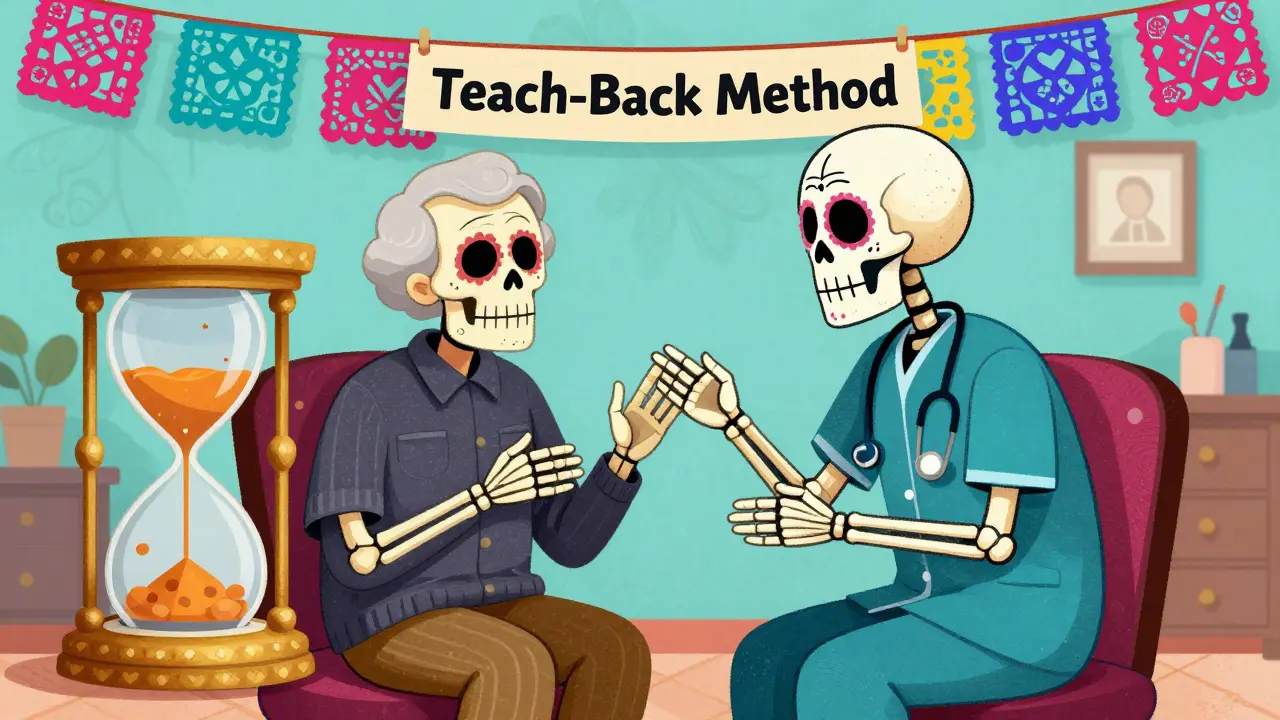
The Teach-Back Method is a way to verify understanding. Instead of asking, "Do you understand how to take this?" (to which most people just say "yes"), ask the patient or the nurse to explain it back to you. For example: "Can you show me exactly how you'll take this new blood thinner and tell me what happens if you miss a dose?" This technique has been shown to improve medication adherence by 32% because it reveals gaps in understanding before the patient leaves the building.
The First 7 Days: The Critical Window
The danger doesn't end the moment you pull out of the hospital parking lot. The first week at home is the highest-risk period. A bundled approach-meaning you combine reconciliation, education, and a quick follow-up-can cut medication errors by nearly half.
If the patient is high-risk (for example, they have heart failure or COPD), aim for a follow-up appointment with their primary doctor within 7 days. For moderate-risk patients, 14 days is the limit. During this window, keep a detailed log of blood pressure, blood glucose, or INR levels if required. If you notice a sudden change in mood, balance, or appetite, it might not be the illness-it could be a medication side effect or a dosing error.
Overcoming System Gaps
The reality is that the healthcare system is often fragmented. Many hospitals use different electronic records than your local pharmacy or GP, creating a "data silo." This is why you must act as the central hub of information.
Use the SBAR framework if you're calling a doctor to report a concern: Situation (what's happening), Background (relevant history), Assessment (what you think is wrong), and Recommendation (what you want them to do). It keeps the conversation clinical and efficient, reducing the chance of the provider dismissing a potential error.
What should I do if the discharge list differs from what the pharmacy gave me?
Stop and verify immediately. Do not administer the medication until you have contacted the discharging physician or the primary care doctor. Discrepancies are common and can be caused by outdated records or a change in treatment during the hospital stay. A pharmacist is often the fastest resource for clarifying these differences.
How do I know if my loved one is a "high-risk" patient?
Generally, patients are considered high-risk if they have four or more chronic medications (polypharmacy), suffer from renal impairment (kidney issues), have cognitive decline/dementia, or are being treated for complex conditions like heart failure or COPD. These patients require more aggressive follow-up and preferably a pharmacist-led reconciliation.
Does the hospital have to provide a medication list?
Yes, it is a standard of care. You should receive a comprehensive discharge summary that includes all medications started in the hospital, those that were continued, and those that were discontinued. If the list is vague (e.g., "continue home meds"), ask for a specific, named list with dosages and frequencies.
What is the "Teach-Back" method exactly?
It's a communication technique where the healthcare provider asks the patient to explain the instructions back in their own words. Instead of asking "Do you understand?", the provider might say, "I want to make sure I explained this clearly. Can you tell me how you're going to take this medicine tomorrow morning?"
Should I include vitamins and herbal supplements in the medication list?
Absolutely. Many supplements interact with prescription drugs. For example, St. John's Wort can reduce the effectiveness of many medications, and certain vitamins can interfere with blood thinners. Everything that goes into the patient's mouth should be part of the reconciliation process.
Next Steps for a Safe Homecoming
Depending on your situation, your priority list will look different. If you are dealing with a patient with cognitive impairment, your focus should be on pill organizers and automated dispensers to remove the burden of memory. If you are dealing with a patient on high-risk meds like Warfarin, your priority is scheduling laboratory tests within the first 72 hours of returning home.
For those feeling overwhelmed, start by requesting a consultation with the hospital's clinical pharmacist before discharge. They are the experts in drug interactions and can provide a much deeper level of scrutiny than a general discharge summary. By taking an active role in the reconciliation process, you aren't just helping your loved one-you're actively preventing a medical crisis.




There are 9 Comments
rupa das
brown bags are just messy and inconvenient
mimi clouet
Messy? Maybe! But way better than a medication error! 😜 Better a messy bag than a trip back to the ER, right? 🏥💊
Randy Ryder
The emphasis on pharmacist-led interventions is critical here. When dealing with complex polypharmacy, the pharmacokinetic profiles of multiple drugs can lead to significant adverse drug reactions if not properly audited. Integrating a clinical pharmacist into the discharge pipeline effectively mitigates the risk of iatrogenic harm by bridging the gap between acute care and outpatient maintenance.
Mary Johnson
Of course they want you to trust the "system" and their fancy lists. They probably love it when people get confused and have to go back to the hospital because it just keeps the billing cycle going and the beds full. Don't trust any list that comes from a corporate-owned hospital without double checking everything yourself because they'll sell you out for a profit in a heartbeat. It's all a game to them and our health is just a number on a spreadsheet!
Brooke Mowat
Sperti a dance of healing! 💃 we gotta be the gardians of our own vibe and health. It's all about that flow of info between the doc and the home. Just keepin it real, if we don't advocate for our elders, who will? Let's turn this scary transition into a walk in the park with some colorfull energy! 🌈✨
Princess Busaco
It is absolutely tragic that we have reached a point in our crumbling society where a basic level of competency in communication is considered a "gold standard" and that the average person is expected to act as a project manager for their own survival just because the medical establishment is too lazy to cross-reference a simple list of pills. I remember when doctors actually knew their patients by name and didn't just treat them like a series of checkboxes on a tablet, but now we're told to use "SBAR" frameworks as if we're all just middle managers in a corporate office rather than human beings in crisis. It's truly a pathetic state of affairs when the burden of safety is shifted from the professional with the degree to the exhausted daughter who hasn't slept in three days because her father is in the ICU.
Ikram Khan
Wow, the statistics about readmissions are actually shocking! 😱 We really need to push for these transition coaches. Imagine the peace of mind knowing someone is guiding you through those first 30 days! It's like having a personal cheerleader for your health! 🌟💪
Rim Linda
Omg the anxiety of checking these lists is too much!! 😭😭 I can't even imagine doing this for a parent! 💊💔
Anurag Moitra
The SBAR framework is an excellent tool for maintaining professional clarity during clinical communications. It ensures that the provider receives the necessary data points without extraneous information, thereby facilitating a more rapid and accurate clinical decision. I highly recommend its application for all caregivers
Write a comment
Your email address will not be published. Required fields are marked *