Did you know that switching to a generic drug can save you hundreds each month? In 2022 alone, generic medicines saved the U.S. healthcare system $408 billion. But not all generics are the same-some are authorized generics, and knowing how to ask the right questions can make a big difference in your out-of-pocket costs. Let’s break down what you need to know.
What Are Generics and Authorized Generics?
FDA The U.S. Food and Drug Administration, responsible for approving generic drugs and ensuring their safety and efficacy requires all generic drugs to match brand-name drugs in active ingredients, dosage, and effectiveness. They’re approved through the Abbreviated New Drug Application A regulatory process for generic drug approval that references existing brand data (ANDA) system. Authorized generics, however, are made by the original brand company itself or a partner. For example, when Pfizer sells a generic version of Lipitor under a different label, that’s an authorized generic. Both types are equally safe, but their pricing and insurance treatment can vary.
Differences Between Traditional Generics and Authorized Generics
| Aspect | Traditional Generics | Authorized Generics |
|---|---|---|
| Manufacturer | Third-party companies | Original brand company or partner |
| Typical Price Reduction | 80-90% lower than brand | 60-70% lower than brand |
| Insurance Copay Treatment | Usually lower tier | May have higher copay depending on plan |
| Rebate Structure | Subject to Pharmacy Benefit Manager (PBM) negotiations | Often not subject to same rebates |
Take insulin as a real-world example. When a brand-name insulin like Humalog goes generic, the price might drop from $350 per vial to $90 for an authorized generic. But if your insurance treats authorized generics differently than traditional generics, your copay might stay high-like $45-even though the list price is lower. Meanwhile, a traditional generic could drop to $30 with a $10 copay. It all depends on how your plan classifies them.
How to Ask Your Pharmacist and Doctor
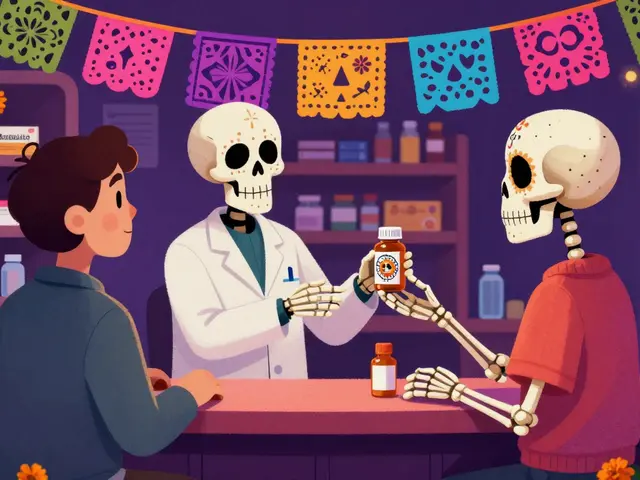
Pharmacists are your best allies for saving money. Ask them directly: "Is there a generic version of this medication?" and "Is this an authorized generic?". Many pharmacists don’t automatically mention authorized generics unless asked. A 2023 study found patients who specifically inquired about authorized generics saved 15-25% more than those who only asked about "generics" generally.
Also ask: "How does my insurance treat authorized generics versus traditional generics?" and "Can I switch to a different generic to lower my copay?". For example, if your blood pressure medication has multiple generic options, one might have a lower copay tier than others. Your pharmacist can check your insurance formulary and suggest alternatives.
When talking to your doctor, say: "Are there generic options for this prescription?" or "Can we consider a generic version to reduce costs?". Doctors often default to brand names, but they can adjust prescriptions if you raise the question.
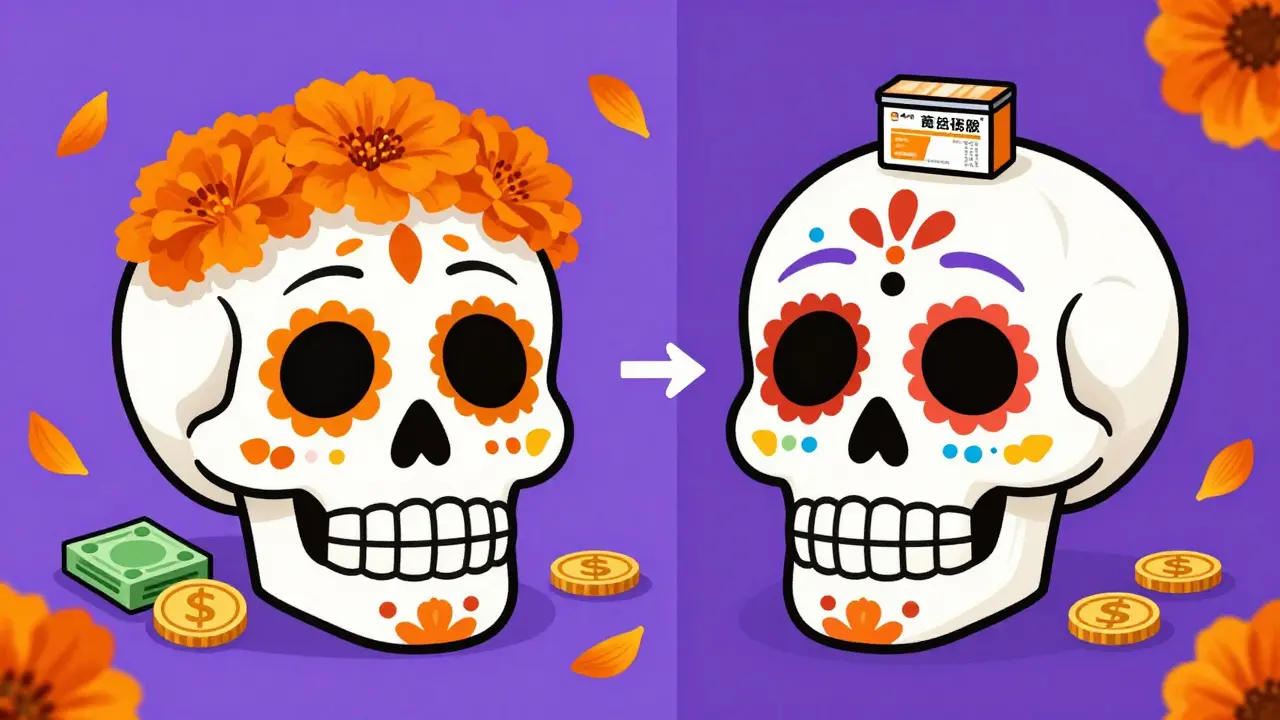
Insurance and Formulary Tiers Explained
Your insurance plan’s formulary-its list of covered drugs-determines how much you pay. Generics usually fall into lower tiers with cheaper copays. But authorized generics sometimes get lumped into higher tiers. For instance, a traditional generic for a cholesterol drug might have a $5 copay, while an authorized generic could cost $20 under your plan’s rules.
Pharmacy Benefit Managers Companies that manage drug benefits for insurers, often influencing copay structures (PBMs) control these tiers. They negotiate rebates with drugmakers, but these savings don’t always reach patients. A 2022 survey found only 43% of independent pharmacists could explain how rebates affect your out-of-pocket costs. That’s why asking about formulary tiers is crucial.
Check your plan’s formulary online or call your insurer. Ask: "What tier is this medication on my plan?" and "Are there lower-cost alternatives?". If you’re on a high-deductible plan, even small copay differences add up fast.
Practical Steps to Save Money
Use tools like GoodRx A price comparison service for prescription drugs to check cash prices across pharmacies. Sometimes paying cash for a generic is cheaper than using insurance, especially if your copay is high. For example, a $40 generic might cost $25 cash at Walmart but $35 with insurance.
Ask about manufacturer coupons or patient assistance programs. Many drugmakers offer discounts for generics or authorized generics. The Association for Accessible Medicines An industry group tracking generic drug savings and market trends reports 93% of generic prescriptions have copays under $20, but this varies by drug and plan. Always compare options before filling a prescription.
For chronic conditions like diabetes or hypertension, ask if your pharmacy offers a 90-day supply discount. This often lowers your per-month cost. A $30 monthly copay for a 30-day supply could drop to $60 for 90 days-saving you $30 over the same period.
Common Mistakes to Avoid
Many people assume all generics are identical. They’re not. A traditional generic for Adderall might cost $10, while an authorized generic could be $25 under your plan. Always verify the type before accepting a prescription.
Another mistake: not checking cash prices. A 2023 survey found 60% of patients paid more with insurance than they would have paid cash for generics. Use GoodRx or similar apps to compare before deciding.
Finally, don’t skip the "why" when your pharmacist says a drug is generic. Ask: "Is this a traditional generic or authorized?" and "How will this affect my copay?". Small details like this can save hundreds yearly.
Frequently Asked Questions
Are generic drugs as safe as brand-name drugs?
Yes. The FDA requires generics to have the same active ingredients, strength, and effectiveness as brand-name drugs. They undergo rigorous testing to ensure they work the same way in your body. The only differences are in inactive ingredients like fillers or dyes, which don’t affect safety or performance.
Why does my copay stay high even with a generic?
Insurance plans often treat authorized generics differently than traditional generics. For example, your plan might classify an authorized generic as a brand-name drug for coverage purposes, leading to higher copays. Always ask your pharmacist how your specific plan treats the generic version you’re getting.
Can I switch between generic types to save money?
Yes. If your medication has multiple generic options, ask your pharmacist which one has the lowest copay under your insurance. For instance, one generic for metformin might cost $5 with insurance, while another costs $15. Your pharmacist can check formulary details and suggest the best option.
What’s the difference between authorized generics and traditional generics?
Authorized generics are made by the original brand company and sold under a generic label. Traditional generics are made by third-party companies after the brand’s patent expires. While both are identical to the brand in active ingredients, authorized generics may not have the same insurance rebates, affecting your out-of-pocket cost.
How much can I save by switching to generics?
On average, generics cost 80-85% less than brand-name drugs. For example, a $200 brand-name medication might drop to $40 as a traditional generic. Authorized generics typically save 60-70%, but this varies by drug and insurance. Always compare prices-sometimes cash payments for generics are cheaper than insurance copays.
There are 12 Comments
Eric Knobelspiesse
Switching to generics can save hundreds monthly, but authorized vs traditional makes a difference. I had to ask my pharmasist specifically about authorized generics to lower my copay. Always check how your insurance treats them. Typo: 'pharmasist' but oh well.
Heather Burrows
Hmm, 'always ask' but most people don't know to ask. It's on them to research. Pharmacists are busy; they won't volunteer info. Lazy patients get what they deserve. Just sayin'.
Jesse Lord
Hey, pharmacists are there to help, but they need you to ask. It's not about being lazy; it's about knowing what to ask. I always say 'how does my insurance treat this generic?' and it's saved me money. Just a little effort goes a long way.
Natasha Bhala
Check cash prices. Often cheaper than insurance copay.
Gouris Patnaik
India handles generics perfectly. No confusion. All traditional generics. US system is too complicated. Should be like India. Simple and fair.
Catherine Wybourne
India's system is simpler, but every country has issues. US has more options but more complexity. Need to navigate it. It's not black and white. 😒
Mayank Dobhal
Authorized generics made by brand company. Same drug, different label. Check with pharmacist. Saves money if you know.
AMIT JINDAL
Exactly! 😊 Authorized generics are made by the original company but sold as generic. So same drug, but sometimes insurance treats them differently. Always ask! 😎
Marcus Jackson
PBMs control formulary tiers. They negotiate rebates but don't pass savings to patients. Always ask about formulary tier. Traditional generics usually cheaper.
Ashley Hutchins
PBMs are the problem. They take the money. Should be regulated. My copay was high for authorized generic because of them. Always check.
Lakisha Sarbah
Yes, PBMs are tricky. But asking your pharmacist about the tier can help. I found a cheaper generic by checking formulary. Always ask!
Savannah Edwards
Hey everyone, I just wanted to share my own experience with generics and authorized generics.
My mom has been on a medication for years, and when we first switched to a generic, we were confused why the copay didn't drop as much as expected.
Turns out it was an authorized generic, and her insurance plan treated it differently.
I spent hours on the phone with her insurance, checking formulary tiers, and found out that the traditional generic option was actually cheaper under her plan.
It's so important to ask your pharmacist and doctor about the specifics.
I remember when I first heard about authorized generics, I thought they were just another type of generic, but they're actually made by the original brand company.
That means they're identical in active ingredients, but sometimes insurance companies don't apply the same rebates.
For example, with insulin, the authorized generic might be listed at a lower price, but your copay could still be high if your plan categorizes it differently.
I learned that using tools like GoodRx can help compare cash prices, which sometimes are better than using insurance.
It's frustrating how complicated the system is, but knowing to ask the right questions can make a huge difference.
I've also found that some pharmacies offer discounts for 90-day supplies, which really helps with chronic conditions.
It's all about taking the time to understand how your specific insurance works with different generic types.
I hope this helps someone out there who's struggling with medication costs.
Just a little knowledge can save you hundreds each month.
Always double-check with your pharmacist before filling a prescription.
They're there to help you navigate this maze.
I've also heard that some manufacturers have patient assistance programs for generics, so it's worth asking about those too.
It's just really important to be proactive and informed.
Medication costs can be overwhelming, but there are ways to save if you know where to look.
Just take it one step at a time, and don't be afraid to ask questions.
You deserve to have affordable access to the meds you need.
Write a comment
Your email address will not be published. Required fields are marked *