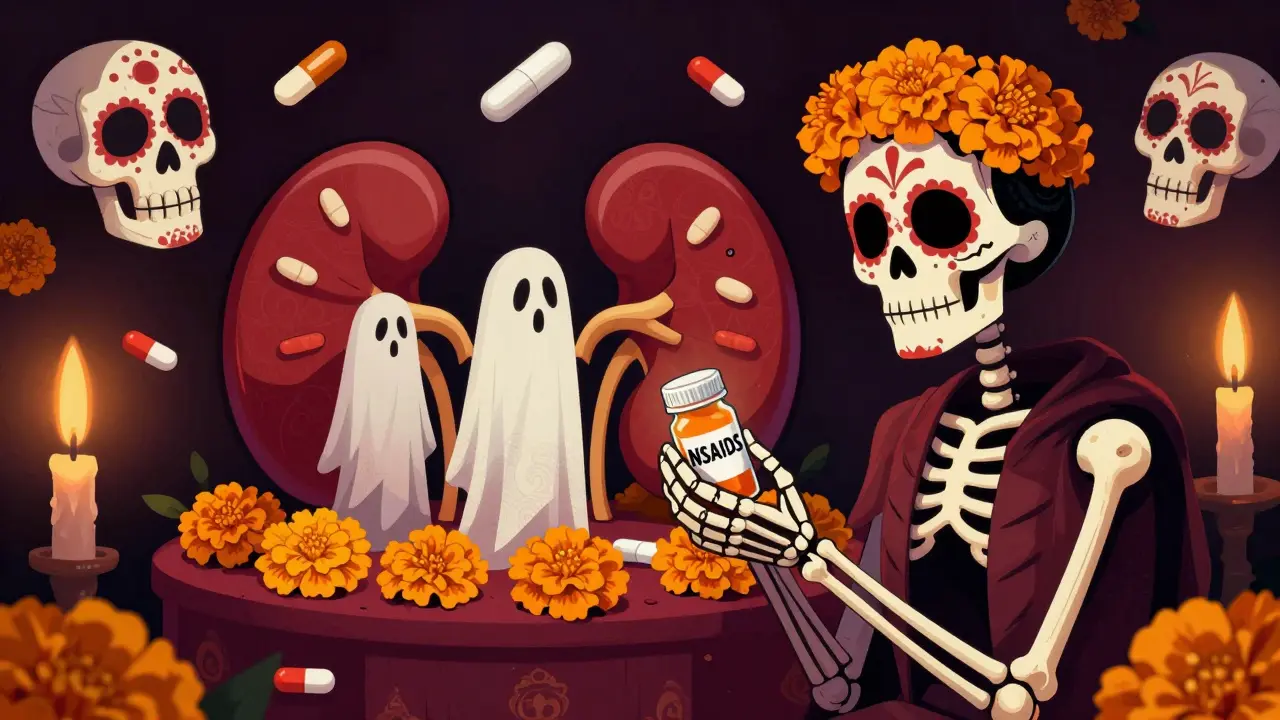
When your kidneys aren’t working well, even common medicines can turn dangerous. A simple headache pill like ibuprofen might send your creatinine levels soaring. A diabetes drug you’ve taken for years could suddenly put you at risk of lactic acidosis. This isn’t scare tactics-it’s reality for the 37 million Americans living with chronic kidney disease (CKD). Medication safety in kidney disease isn’t about avoiding drugs entirely. It’s about knowing which ones to use, how much to take, and when to stop. Get it wrong, and you risk acute kidney injury, hospitalization, or faster progression to dialysis. Get it right, and you protect your kidneys while still managing diabetes, high blood pressure, and other conditions that come with CKD.
Why Kidneys Change How Drugs Work
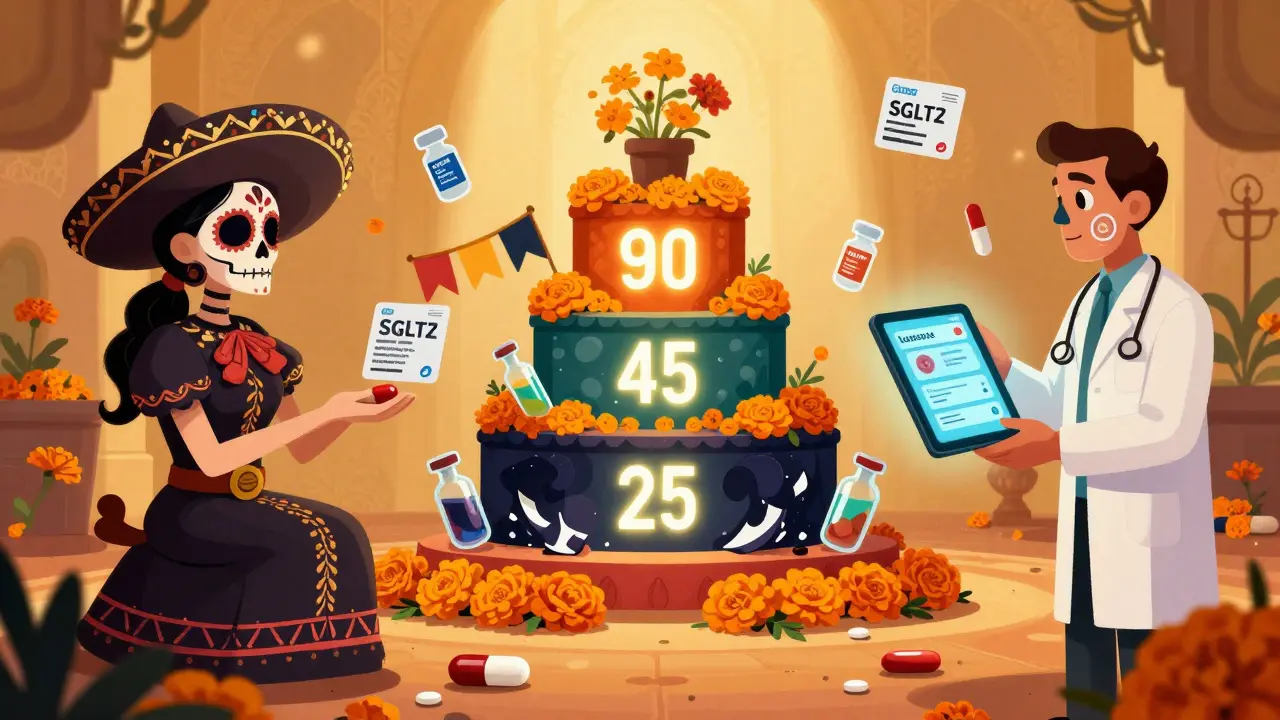
Your kidneys filter waste from your blood. That includes leftover medicine. When kidney function drops, those drugs stick around longer than they should. This builds up in your system and can cause toxicity. Some drugs are worse than others. Aminoglycosides like gentamicin, vancomycin, and certain painkillers are known nephrotoxins-meaning they directly damage kidney tissue. But the bigger problem isn’t just the obvious bad actors. It’s the everyday meds people don’t think twice about: NSAIDs, some antibiotics, contrast dyes, and even certain supplements.The key number doctors use is eGFR-estimated glomerular filtration rate. It tells you how well your kidneys are filtering. A normal eGFR is above 90 mL/min/1.73 m². Once it drops below 60, most guidelines say you need to start adjusting doses. By the time it hits 30, many drugs need to be stopped or switched entirely. But here’s the catch: eGFR isn’t static. It can drop fast during illness, dehydration, or after surgery. That’s why checking it quarterly isn’t enough if you’re sick or hospitalized.
Drugs That Need Dose Adjustments
Not all drugs are created equal when it comes to kidney clearance. Here’s what you need to watch for:
- Metformin: The go-to diabetes drug for years. But it’s dangerous if your eGFR falls below 30. Between 30 and 45, use with caution. Many doctors now switch patients to SGLT2 inhibitors instead.
- NSAIDs (ibuprofen, naproxen): These reduce blood flow to the kidneys. One or two pills can trigger acute kidney injury in someone with CKD. A Reddit user with stage 4 CKD saw his creatinine jump from 3.2 to 5.7 after taking two Advil for a headache.
- Antibiotics: Gentamicin, vancomycin, and ciprofloxacin need dose changes based on eGFR. Vancomycin trough levels should be lower in CKD-10-15 mcg/mL instead of 15-20 mcg/mL.
- Diuretics: Furosemide may need higher doses, but potassium-sparing diuretics like spironolactone can cause dangerous spikes in potassium if your kidneys can’t clear them.
- ACE inhibitors and ARBs: These are actually protective for kidneys, but many doctors still underdose them out of fear. KDIGO 2024 says: use them at maximum tolerated doses, even if creatinine rises slightly. That rise isn’t harm-it’s often a sign the drug is working.
One of the biggest mistakes? Assuming that if a drug is “safe for kidneys,” it doesn’t need adjustment. That’s not true. Even drugs labeled “no dose adjustment needed” may still require monitoring for side effects.
The Game-Changers: SGLT2 Inhibitors and Finerenone
For decades, kidney protection meant controlling blood pressure and blood sugar. Now, we have drugs that actively slow kidney decline. SGLT2 inhibitors-like dapagliflozin and empagliflozin-are revolutionary. They work regardless of kidney function. The recommended dose stays the same even when eGFR drops below 25. That’s unheard of. In the CREDENCE trial, dapagliflozin cut the risk of kidney failure, dialysis, or death from kidney disease by 39%. And they’re not just for diabetics anymore. KDIGO 2024 recommends them for all CKD patients with albuminuria, even without diabetes.
Then there’s finerenone. This newer drug is for patients who still have high urine albumin despite being on maximum ACE inhibitor or ARB therapy. It’s not a first-line drug, but if your UACR is above 30 mg/g and your potassium is under 4.8 mmol/L, it’s a powerful next step. It reduces kidney and heart risks beyond what ACE inhibitors alone can do.
These aren’t just new drugs-they’re a shift in thinking. We’re no longer just trying to slow damage. We’re actively reversing risk.
What to Avoid Completely
Some things have no safe dose in advanced CKD. These are non-negotiable:
- Sodium phosphate bowel prep: Used before colonoscopies. Can cause acute kidney injury. Switch to PEG-based prep (like MiraLAX).
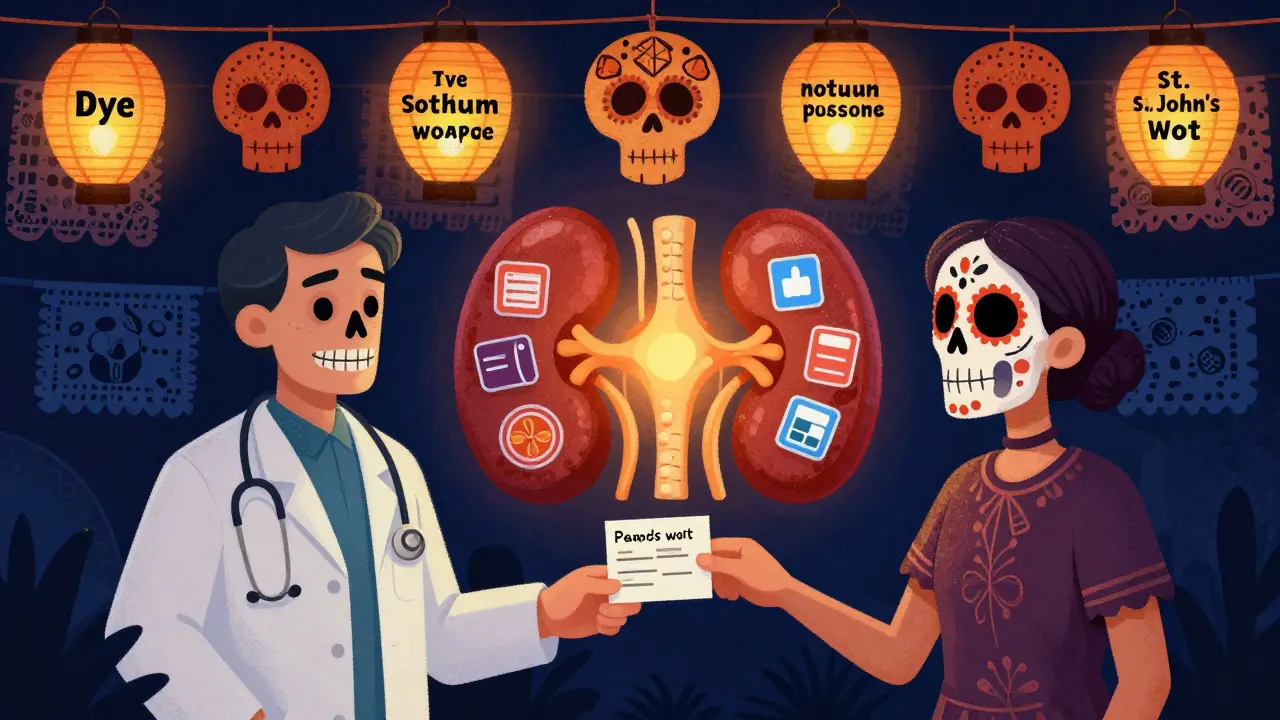
- Contrast dye for CT scans: Not always avoidable, but ask if it’s truly needed. If you must have it, hydrate well beforehand and consider a low-osmolar dye.
- Herbal supplements: Many contain aristolochic acid or heavy metals. No regulation means no safety guarantee. St. John’s Wort, licorice root, and creatine can all harm kidneys.
- Over-the-counter painkillers: Even “kidney-safe” labels on OTC meds are misleading. Acetaminophen is safer than NSAIDs, but don’t go over 3,000 mg/day.
A 2022 JAMA study found that nearly 24% of CKD patients were on at least one medication that didn’t match their kidney function. Many of these were OTC drugs or supplements they didn’t think were “real medicine.”
How to Stay Safe: Practical Steps
Knowledge isn’t enough. You need systems.
- Use one pharmacy: A 2023 NIDDK study showed a 42% drop in medication-related kidney injuries when patients used a single pharmacy. Pharmacists can flag dangerous combinations.
- Ask for a quarterly med review: Especially if you’re in CKD stages 3-5. Bring a list of everything you take-prescriptions, OTC, vitamins, herbs.
- Know your eGFR and UACR: Don’t wait for your doctor to bring it up. Ask for your numbers at every visit. Write them down.
- Use a renal dosing app: Epocrates, Medscape, and UpToDate have renal dosing calculators. 63% of U.S. nephrologists use them daily.
- Carry a CKD medication card: List your diagnosis, eGFR, and drugs you can’t take. Show it to ER doctors.
One patient, ‘CKDSurvivor’ on DaVita.com, credits her nephrologist’s quarterly checklist for catching her metformin dose when her eGFR dropped to 38. She avoided lactic acidosis. That’s the difference between routine care and intentional safety.
What Hospitals Get Wrong
Hospital stays are a major risk. About 41% of acute care hospitals don’t have protocols to adjust meds when a patient’s eGFR drops suddenly during illness. You might be on a stable dose at home, then get a kidney-damaging antibiotic in the ER because no one checked your labs.
Solutions exist. The Veterans Health Administration cut inappropriate dosing by 37% after adding eGFR alerts to their electronic health records in 2019. Other systems are catching up. But if you’re admitted, don’t assume they’ll check. Say: “I have kidney disease. Can you check my eGFR before giving me any new meds?”
The Future: What’s Coming Next
Medication safety in kidney disease is evolving fast. The FDA plans to update its guidance in 2026 to include real-world data from electronic health records. KDIGO is rolling out a standardized medication safety checklist in Q2 2026-designed for patients and providers to use together.
Pharmacogenomics is also entering the picture. Researchers are studying how genetic differences affect how people with CKD process drugs. Early trials are looking at CYP450 enzyme variants that alter drug metabolism. This could one day mean personalized dosing based on your DNA, not just your eGFR.
But for now, the best tools are simple: know your numbers, ask questions, use one pharmacy, and never assume a drug is safe just because it’s over-the-counter.
Can I still take ibuprofen if I have kidney disease?
No. Ibuprofen and other NSAIDs reduce blood flow to the kidneys and can cause sudden kidney injury, even with one or two doses. Acetaminophen (Tylenol) is safer, but don’t exceed 3,000 mg per day. Always check with your doctor before taking any pain reliever.
What’s the safest blood pressure medicine for kidney disease?
ACE inhibitors (like lisinopril) or ARBs (like losartan) are first-line. KDIGO 2024 recommends using them at the highest tolerated dose-even if your creatinine rises slightly. This isn’t harmful; it’s part of how they protect your kidneys. Avoid beta-blockers or calcium channel blockers as first choices unless you can’t tolerate ACE/ARBs.
Do I need to stop all my meds if my eGFR drops below 30?
No. Many medications can still be used safely with adjustments. Metformin must be stopped, but SGLT2 inhibitors like dapagliflozin can continue. Some antibiotics need lower doses or longer intervals. The key is individualized review-not blanket stopping. Always consult your nephrologist or pharmacist before making changes.
How often should I get my kidney function checked?
At least every 3 to 6 months if you have CKD stage 3 or higher. If you’re hospitalized, sick, dehydrated, or starting a new medication, get it checked immediately. eGFR can change fast. Don’t wait for your annual visit.
Are natural supplements safe for kidney disease?
Many are not. Supplements aren’t regulated like drugs. Products containing aristolochic acid, licorice root, creatine, or heavy metals can cause kidney damage. Even “kidney support” formulas may contain hidden nephrotoxins. Always tell your doctor about every supplement you take-and consider stopping them unless they’re medically approved.
Next Steps for Patients
Start today. Get your latest eGFR and UACR numbers. Write them down. Make a list of every medication you take-including vitamins and herbal products. Bring that list to your next appointment. Ask: “Which of these need dose changes based on my kidney function?” If your doctor doesn’t know, ask for a referral to a clinical pharmacist who specializes in kidney disease. Use a trusted app like Epocrates to check dosing. And if you’re ever in doubt about a new pill, don’t take it until you’ve confirmed it’s safe.
Medication safety in kidney disease isn’t about fear. It’s about control. You don’t have to give up treatment-you just need to be smarter about it. The tools are here. The guidelines are clear. The goal isn’t just to survive kidney disease. It’s to live well with it.

There are 12 Comments
Jacob Paterson
Angela Stanton
Johanna Baxter
Jerian Lewis
Catherine Scutt
Kiruthiga Udayakumar
Patty Walters
Phil Kemling
tali murah
Diana Stoyanova
Jenci Spradlin
Elisha Muwanga
Write a comment
Your email address will not be published. Required fields are marked *