
Tetracycline vs. Doxycycline Risk Calculator
Antibiotic Risk Assessment Tool
This tool helps parents and healthcare providers assess the risk of tooth discoloration when considering tetracycline-class antibiotics for children under 8.
Risk Assessment Results
For decades, doctors avoided giving tetracycline antibiotics to children under 8 because of a scary, permanent side effect: stained teeth. If your child took tetracycline as a baby or toddler in the 1970s, you might still see the yellow, gray, or brown streaks on their front teeth today. It was a well-known risk, taught in medical school, printed on labels, and feared by parents. But here’s the twist: doxycycline - a member of the same antibiotic family - is now considered safe for kids of any age, even infants, when used for short periods. The science has changed. The guidelines have changed. And many doctors still don’t know it.
Why Tetracycline Stains Teeth
Tetracycline doesn’t just kill bacteria. It also binds to calcium. And when that happens in a child’s developing teeth, it gets locked into the enamel and dentin as the teeth form. This isn’t surface staining like coffee or tea. It’s internal. The antibiotic forms a stable complex with calcium ions during tooth mineralization, creating a chemical bond that doesn’t wash off. The result? Teeth that start out looking fluorescent yellow and darken over time to gray, brown, or even red-brown - especially when exposed to sunlight. The most vulnerable window? From about six months old until age six for front teeth, and up to age eight for back molars. That’s when the enamel is still hardening. The older the child, the lower the risk. And it’s not just about age - it’s about dose and duration. Studies show that if a child gets more than three grams total or takes the drug for over ten days, the risk of visible staining jumps significantly. High doses - above 35 mg per kg per day - can also cause enamel hypoplasia, meaning the teeth don’t form properly, leaving them pitted or weak.The Doxycycline Revolution
Here’s where things get surprising. Doxycycline is a newer version of tetracycline, designed to be more effective and better tolerated. But the biggest difference? It doesn’t bind calcium as tightly. While tetracycline binds calcium at nearly 40%, doxycycline binds at just 19%. That small number makes a huge difference. In 2013, the FDA quietly updated doxycycline’s labeling to allow its use in children under 8 for life-threatening infections like Rocky Mountain spotted fever (RMSF). That change didn’t make headlines. But the science behind it did. A 2019 CDC study followed 162 children under 8 who got doxycycline for suspected RMSF. Their teeth were examined years later by blind dentists. No staining. No difference compared to kids who never took the drug. One study even looked at kids who got doxycycline as babies - and by age 13, their permanent teeth showed no signs of discoloration. The American Academy of Pediatrics and CDC now list doxycycline as the first-line treatment for RMSF in children of all ages. Why? Because delaying treatment can be deadly. RMSF kills 4% to 21% of patients if not treated early. Waiting to give doxycycline until a child is 8 years old? That’s not cautious - it’s dangerous.Not All Tetracyclines Are the Same
This isn’t a blanket green light for all tetracycline antibiotics. Tetracycline, oxytetracycline, minocycline - they’re still off-limits for kids under 8. Only doxycycline has the evidence to support its safety for short courses. Tigecycline, another derivative, is still contraindicated in young children because it behaves more like the older, riskier versions. A 2025 review in Frontiers in Pharmacology analyzed 162 children who received doxycycline before age 8. Only one case - a premature infant under two months - showed possible discoloration in a baby tooth. And that child had a very long course of treatment. For the rest? No staining. Not even a hint. The key is duration. Doxycycline is typically given for 7 to 14 days for RMSF. Even in severe cases, it rarely goes beyond 21 days. That’s the sweet spot: enough to kill the infection, not enough to harm teeth.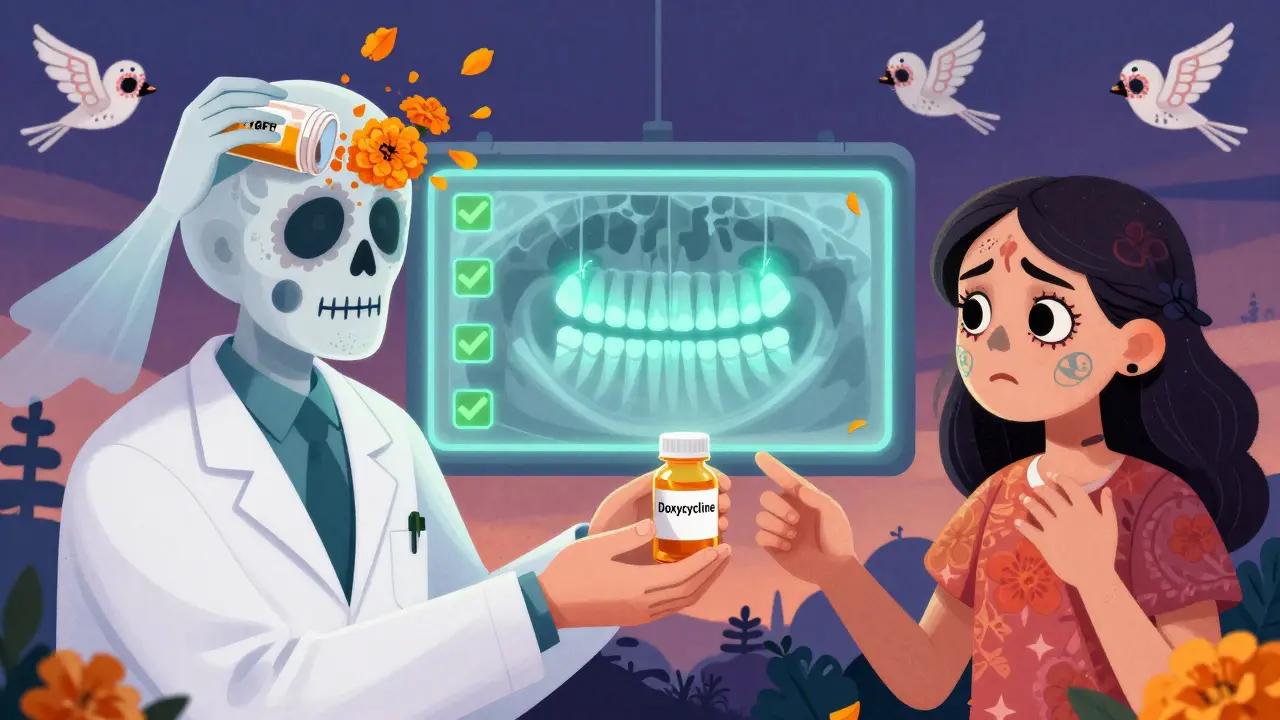
Why Are Doctors Still Hesitant?
Despite the evidence, many pediatricians and even dentists still avoid doxycycline in young kids. Why? Because the old warning is deeply ingrained. Pharmacy systems still flag doxycycline prescriptions for children under 8. Parents Google “tetracycline and teeth” and see scary photos from the 1960s. They panic. One 2018 study found that Tennessee doctors still hesitated to prescribe doxycycline to children with suspected RMSF - even though it was the only drug proven to save lives. The CDC says clearer labeling and better education could fix this. But the real barrier isn’t science. It’s habit. Doctors need to know: doxycycline is not tetracycline. You can’t apply the old rules to the new drug. And parents need to understand: a 10-day course of doxycycline won’t ruin their child’s smile. But waiting three days for a lab test to confirm RMSF? That could cost their child their life.What Should Parents Do?
If your child is prescribed doxycycline for a tick bite, fever after hiking, or suspected RMSF - don’t refuse it because of tooth staining fears. Ask your doctor: “Is this doxycycline? How long will they take it? Is it for a rickettsial infection?” If the answer is yes, yes, and yes - you’re doing the right thing. If your child has already taken doxycycline under age 8, don’t panic. The evidence says staining is extremely unlikely. If you’re worried, ask a pediatric dentist to check. They can use UV light to spot any fluorescence - a sign of tetracycline binding - but in most cases, they’ll find nothing. And if your child is under 8 and needs an antibiotic for something else - like an ear infection or strep throat - doxycycline isn’t the right choice. It’s only for specific infections like RMSF, ehrlichiosis, or Lyme disease in certain cases. Don’t ask for it. Don’t assume it’s safe for everything.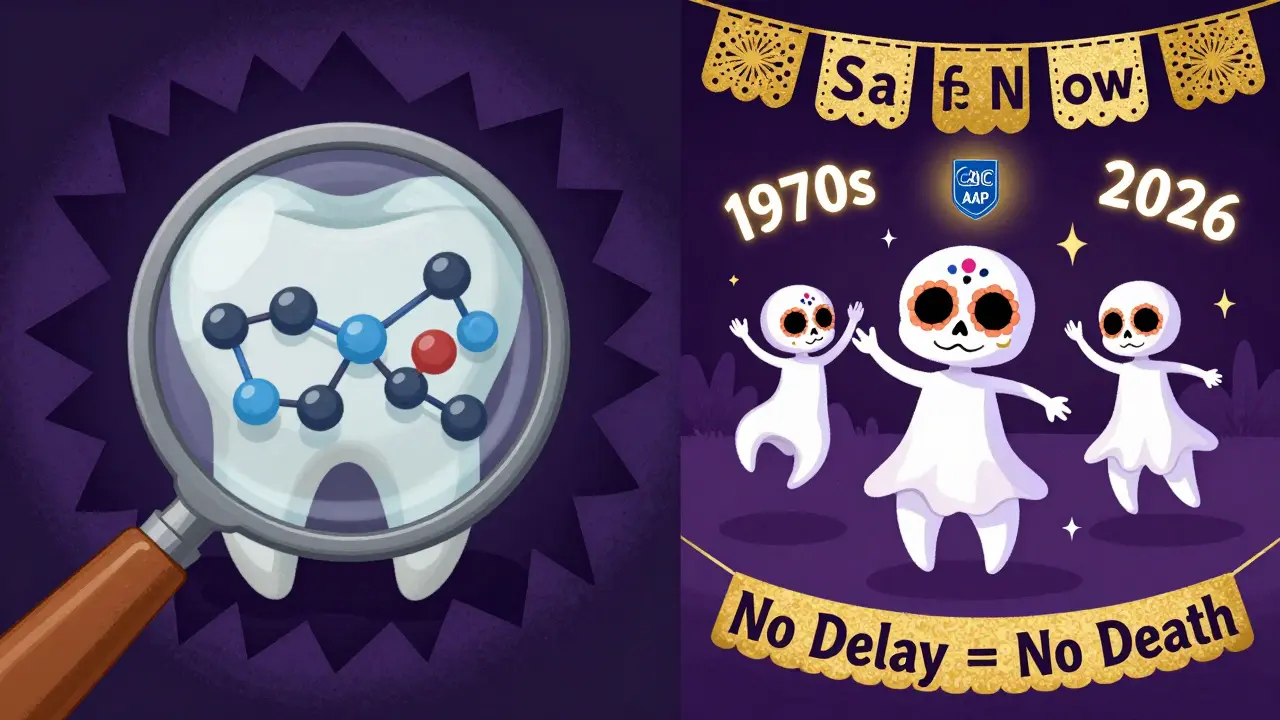
What About Pregnancy?
The same caution applies to pregnant women. Tetracycline and other older versions are still contraindicated after the fourth month of pregnancy because the baby’s teeth are forming. Doxycycline is not approved for use in pregnancy unless there’s no alternative - and even then, it’s used only for life-threatening infections like anthrax or RMSF. The risk to the fetus is still considered too high, even if the dental risk is lower.The Bottom Line
The old warning about tetracycline and stained teeth? Still true. But it doesn’t apply to doxycycline - not for short courses, not for kids, not even for babies. The science is clear. The guidelines are updated. The evidence is strong. What hasn’t changed is the danger of delaying treatment for tick-borne illnesses. A child with RMSF who doesn’t get doxycycline within 48 hours of symptoms has a much higher chance of dying. That’s not a risk worth taking. Parents: Trust the science, not the scare stories. Doctors: Update your knowledge. Your hesitation could cost a life. And if you’re ever unsure - ask a pediatric infectious disease specialist. They’ve seen the data. They know the difference between the old and the new.Can doxycycline cause tooth staining in children under 8?
No, not when used in short courses (7-21 days) for approved infections like Rocky Mountain spotted fever. Multiple studies, including a CDC-led analysis of over 160 children, found no significant tooth discoloration compared to unexposed children. The risk is negligible when compared to older tetracyclines like tetracycline or minocycline, which bind calcium more strongly and are still contraindicated.
Is tetracycline still dangerous for children’s teeth?
Yes. Tetracycline, oxytetracycline, and minocycline can cause permanent, visible tooth discoloration - yellow, gray, or brown - when given to children under 8 or during pregnancy after the fourth month. The staining occurs because these drugs bind tightly to calcium in developing teeth. This risk is well-documented and remains a strict contraindication.
What’s the difference between doxycycline and tetracycline?
Doxycycline is a semi-synthetic derivative of tetracycline with different chemical properties. It binds to calcium at only 19% of the rate that tetracycline does (39.5%), making it far less likely to stain teeth. It’s also more potent, requires fewer daily doses, and is now the preferred treatment for rickettsial diseases in children of all ages. But it’s not interchangeable with older tetracyclines.
When is it safe to give doxycycline to a child?
It’s safe for children of any age when used for specific infections like Rocky Mountain spotted fever, ehrlichiosis, or certain types of Lyme disease - and only for short courses (typically 7-14 days, up to 21 days in severe cases). The CDC and American Academy of Pediatrics now recommend it as first-line treatment for these conditions, regardless of age, because the benefit of preventing death far outweighs the negligible risk of tooth staining.
What should I do if my child already took tetracycline as a baby?
If your child took tetracycline before age 8, especially for more than 10 days or at high doses, visible tooth staining is likely. The discoloration usually appears on permanent front teeth and may darken over time. Consult a pediatric dentist. They can assess the severity and discuss cosmetic options like bleaching, veneers, or crowns if needed. But if your child took doxycycline, staining is extremely unlikely - no action is needed.
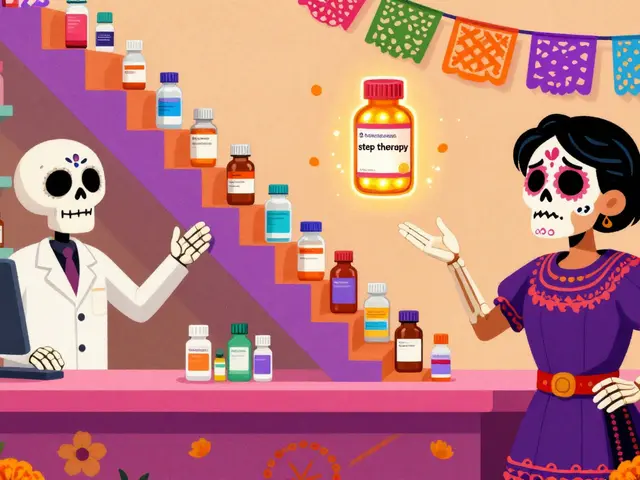
Why do some pharmacies still block doxycycline for kids under 8?
Many pharmacy systems still use outdated software that flags any tetracycline-class drug for children under 8. This is a technical lag, not a medical rule. Pharmacists should verify the specific drug (doxycycline vs. tetracycline), the indication (e.g., RMSF), and the treatment duration. If it’s doxycycline for a rickettsial infection under 21 days, it’s safe and appropriate. Clinicians may need to override the alert or provide documentation to the pharmacy.
Will doxycycline be approved for more pediatric uses in the future?
Yes. Research is already exploring doxycycline for other conditions like acne in younger teens, certain pneumonia cases, and even malaria prophylaxis. As long-term dental safety data continues to accumulate - with follow-ups now extending beyond 13 years - guidelines are expected to expand. The American Academy of Pediatrics is likely to update its Red Book again in 2025 to reflect broader pediatric uses.



There are 8 Comments
beth cordell
OMG I just read this and I’m crying 😭 My kid got doxycycline at 2 for suspected RMSF after a tick bite-everyone freaked out, even the pharmacist refused to fill it until I showed them the CDC guidelines. We did the 10-day course. Now she’s 9, and her teeth? Perfect. No stains. No nothing. Why are we still scared of the wrong thing??
Lauren Warner
This is dangerous misinformation. The FDA label says 'use with caution'-not 'safe.' One study with 162 kids doesn't override decades of clinical observation. And what about enamel hypoplasia? You’re downplaying systemic risks for a single infection. This isn't just about teeth-it's about trusting anecdotal data over pharmacokinetic principles.
TiM Vince
I'm a pediatric nurse. I’ve seen parents panic over this for years. Last month, a mom refused doxycycline for her 3-year-old with RMSF because she found a 1978 textbook scan online. The kid ended up in the ICU. We saved him, but barely. The real tragedy isn't stained teeth-it's when fear kills faster than the disease.
gary ysturiz
Let’s keep it simple. Tetracycline? Bad for kids’ teeth. Doxycycline? Safe for short use. That’s it. Don’t mix them up. If your doctor says doxycycline for a tick-borne illness, trust them. Your child’s life matters more than a myth from the 1980s. You’re not risking their smile-you’re protecting their future.
Jessica Bnouzalim
Okay, but wait-so if my kid took doxycycline at age 5 for a sinus infection (not RMSF), am I doomed?? 😬 I mean, I know it’s off-label, but… what if it was just one 5-day course?? Do I need to book a dentist appointment tomorrow?? Please tell me I’m not parenting wrong.
laura manning
It is imperative to underscore that the cited 2019 CDC study, while methodologically rigorous, remains observational in design and lacks longitudinal follow-up beyond thirteen years. Furthermore, the absence of reported discoloration does not equate to the absence of subclinical mineralization anomalies. Regulatory approval does not constitute absolute safety; it constitutes risk-benefit calculus under acute conditions. One must exercise extreme caution when extrapolating indications beyond labeled use.
Bryan Wolfe
Y’all, I’m a dad of three, and I used to be the one scared of antibiotics. But after my daughter got doxycycline for RMSF at age 4-and lived to tell about it-I became a believer. I even made a little infographic for my PTA group. The truth? We’re still scared of ghosts. Doxycycline isn’t the villain. Delaying treatment is. Let’s stop punishing kids for outdated fears. 🙌
Sumit Sharma
As an infectious disease specialist in Mumbai, I’ve treated over 40 pediatric RMSF cases in the last five years using doxycycline. None showed dental changes. The Western fixation on tooth staining is a cultural artifact. In India, we treat infants with doxycycline routinely. The mortality rate drops from 18% to 2% when given early. Science doesn't care about your 1970s textbooks. Use the right drug. Save the life.
Write a comment
Your email address will not be published. Required fields are marked *