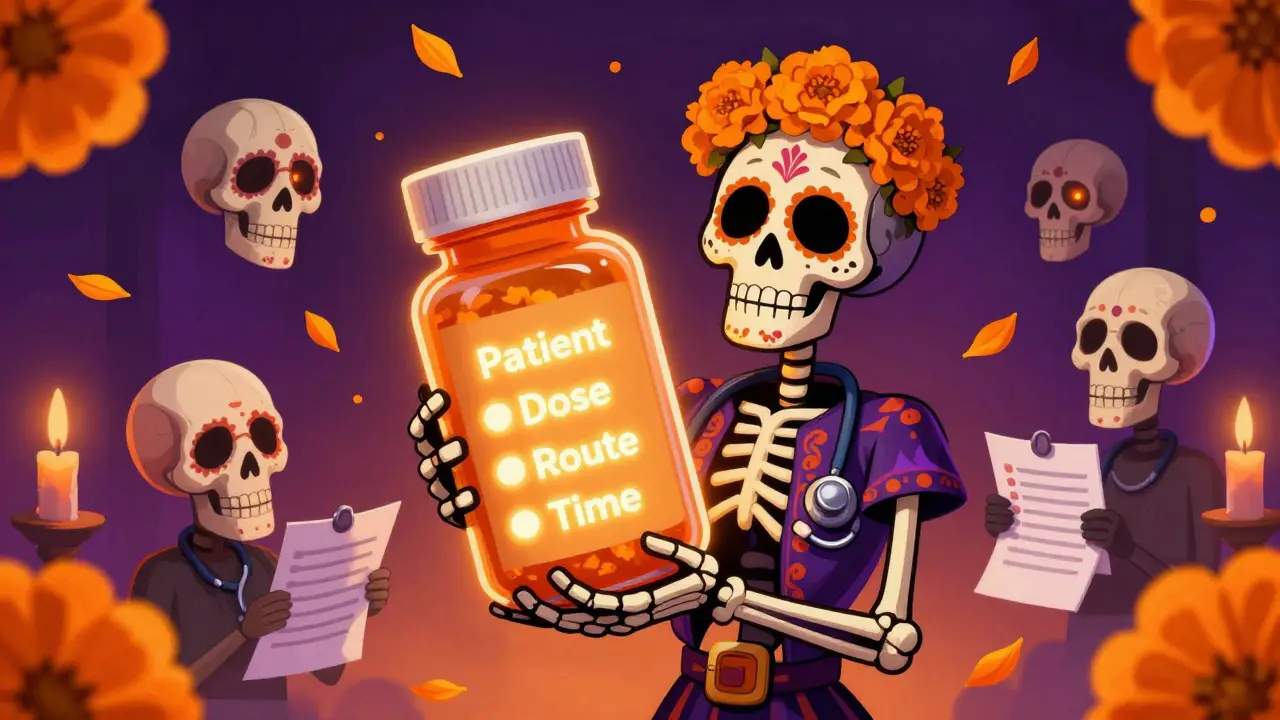
Every year, over 1.3 million people in the U.S. end up in the emergency room because of problems with their medications. Many of these cases aren’t accidents-they’re preventable. The truth is, most people don’t know how to use their prescriptions safely. It’s not about being careless; it’s about not having clear, simple guidance. Whether you’re taking one pill a day or five different medications, getting it wrong can lead to serious harm-or even death.
What Exactly Is Medication Safety?
Medication safety isn’t just about not taking the wrong pill. It’s a system of checks and balances designed to stop errors before they happen. The World Health Organization calls it Medication Without Harm, and their goal is simple: cut serious medication-related injuries in half by 2025. That’s not a far-off dream. It’s already happening in hospitals that use proven practices like electronic prescribing, barcode scanning, and pharmacist-led reviews.
But here’s the catch: most of these systems are built for hospitals. At home, you’re on your own. And that’s where things get risky. A 2023 CDC report found that 45% of adults have had at least one medication problem in the last year. The most common? Forgetting doses, mixing up timing, or accidentally taking two pills instead of one. These aren’t rare mistakes-they’re everyday ones.
The 5 Rights of Taking Medication
If you remember nothing else, remember this: the five rights of safe medication use. They’re simple, but they save lives.
- Right patient - Is this medicine really for you? Double-check your name on the bottle.
- Right drug - Does the name on the pill match what your doctor told you? Look for typos or confusing names like glimepiride vs. glyburide.
- Right dose - Is it 5 mg or 50 mg? A zero can mean the difference between healing and hospitalization.
- Right route - Is this supposed to be swallowed, injected, or applied to your skin? Swallowing a patch can be deadly.
- Right time - Taking a pill at 8 a.m. instead of 8 p.m. can ruin its effectiveness-or cause dangerous side effects.
These aren’t just hospital rules. They’re your personal safety checklist. Write them down. Stick them on your fridge. Say them out loud every time you take a pill.
What Your Doctor Won’t Always Tell You
The FDA says patients should ask eight key questions about every new prescription. Most people don’t. Here’s what you need to ask:
- What’s the brand and generic name?
- What’s this medicine supposed to do?
- How much should I take, and when?
- What does it look like? (Color, shape, markings)
- When does it expire?
- What are the most common side effects?
- What should I avoid while taking this? (Alcohol? Other meds? Food?)
- What if I miss a dose?
Don’t be shy. These aren’t dumb questions-they’re life-saving ones. A 2021 study found that patients who used the “teach-back” method-where the provider asks them to repeat instructions in their own words-had 40% better adherence. That means fewer trips to the ER, fewer hospital stays, and better health.
High-Risk Medications You Need to Watch
Not all pills are created equal. Some are more dangerous if taken wrong. These are called high-alert medications, and they’re responsible for nearly a third of all serious medication errors. They include:
- Insulin
- Warfarin (blood thinner)
- Heparin (another blood thinner)
- Intravenous oxytocin (used in labor)
With these drugs, even small mistakes can be deadly. If you’re on one of these, you need extra layers of safety:
- Keep a written log of every dose.
- Use a pill organizer with clear labels.
- Set phone alarms for each dose.
- Ask your pharmacist to review all your other meds-these drugs interact with almost everything.
And never, ever change the dose on your own. If you feel like it’s not working-or you’re having side effects-call your doctor. Don’t guess.
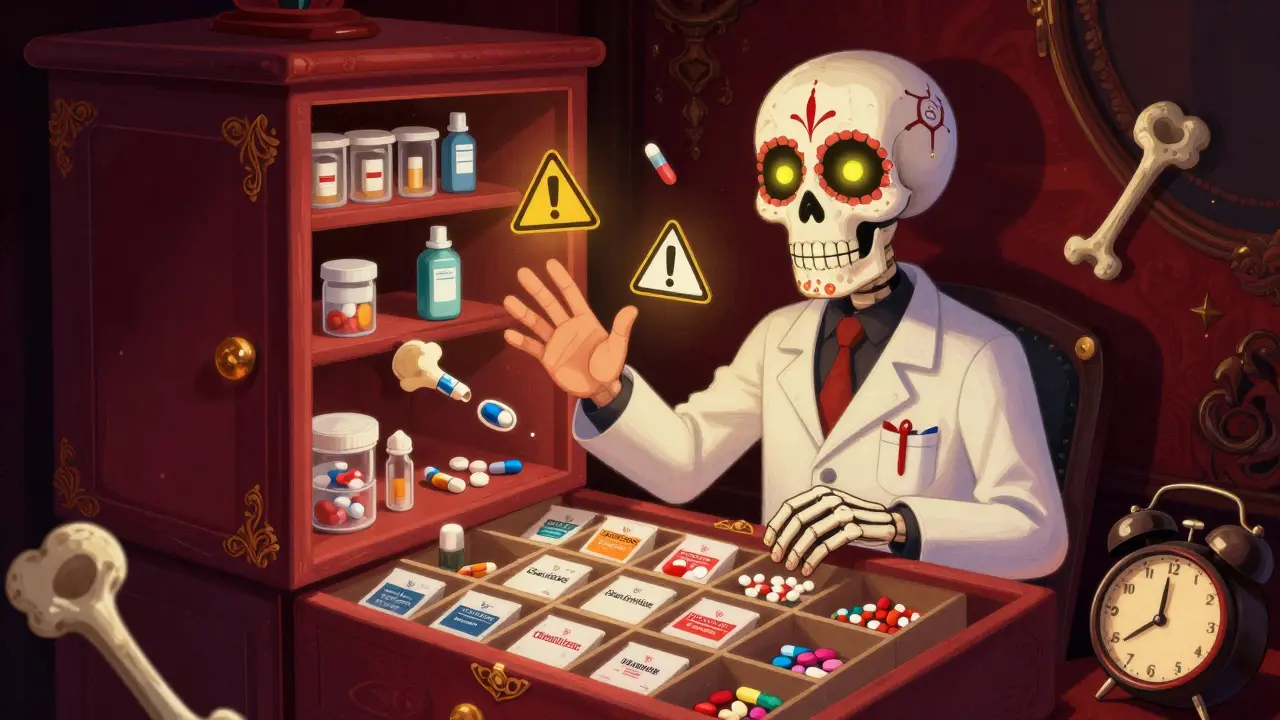
Why Your Medicine Cabinet Is a Hidden Danger
Half of all medication errors happen during care transitions. That means when you move from hospital to home, or from one doctor to another. Why? Because no one has the full picture.
Most people don’t keep an updated list of everything they take-including vitamins, supplements, and over-the-counter drugs. That’s a huge problem. A 2022 ASHP survey found that only 58% of hospitals even document what patients are taking outside of prescriptions. That means your doctor might not know you’re taking St. John’s Wort, which can cancel out antidepressants-or garlic supplements, which thin your blood like aspirin.
Here’s what to do: Keep a simple list. Write down:
- Drug name (brand and generic)
- Dose
- How often you take it
- Why you take it
- Who prescribed it
Update it after every doctor’s visit. Bring it with you. Even if you think they “already know.” They don’t.
Look-Alike, Sound-Alike Drugs: The Silent Killer
Have you ever looked at two pills and thought, “They look almost the same”? You’re not imagining it. The FDA and ISMP track over 200 pairs of drugs that are confusingly similar in name or appearance. Examples:
- PredniSONE vs. predniSOLONE
- Glimepiride vs. glyburide (both treat diabetes)
- Hydralazine vs. hydromorphone
One Reddit user shared that they took the wrong diabetes pill for three days before realizing their blood sugar was crashing. That’s not an isolated story. It’s common.
Pharmacies use something called Tall Man Lettering to help-capitalizing the different parts of similar names. But you still need to check. Always compare the pill you’re getting now with the last one. If it looks different, ask why.
What to Do When You’re on 5+ Medications
People taking five or more drugs are 3.2 times more likely to make a medication error. Why? Complexity. Confusion. Overload.
If you’re in this group, you need a system:
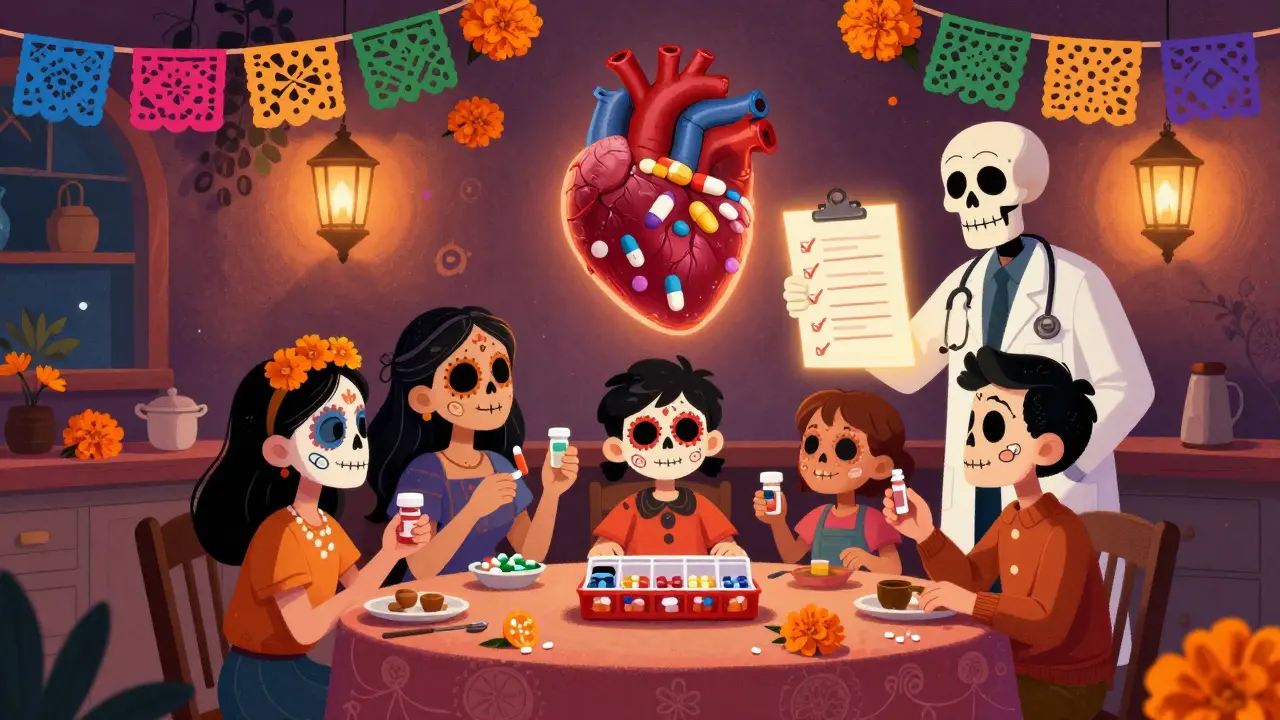
- Use a pill organizer with separate compartments for morning, afternoon, evening, and night.
- Set multiple phone alarms. One isn’t enough.
- Ask your pharmacist for a med-reconciliation review. They’ll spot duplicates, interactions, and unnecessary pills.
- Do a “medicine cabinet clean-out” every six months. Throw out expired meds. They lose potency-and can be toxic.
And here’s a pro tip: Ask your doctor if you still need all five. Sometimes, after a few months, one or two can be safely stopped. Don’t assume you’re stuck with them forever.
Pharmacists Are Your Secret Weapon
Most people think pharmacists just hand out pills. They’re wrong. Pharmacists are trained to catch errors doctors miss. They know drug interactions, side effects, and how to simplify complex regimens.
Studies show that patients who talk to their pharmacist about a new prescription have 27% fewer errors. That’s huge. Don’t just drop off your script. Ask:
- “Is this the same as the last time?”
- “Are there any changes I should know about?”
- “Can you check this against everything else I’m taking?”
Many pharmacies offer free med reviews. Use them. Every time you get a new prescription, schedule one.
What Happens When You Stop Taking a Pill Too Soon
Antibiotics are the classic example. You start feeling better after two days, so you stop. Big mistake. The CDC says 23% of antibiotic treatment failures happen because people quit early. That doesn’t just mean the infection comes back-it means the bacteria become resistant. And now, they’re harder to treat.
This applies to other meds too. Stopping blood pressure pills suddenly can cause a stroke. Quitting antidepressants without tapering can trigger severe withdrawal. Never stop a prescription without talking to your provider first.
How to Stay on Track (Even When Life Gets Busy)
Life moves fast. Kids get sick. Work gets crazy. You forget. That’s normal. But you don’t have to live with the consequences.
Here’s what actually works:
- Use a pill organizer. It’s cheap, easy, and cuts errors by 35% in older adults.
- Set phone alarms. Use different tones for different meds.
- Link taking pills to a daily habit-brushing your teeth, eating breakfast, turning off the lights.
- Ask a family member to check in once a week.
- Download the CDC’s free Medication Safety Checklist app (launched Jan 2024). It lets you scan pills, set reminders, and share your list with your doctor.
It takes 3 to 5 visits to a doctor or pharmacist to build a solid routine. For older adults, it can take over seven. Be patient. Keep trying.
Final Thought: You’re Not Just a Patient. You’re a Partner.
Medication safety isn’t just about doctors, pharmacies, and hospitals. It’s about you. You’re the one who takes the pill. You’re the one who notices if something feels off. You’re the last line of defense.
Don’t wait for someone else to protect you. Ask questions. Write things down. Check your pills. Talk to your pharmacist. Use the app. Keep your list updated. Say no to taking meds you don’t understand.
One pill, taken wrong, can change your life. One pill, taken right, can save it.



There are 12 Comments
John Smith
Sharon Lammas
Donna Zurick
Tobias Mösl
tatiana verdesoto
RacRac Rachel
Mike Dubes
Justin Rodriguez
Raman Kapri
Megan Nayak
Tildi Fletes
Siri Elena
Write a comment
Your email address will not be published. Required fields are marked *