NTI Drugs: What They Are, Why They Matter, and How to Use Them Safely
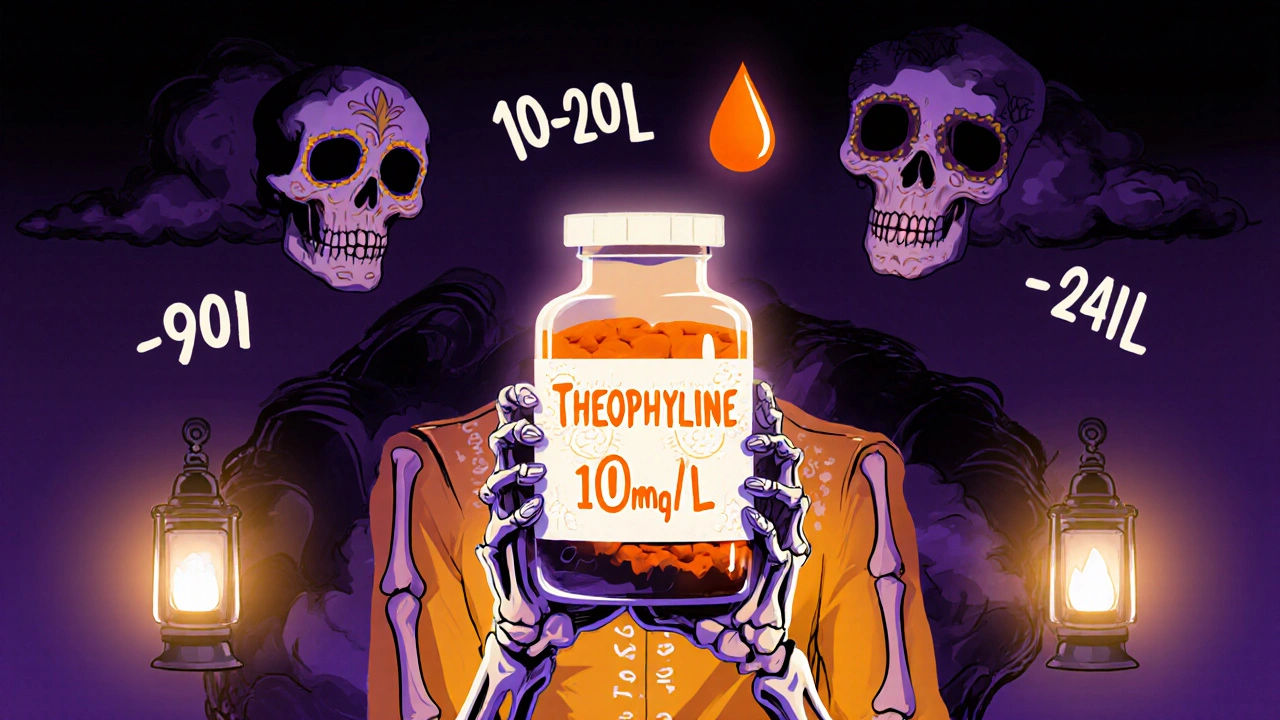
When you take a medication, you expect it to help—not hurt. But some drugs operate on a razor’s edge. These are called NTI drugs, medications with a narrow therapeutic index, meaning the difference between a helpful dose and a dangerous one is very small. Also known as narrow therapeutic index drugs, they require careful dosing and close monitoring because even small changes can lead to serious side effects or treatment failure. You might not realize it, but common prescriptions like warfarin, lithium, digoxin, and phenytoin all fall into this category. They’re not rare—they’re used daily for conditions like blood clots, bipolar disorder, heart failure, and seizures. But their power comes with risk.
Why does this matter? Because if your dose is just a little too high, you could end up in the hospital. Too low, and your condition might flare up. For example, warfarin, used to prevent strokes, needs regular blood tests to make sure you’re in the safe zone. Too much, and you risk internal bleeding. Too little, and a clot could form. Lithium, used for mood stabilization, can cause tremors, confusion, or kidney damage if levels creep up. These aren’t hypothetical risks—they’re documented in clinical practice. And the problem gets worse when people mix NTI drugs with other meds, supplements, or even foods like grapefruit. A single change in your routine can throw off the balance.
What you’ll find in the articles below isn’t just a list of drugs. It’s a practical guide to avoiding harm. You’ll see how adverse drug events, harmful reactions caused by medications, often stem from dosing errors in NTI drugs and how pill splitting, cutting tablets to save money, can be dangerous with drugs that have a narrow therapeutic window. You’ll learn why medication interactions, when two or more drugs affect each other’s levels in the body are especially risky with NTI drugs, and how tools like therapeutic drug monitoring help keep things under control. These aren’t abstract concepts—they’re real-life scenarios that affect people taking these meds every day.
If you’re on one of these drugs—or care for someone who is—this collection gives you the facts you need to ask better questions, spot warning signs, and work with your provider to stay safe. No fluff. No guesswork. Just what matters: knowing when to worry, when to test, and when to speak up.