Most of us treat our medicine cabinets like a junk drawer for health. We toss leftover antibiotics in the bathroom, keep insulin in the kitchen fridge next to the milk, and leave painkillers on the nightstand for easy access. It’s convenient, sure. But it’s also dangerous. Every year, tens of thousands of children end up in emergency rooms because they found a pill that looked like candy. Adults aren’t immune either-accidental overdoses often happen when medications are left out in plain sight.
Storing your medications correctly isn’t just about keeping them from going bad; it’s about preventing poisoning, theft, and misuse. Whether you have toddlers crawling around or elderly relatives visiting, knowing where to store your medications at home safely is a critical skill. Let’s break down exactly where things should go, where they shouldn’t, and how to handle the tricky stuff like temperature-sensitive drugs.
The Bathroom Cabinet Trap
If you’re like most people, your first instinct is to put pills in the bathroom. It makes sense-you’re likely taking medicine after brushing your teeth or showering. But here’s the problem: bathrooms are terrible places for chemistry. The heat and humidity from showers create a swamp-like environment that degrades many common medications. Research shows that humidity levels can exceed 80% during a hot shower, which can ruin up to 67% of common meds within just 30 days.
Think about what happens to paper towels or magazines in a steamy bathroom-they get warped and soggy. Your pills suffer the same fate. Moisture breaks down the chemical structure of tablets and capsules, making them less effective or even harmful. If you must keep a few essentials nearby, use a small, sealed plastic container with a desiccant packet (those little silica gel sachets) to absorb moisture. But for long-term storage? Move them out of the bathroom entirely.
The Gold Standard: Locked and High
Safety experts agree on one thing: if you have children under five, unlocked cabinets are not enough. Child-resistant caps are helpful, but studies show that by age five, half of all children can open them. That’s why locked storage is the gold standard. You don’t need an expensive vault. A simple lockable box or a dedicated medicine safe works perfectly. These devices cost anywhere from $20 to $150 and provide peace of mind that goes beyond a twist-lock cap.
Where should this locked box live? High up and out of sight. A high shelf in a bedroom closet or a top drawer in a dresser is ideal. Remember, kids are surprisingly agile. Data shows that children as young as two years old can climb furniture to reach shelves that are 48 inches high. So, "high" means above their reach and ideally behind a door. Avoid storing meds in purses, coat pockets, or on countertops. In fact, nearly half of pediatric poisonings involving grandparents’ homes happen because medications were left accessible in bags or on tables.
Temperature Matters: Room Temp vs. Fridge
Not all medicines are created equal. Most prescription and over-the-counter drugs should be stored at room temperature, specifically between 68°F and 77°F (20°C-25°C). This is typically a cool, dry place away from direct sunlight. However, some medications are sensitive to heat and require refrigeration. Insulin is the most common example, needing to be kept between 36°F and 46°F (2°C-8°C).
If you have refrigerated meds, there’s a rule you must follow: never store them in the door of the fridge. The door is the warmest part of the refrigerator and experiences the most temperature fluctuation every time you open it. Instead, place them on a middle shelf, away from raw meat and strong-smelling foods. Also, ensure they are clearly labeled and separated from food items to prevent accidental ingestion by family members who might mistake a vial for a drink.
What About the Kitchen?
The kitchen is another popular spot for medicine storage, but it comes with its own risks. First, there’s the confusion factor. Pills stored near spices, baking soda, or supplements can easily be mistaken for food ingredients. Second, kitchens often experience significant temperature swings due to ovens, dishwashers, and stoves. If you choose to store meds in the kitchen, pick a cupboard that is far from these heat sources. And again, lock it. A locked pantry shelf is a great option if you have curious kids or pets roaming around.
Disposal: When Storage Isn’t Enough
Safe storage also includes knowing when to throw things away. Hoarding expired medications is a bad habit. Expired drugs lose potency and can sometimes become toxic. But you shouldn’t just flush them down the toilet or pour them down the sink unless the label explicitly says to do so. Flushing contributes to water contamination, which affects our entire ecosystem.
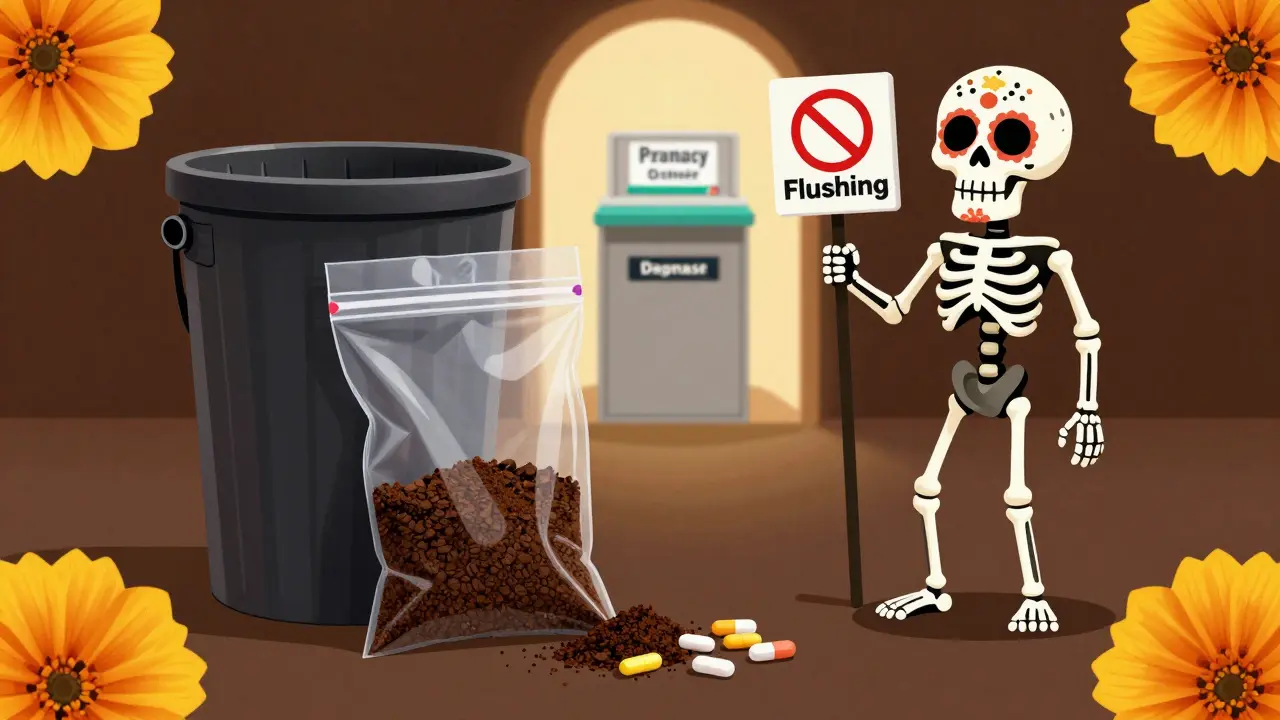
The best way to dispose of most medications is through a take-back program. Many pharmacies and police stations host drop-off bins for unused drugs. If you don’t have access to one, you can mix the pills with an unappealing substance like used coffee grounds, cat litter, or dirt in a sealed plastic bag before throwing them in the trash. This makes them less attractive to kids or pets who might dig through the garbage. Always scratch out personal information on the prescription labels before discarding the containers.
| Location | Verdict | Why? |
|---|---|---|
| Bathroom Cabinet | Avoid | High humidity and heat degrade medication effectiveness. |
| Kitchen Counter | Avoid | Accessible to children; risk of confusion with food/spices. |
| Locked Bedroom Closet | Recommended | Cool, dry, and secure from children and pets. |
| Car Glove Box | Avoid | Extreme temperatures can destroy meds; easy target for theft. |
| Refrigerator Middle Shelf | For Specific Meds Only | Stable cold temperature for insulin and certain liquids. |
Special Considerations for Elderly Care
If you’re caring for an older adult, especially someone with dementia or memory issues, the rules change slightly. Safety still comes first, but accessibility matters too. You don’t want to lock away essential heart medication so securely that the person can’t get it when needed. In these cases, consult with a healthcare provider. They might recommend a daily pill organizer that is locked but has a simple release mechanism, or they may suggest supervising medication times closely. The goal is to balance security with the ability to maintain independence.
Traveling with Medications
When you’re on the go, the stakes get higher. Never leave medications in a parked car. Cars can turn into ovens in summer and freezers in winter, ruining your supply. Keep travel meds with you in a carry-on bag, not checked luggage. Use a portable, hard-sided case to protect them from crushing. If you’re staying at a hotel, ask for a room key lockbox or use the mini-fridge if you have temperature-sensitive drugs. Just remember to take everything with you when you check out-nothing is worse than realizing you left your life-saving inhaler in the hotel bathroom.
Is it safe to store medications in the bathroom?
Generally, no. The heat and humidity from showers can degrade many medications, reducing their effectiveness. It's better to store them in a cool, dry place like a bedroom closet.
How do I know if my medication needs refrigeration?
Check the label or the patient information leaflet. If it says "refrigerate," keep it between 36°F and 46°F (2°C-8°C). Common examples include insulin and certain liquid antibiotics. When in doubt, ask your pharmacist.
Can I just rely on child-resistant caps?
No. Studies show that by age five, many children can open child-resistant caps. For true safety, especially with opioids or potent painkillers, use a locked container.
Where should I store insulin?
Unopened insulin should be stored in the refrigerator on a middle shelf, not in the door. Once opened, it can often be kept at room temperature for a specific period (usually 28 days), but check the manufacturer's instructions.
How should I dispose of expired medications?
The best option is a drug take-back program at a pharmacy or police station. If unavailable, mix pills with coffee grounds or cat litter in a sealed bag and throw them in the trash. Do not flush unless instructed.