Medication Flushing Relief Planner
Step 1: Identify Your Trigger
Mechanism:
Step 2: Personalized Relief Plan
Select a medication above to see specific advice on how to manage your flushing episodes.
Disclaimer: This tool provides general information based on common pharmacological responses. Always consult your healthcare provider before changing medication schedules or adding new supplements/drugs.
Waking up to a face that feels like it’s on fire, or turning bright red in the middle of a meeting because of your morning pills? It’s not just embarrassment. For many patients, facial flushing is one of the most annoying and socially isolating side effects of common medications. It can make you feel hot, uncomfortable, and self-conscious, leading some people to stop taking essential drugs altogether. But here’s the good news: it’s usually manageable.
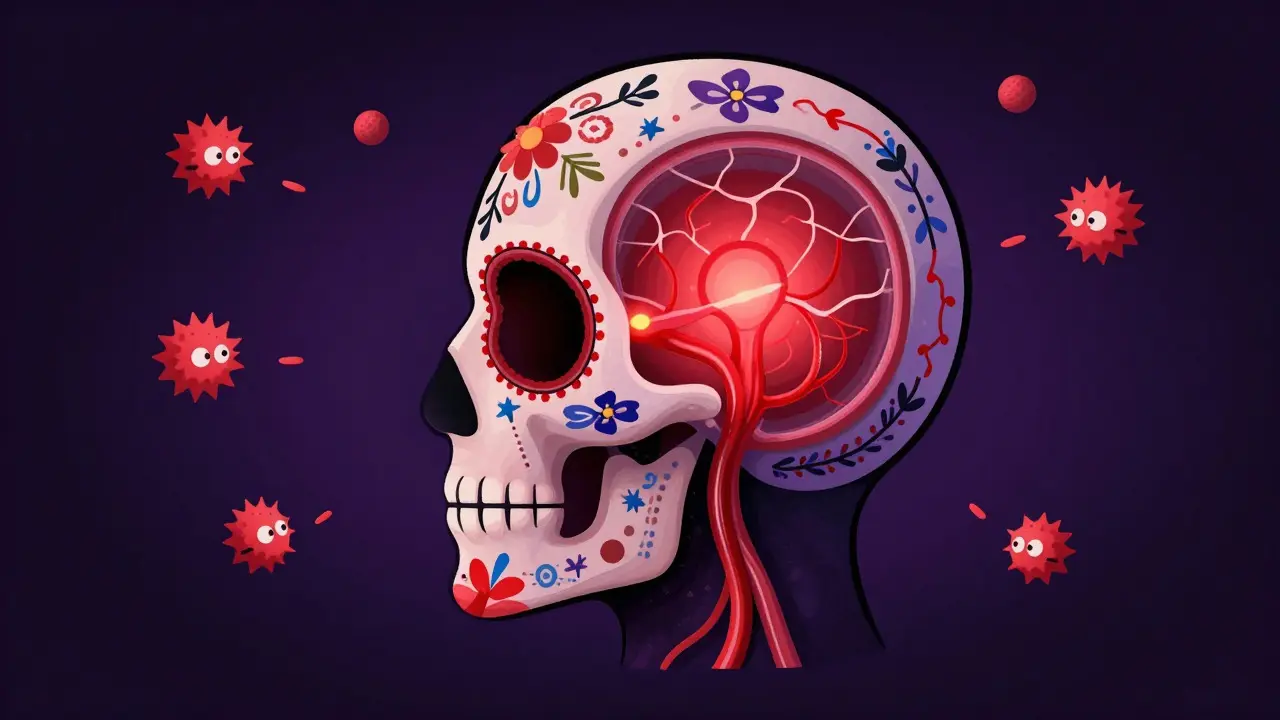
Medication-induced flushing happens when a drug causes your blood vessels to widen (vasodilation) or triggers the release of chemicals like histamine or prostaglandins. This sudden increase in blood flow to the face, neck, and upper chest creates that characteristic redness and warmth. While it can be distressing, understanding *why* it’s happening is the first step to stopping it. Whether you’re on blood pressure meds, cholesterol treatments, or painkillers, there are specific ways to reduce the intensity and frequency of these episodes.
Why Do Certain Pills Make You Red?
Not all flushing is created equal. The mechanism behind the redness depends entirely on which part of your body the medication is targeting. Understanding this helps you know what to expect and how to react.
- Vasodilation: Many heart and blood pressure medications work by relaxing smooth muscle in your blood vessels. When these vessels open up, more blood rushes to the surface of your skin. This is a predictable effect, not an allergy.
- Histamine Release: Some drugs, particularly opioids, cause mast cells to release histamine. This leads to itching along with redness, mimicking an allergic reaction but often being a direct pharmacological result.
- Prostaglandin Imbalance: Cholesterol medications like niacin trigger the production of prostaglandins, which signal blood vessels to dilate. This is why the "niacin flush" is so intense and widespread.
- Infusion Rate Issues: IV antibiotics like vancomycin can cause "Red Man Syndrome" if given too quickly. Slowing down the drip rate often prevents the rash and low blood pressure associated with it.
Knowing the mechanism matters because it dictates the relief strategy. If it’s simple vasodilation, cooling down might help. If it’s histamine-driven, an antihistamine could be the answer.
The Usual Suspects: Which Medications Trigger Flushing?
If you’ve recently started a new prescription and noticed your cheeks turning pink, check if you’re taking any of these common offenders. They are well-documented triggers across various medical fields.
| Medication Class | Specific Examples | Primary Mechanism |
|---|---|---|
| Calcium Channel Blockers | Amlodipine, Nifedipine, Diltiazem | Blood vessel relaxation for hypertension/angina |
| Niacin (Vitamin B3) | Nicotinic Acid | Prostaglandin release |
| Opioids | Morphine, Oxycodone | Histamine release from mast cells |
| Antibiotics | Vancomycin, Rifampin | Infusion rate sensitivity / Direct vascular effect |
| Cancer/Hormonal Therapies | Tamoxifen, Goserelin, Leuprorelin | Hormonal shifts affecting vascular tone |
| Vasodilators | Sildenafil, Nitroglycerin | Direct widening of blood vessels |
It’s worth noting that dosage and individual genetics play a huge role. Two people taking the same dose of amlodipine might have vastly different reactions based on their metabolic profiles. If you suspect your medication is the culprit, don’t stop taking it cold turkey-talk to your doctor about adjusting the dose or switching to a different formulation.
Immediate Relief: What To Do When You Feel It Coming On
When the heat hits, you need quick, practical steps to cool down without making the situation worse. Here is a go-to checklist for managing acute episodes at home or in public.
- Apply Cool Compresses: A damp, cool cloth on your forehead or neck can help constrict the superficial blood vessels temporarily. Avoid ice-cold water directly on the skin, as extreme temperature shocks can sometimes rebound and worsen the sensation.
- Stay Hydrated: Dehydration concentrates blood volume and can intensify the feeling of heat. Sip cold water slowly.
- Remove Layers: If you’re wearing a scarf or high collar, take it off immediately. Trapping heat against your face will prolong the episode.
- Practice Deep Breathing: Anxiety often accompanies flushing, creating a feedback loop where stress releases more adrenaline, widening vessels further. Slow, deep breaths activate the parasympathetic nervous system, helping to calm the vascular response.
- Check for Triggers: Did you just eat spicy food, drink alcohol, or walk into a hot room? Removing the external trigger alongside the medication effect can speed up recovery.
While these steps provide temporary relief, they don’t address the root cause. For chronic sufferers, long-term management strategies are necessary.
Long-Term Management and Medical Interventions
If flushing is frequent enough to disrupt your daily life, over-the-counter fixes might not be enough. There are several medical approaches your healthcare provider might consider, depending on the severity and underlying cause.
Pharmacological Adjustments
Often, the best treatment is simply changing the medication. Your doctor might switch you to a different drug within the same class that has fewer side effects, or adjust the timing of your dose. For example, taking niacin before bed can allow the flush to pass while you sleep. In cases of opioid-induced flushing, adding an H1 or H2 antihistamine can block the histamine receptors and reduce both redness and itching.
Off-Label Medications
There is no single FDA-approved drug specifically for medication-induced flushing, but doctors often use others off-label. Beta-blockers like nadolol can help if anxiety plays a significant role in your episodes. Clonidine, typically used for blood pressure, can also reduce uncontrollable blushing by altering how your body responds to noradrenaline. For severe, refractory cases, somatostatin analogs like octreotide may be prescribed to reduce the secretion of vasoactive mediators.
Procedural Options
For those who haven’t found relief through medication, procedural interventions offer longer-term solutions.
- Laser Therapy: Vascular lasers target the small surface blood vessels contributing to the red appearance. While not a cure for the medication itself, it reduces the visible baseline redness. Side effects like mild swelling or bruising are usually temporary.
- Botox Injections: Botulinum toxin can be injected into facial areas to paralyze the nerves responsible for triggering the flush. The effects last up to six months, providing a significant window of relief for severe cases.

Lifestyle Tweaks That Actually Work
You can significantly reduce the frequency and intensity of flushing episodes by tweaking your environment and habits. These non-pharmacological strategies form the foundation of effective management.
- Avoid Thermal Extremes: Both extreme heat and sudden cold can trigger vascular responses. Dress in layers so you can adjust to room temperatures easily.
- Watch Your Diet: Spicy foods, hot beverages, and alcohol are major triggers. Monosodium glutamate (MSG), commonly found in processed and Asian-inspired foods, can also exacerbate flushing in susceptible individuals.
- Manage Stress: Since stress hormones widen blood vessels, incorporating mindfulness, biofeedback, or counseling can help break the anxiety-flushing cycle.
- Sun Protection: Bright sunlight increases skin temperature and blood flow. Wear wide-brimmed hats and use broad-spectrum sunscreen when outdoors.
It’s also crucial to monitor for other symptoms. If your flushing is accompanied by shortness of breath, fainting, or hives, seek medical attention promptly, as this could indicate a more serious reaction rather than a simple side effect.
Frequently Asked Questions
Is facial flushing from medication dangerous?
In most cases, medication-induced flushing is harmless, though uncomfortable. It is a physiological response to vasodilation or histamine release. However, if it is accompanied by difficulty breathing, swelling of the lips or tongue, or dizziness, it could signal an allergic reaction requiring immediate medical care.
How long does medication-induced flushing last?
The duration varies by medication. For many vasodilators, the flush subsides within 30 minutes to two hours after peak blood levels. Niacin-induced flushing can last up to an hour. With chronic use, some patients experience persistent baseline redness, which may require laser therapy or medication adjustment to resolve.
Can I stop my medication if it makes me flush?
Generally, no. Stopping essential medications like blood pressure or cancer drugs abruptly can be risky. Instead, talk to your doctor. They can often adjust the dose, change the time of day you take it, or switch to an alternative drug with a lower risk of flushing.
Does aspirin help with niacin flush?
Yes, taking aspirin or indomethacin 30 minutes before niacin can reduce the intensity of the flush by blocking prostaglandin synthesis. However, studies show it only reduces the flush by about 30 percent, so it helps but doesn’t eliminate the sensation entirely.
What is the difference between flushing and rosacea?
Rosacea is a chronic skin condition characterized by persistent redness, bumps, and visible blood vessels, often triggered by lifestyle factors. Medication-induced flushing is a temporary reaction to a specific drug. While they look similar, treating the medication trigger often resolves the flushing, whereas rosacea requires ongoing dermatological management.