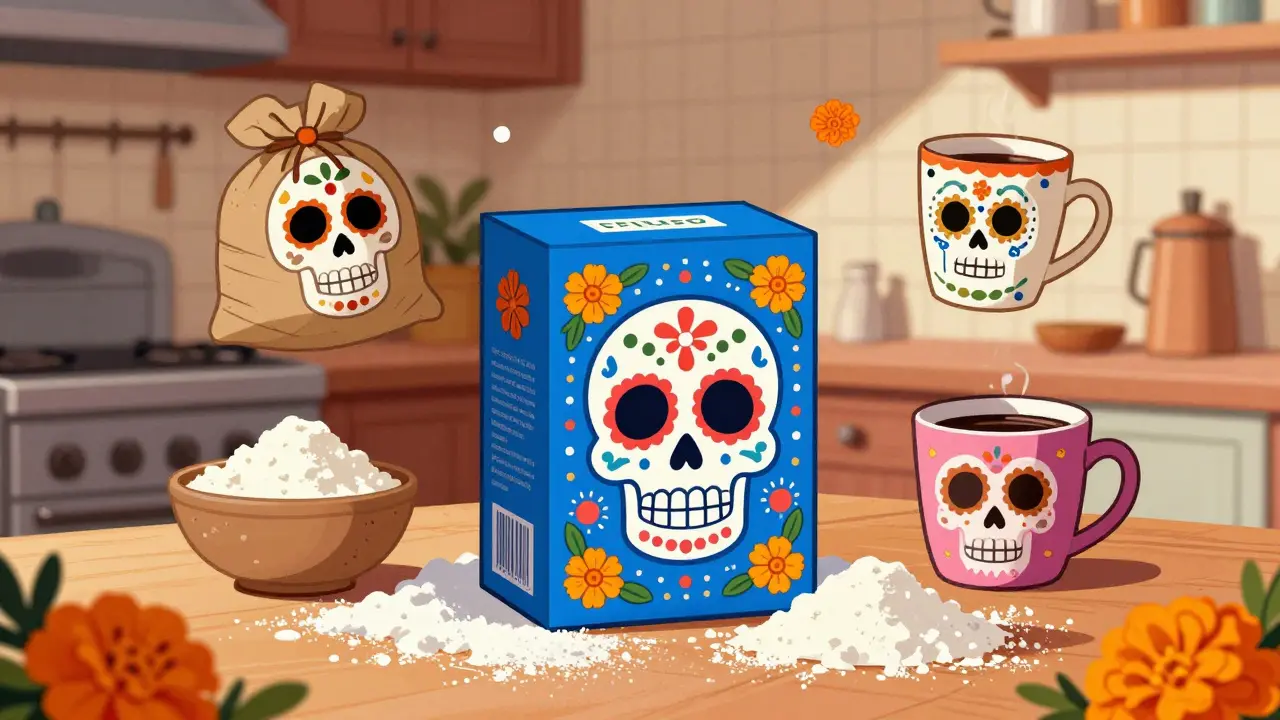
Grab a box of baking soda from your kitchen cupboard. It’s likely sitting next to the flour or in that little drawer with the random utensils. We use it to make pancakes rise, scrub stubborn stains off coffee mugs, and deodorize the fridge when it starts smelling like old cheese. But what happens when you need more than just a few tablespoons? What if you’re a soap maker needing fifty pounds, a scientist requiring ultra-pure chemicals, or a farmer looking to keep cattle healthy?
Finding the right source for sodium bicarbonate online can be tricky because not all white powder is created equal. The chemical formula NaHCO₃ remains the same, but the purity, certification, and packaging vary wildly depending on who makes it and who buys it. Buying from the wrong supplier could mean wasting money on low-grade product or, worse, using something unsafe for food or skin.
This guide breaks down exactly where to buy sodium bicarbonate online based on what you actually need it for. Whether you are buying a single pound or a full pallet, knowing the difference between consumer, pharmaceutical, laboratory, and agricultural grades will save you time and ensure safety.
Understanding the Grades: Why Purity Matters
Before you click "add to cart," you need to understand the grading system. Sodium bicarbonate isn't just one product; it comes in specific tiers designed for different industries. Using the wrong grade can ruin a batch of homemade soap, skew scientific results, or even pose health risks.
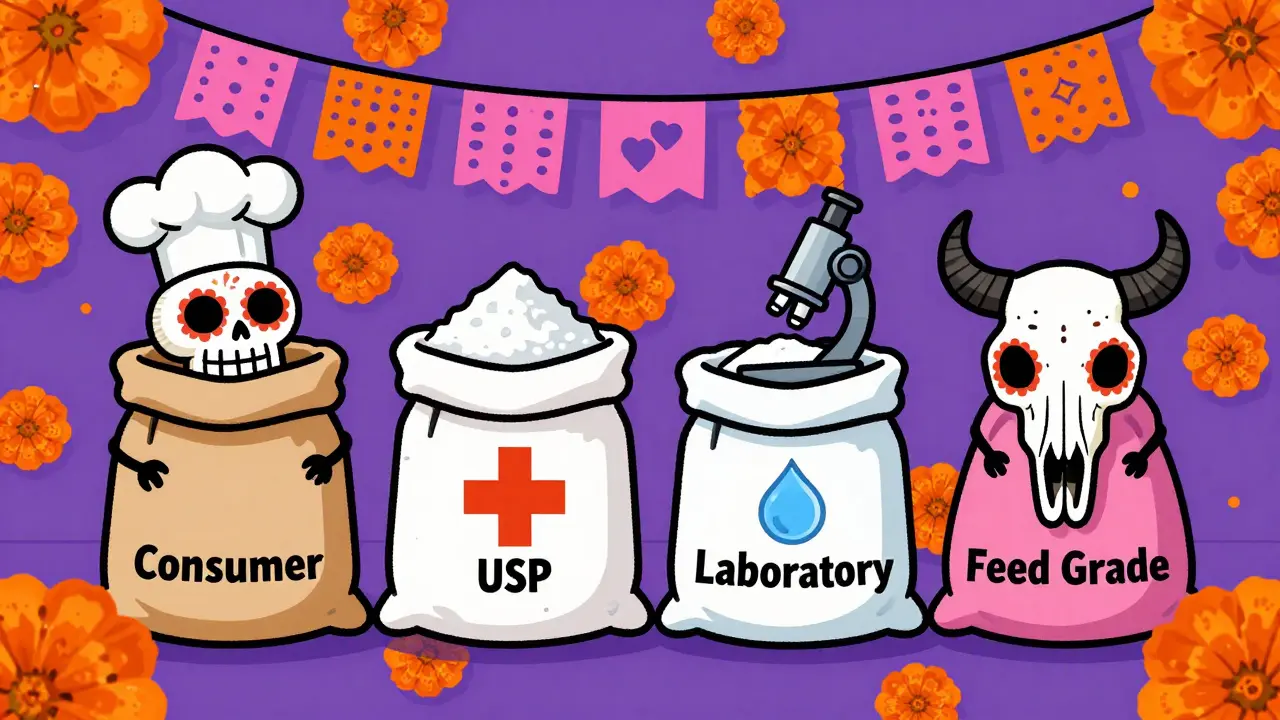
| Grade Type | Primary Use | Purity Standard | Typical Supplier |
|---|---|---|---|
| Consumer Grade | Cooking, cleaning, household deodorizing | High purity, minimal additives (e.g., aluminum-free) | Walmart, Bulk Apothecary |
| USP Grade (Pharmaceutical/Food) | Food manufacturing, supplements, medicine | United States Pharmacopeia standards | CORE CHEM Inc., Ingredi |
| Laboratory Grade | Scientific research, analytical testing | Ultra-high purity, strict contaminant limits | Lab Alley |
| Feed Grade (Agricultural) | Livestock nutrition, organic farming | OMRI certified for organic use | New Country Organics |
Consumer Grade is the standard baking soda found in grocery stores. Brands like Arm & Hammer dominate this space. For most home users, this is perfectly fine. However, some suppliers, such as Bulk Apothecary, market their products as "aluminum-free." While traditional baking soda doesn't contain aluminum, some antacids do. If you are sensitive to contaminants or using it for DIY cosmetics, opting for a supplier that explicitly guarantees no fillers or anti-caking agents is wise.
USP Grade refers to products meeting United States Pharmacopeia specifications. This is non-negotiable if you are formulating food products, dietary supplements, or pharmaceuticals. Manufacturers like Church & Dwight Company produce this under strict quality controls. You cannot legally sell food products made with non-USP ingredients in many jurisdictions.
Laboratory Grade demands the highest level of precision. In scientific experiments, even trace impurities can invalidate data. Suppliers like Lab Alley provide Certificates of Analysis (CoA) with every order, detailing exactly what is in the powder down to the parts per million. This grade is significantly more expensive due to the rigorous testing involved.
Feed Grade is specialized for agriculture. It must be safe for animal consumption and often carries Organic Materials Review Institute (OMRI) certification. This allows farmers to use it in organic livestock operations without violating organic standards.
Where to Buy Small Quantities (Home & Craft Use)
If you are a hobbyist making bath bombs, soaps, or candles, you probably don’t need industrial drums. You need reliable, small-batch suppliers who understand the crafting community.
Wholesale Supplies Plus is a go-to for crafters. They stock sodium bicarbonate specifically formulated for DIY projects. Their product descriptions focus on pH balancing and skin softening, which are critical for body powders and bath fizzies. They offer sizes that fit easily into a home workspace without overwhelming your storage.
For general household needs, big-box retailers like Walmart offer convenience. Their "Pure Original Ingredients" brand sells 2-pound containers for around $9.99. It’s cheap, accessible, and has no fillers. However, if you find yourself buying these boxes every month, the per-pound cost adds up quickly. This is where switching to a dedicated bulk supplier makes financial sense.
Bulk Apothecary bridges the gap between retail and wholesale. They emphasize 100% pure, aluminum-free sodium bicarbonate. Their pricing is competitive for those buying in larger bags than the supermarket offers but smaller than industrial pallets. They are particularly popular among natural health enthusiasts who want transparency about what they are putting into their bodies or onto their skin.
Sourcing for Business: Food, Pharma, and Bulk Industrial
When you move from hobby to business, the stakes get higher. You need consistency, documentation, and volume discounts. Here, the major players step in.
CORE CHEM Inc. operates as a regional bulk supplier, primarily serving the Eastern United States. They offer USP grade sodium bicarbonate in 50-pound bags, 25-pound pails, and massive 2000-pound supersacks. Their model is hybrid: you can order online for next-business-day shipment, or request a quote for full pallet quantities. This flexibility is crucial for businesses that have fluctuating inventory needs. If you run a bakery or a supplement company, CORE CHEM provides the reliability required for consistent production.
Ingedri is another key player for commercial buyers. They distribute Arm & Hammer Sodium Bicarbonate USP Grade 1. Since Arm & Hammer is manufactured by Church & Dwight Company, you are getting a recognized brand with established quality assurance protocols. Ingedri typically sells in 50-pound bulk bags, which is ideal for food manufacturers who need to maintain traceability and compliance with food safety regulations.
Shaya and Company offers a unique approach. Based in Milwaukie, Oregon, they stock USP Grade #1 sodium bicarbonate in various sizes, from 1-pound to 50-pound bags. For orders over 250 pounds, you need to contact them directly via email for custom pricing. They also have a physical storefront, allowing for walk-in purchases during business hours (Tuesday-Friday, 9 AM-5 PM). This local touch can be valuable for urgent needs or building a direct relationship with your supplier.
The Science Sector: Laboratory-Grade Purchasing
Scientists and researchers have zero tolerance for impurities. When you are running chromatography, titrations, or other analytical tests, the reagent itself must be predictable.
Lab Alley specializes in this niche. Their pricing reflects the premium nature of their product. A 1-pound container costs approximately $64.78, while a 1-kilogram package runs about $69.98. Compare this to consumer grade at roughly $5 per pound, and the difference is stark. However, you aren't just paying for the powder; you are paying for the certification. Each order comes with detailed documentation proving the chemical composition meets strict scientific standards. For institutions, this paperwork is as important as the chemical itself for audit trails and reproducibility of results.
Lab Alley offers multiple size options, including 500 grams, 2.5 kilograms, and 12.5 kilograms. This variety allows labs to manage inventory efficiently, ordering enough to last through a quarter without overstocking perishable or hygroscopic materials. Sodium bicarbonate can absorb moisture from the air, so proper sealed storage is essential, and Lab Alley’s packaging is designed to mitigate this risk.
Agricultural and Livestock Applications
Farmers and livestock owners use sodium bicarbonate to stabilize rumen pH in ruminants. Cattle, sheep, goats, llamas, and pigs can suffer from acidosis if their diet is too high in grains. Adding baking soda helps buffer the stomach acidity, preventing serious health issues.
New Country Organics is the leader in this segment. They distribute feed-grade sodium bicarbonate in 50-pound quantities. Crucially, their product is OMRI certified. This means it is approved for use in organic agriculture. If you are raising organic beef or dairy, you cannot just use any old bag of baking soda; it must meet organic standards. New Country Organics ensures compliance, allowing animals to self-regulate consumption through free-choice feeding systems.
Pricing Strategies and Cost Efficiency
Let’s talk money. The price of sodium bicarbonate varies dramatically based on quantity and grade. Understanding this curve helps you decide whether to buy now or wait until you can afford a bulk order.
- Retail/Consumer: Approximately $5.00 per pound (based on $9.99 for 2 lbs).
- Small Bulk/Craft: Prices drop slightly as you move to 5-10 lb bags from suppliers like Bulk Apothecary.
- Commercial Bulk (USP): Significant savings occur at 50-lb bags. While exact quotes vary, the per-pound cost can drop by 30-50% compared to retail.
- Industrial Supersacks: At 2000+ pounds, the cost per pound reaches its lowest point, but requires significant storage space and handling equipment.
- Laboratory Grade: Remains expensive regardless of size due to processing and certification costs. Expect to pay $60-$70 per kilogram.
The economic incentive for bulk purchasing is clear. If your business uses more than 50 pounds a year, buying in bulk pays for itself. However, factor in storage. Sodium bicarbonate should be kept in a cool, dry place. Humidity is the enemy; it causes clumping and can degrade potency over time. Ensure your warehouse or storage room has climate control before committing to a supersack.
Logistics and Fulfillment Considerations
Buying online is easy, but receiving heavy chemical goods requires planning. Shipping weights add up fast. A 50-pound bag of sodium bicarbonate plus packaging can weigh over 55 pounds. Most carriers charge dimensional weight fees, which can inflate shipping costs unexpectedly.
Suppliers like CORE CHEM Inc. offer next-business-day shipment for online orders, which is great for urgent needs. However, for large volumes, freight shipping might be necessary. Freight shipments require a loading dock or a forklift at your receiving end. If you are a small business operating out of a garage, stick to parcel shipping (UPS/FedEx) even if it costs more per unit, because you won’t have the infrastructure to handle a pallet drop-off.
Always check the Certificate of Analysis (CoA) upon arrival. Reputable suppliers include this document, either physically in the box or digitally via email. It confirms the batch number, expiration date, and purity levels. Keep these documents on file. For food and pharma companies, regulatory audits will ask for them. For scientists, they validate your experimental conditions.
Troubleshooting Your Purchase
Even with the best planning, things can go wrong. Here are common issues and how to resolve them:
- Clumping: If your powder arrives hard or clumped, it likely absorbed moisture during transit. Check the seal. If the bag was compromised, contact the supplier immediately. Most reputable vendors will replace damaged goods. Store future purchases in airtight containers with desiccant packs.
- Wrong Grade Delivered: Double-check the label upon receipt. If you ordered USP grade and received consumer grade, stop usage immediately. Return the product and request a replacement. Using the wrong grade in food or pharma can lead to legal liability.
- Shipping Delays: Chemical suppliers sometimes face regulatory delays in shipping. Order well in advance of your project deadline. For critical operations, maintain a safety stock of at least two weeks’ worth of supply.
Can I use consumer-grade baking soda for making soap?
Yes, you can. Consumer-grade sodium bicarbonate is generally pure enough for soap making, especially for cold process or melt-and-pour methods where it acts as an exfoliant or pH adjuster. However, if you are selling your soaps commercially, it is safer to use USP grade to ensure no unexpected additives affect the final product's stability or skin safety.
Is there a difference between baking soda and sodium bicarbonate?
Chemically, no. Baking soda is the common name for sodium bicarbonate (NaHCO₃). The difference lies in the marketing and grading. "Baking soda" usually implies consumer-grade for cooking, while "sodium bicarbonate" often refers to industrial, laboratory, or pharmaceutical grades with stricter purity controls.
Do I need a special license to buy sodium bicarbonate online?
For most consumers and small businesses, no. Sodium bicarbonate is not a controlled substance. However, some large-scale industrial suppliers may require you to register as a business account to purchase bulk quantities or specific grades like USP or Laboratory grade, primarily for tracking and safety compliance purposes.
How long does sodium bicarbonate last?
Sodium bicarbonate has an indefinite shelf life if stored properly in a cool, dry place in an airtight container. Over many years, it may slowly decompose into sodium carbonate, water, and carbon dioxide, losing its leavening power, but it remains safe for cleaning. Always check the expiration date on the package, especially for USP and Laboratory grades where potency is critical.
Why is laboratory-grade sodium bicarbonate so expensive?
The high cost reflects the rigorous testing and quality control processes. Laboratory grade requires precise purity levels with minimal impurities. Each batch is tested and documented with a Certificate of Analysis. The packaging is also designed to prevent contamination and moisture absorption, adding to the production cost.