
When your neck or lower back pain shoots down your arm or leg like an electric shock, it’s not just a muscle spasm. It’s likely radiculopathy - a pinched or irritated nerve root in your spine. This isn’t rare. In fact, about 1 in 5 adults will experience some form of cervical or lumbar radiculopathy in their lifetime. And while it sounds scary, most cases don’t need surgery. With the right rehab, many people get back to normal - no needles, no scalpel, just smart movement and time.
What Exactly Is Radiculopathy?
Radiculopathy happens when a nerve root - the bundle of nerves that branches off your spinal cord - gets squeezed or inflamed. Think of it like a garden hose kinked near the spigot. Water (or nerve signals) can’t flow properly, so the area downstream starts to misfire. In cervical radiculopathy, that’s in your neck. In lumbar radiculopathy, it’s in your lower back. Both cause pain, numbness, tingling, or weakness along the path of the nerve.
It’s not just "bad back pain." The symptoms follow clear patterns. For example, if the C6 nerve is pinched in your neck, you’ll feel tingling down your thumb and index finger, and your biceps might feel weak. If L5 is affected in your lower back, your foot might drop when you walk, and your big toe will go numb. These aren’t random. They’re mapped. Doctors use these patterns like a GPS to find where the nerve is stuck.
Cervical vs. Lumbar: Key Differences
While both types involve nerve roots, they’re not the same condition dressed in different clothes. Cervical radiculopathy usually affects people over 50, often from bone spurs or narrowing of the spinal canal. But in younger people, it’s more likely from a herniated disc - say, after a car crash or heavy lift.
Lumbar radiculopathy? That’s the classic sciatica. Over half of cases involve L5 or S1 nerves. You’ll feel pain shooting from your butt down the back of your leg, sometimes all the way to your foot. People who stand or lift all day - construction workers, nurses, warehouse staff - are at higher risk. Studies show they’re over three times more likely to develop it than office workers.
Here’s the kicker: lumbar cases tend to be more disabling. On average, people with lumbar radiculopathy report 37% higher disability scores than those with cervical issues. Recovery also takes longer - 14 weeks on average versus 11 for neck problems. That’s because your lower back carries your whole body weight. It’s under constant stress.
What Causes It?
Two main culprits: herniated discs and degenerative changes.
Under 50? A slipped disc is the usual suspect. The soft center of the disc bulges out and presses on the nerve. This often happens after twisting or lifting something heavy. MRI scans show this clearly - they’re 92% accurate at spotting these issues in the neck.
Over 50? Bone spurs and narrowing of the space where nerves exit the spine (foraminal stenosis) are the usual suspects. Arthritis slowly chips away at the spine’s structure. It’s not sudden. It’s slow. And it’s why older adults often wake up with arm or leg pain that wasn’t there the night before.
Occupational factors matter too. Jobs that involve repeated bending, twisting, or heavy lifting increase risk. Even sitting for long hours with poor posture can contribute. One study found that office workers who adjusted their chairs and monitor height cut their neck pain by over 30%.
How Is It Diagnosed?
It starts with your story. A good clinician will ask: Where does the pain start? Where does it go? What makes it worse? What helps? Then they’ll test your reflexes, muscle strength, and sensation. A positive Spurling’s test (turning your head and pressing down) can point to cervical nerve compression. The straight leg raise test (lifting your leg while lying down) is classic for lumbar issues.
Imaging isn’t always needed. But if symptoms last more than 6 weeks or get worse, an MRI is the gold standard. It shows soft tissue - discs, nerves, ligaments - better than X-rays or CT scans. In fact, MRI detects 92% of cervical disc herniations. CT myelography? Only 78%. That’s why most guidelines now skip the CT unless MRI isn’t possible.
And yes, AI is helping. Since early 2023, FDA-approved software like MedoScan RAD can analyze MRI scans and flag nerve compression with 96.7% accuracy - better than even experienced radiologists.
Conservative Treatment: The First Line
Here’s the good news: 85% of cases improve without surgery. The American College of Physicians says: wait 6 to 8 weeks. Don’t rush to injections or surgery. Start with movement and time.
Step 1: Rest, but don’t quit. Avoid heavy lifting, prolonged sitting, or repetitive motions. But don’t stay in bed. Gentle walking helps blood flow and reduces inflammation.
Step 2: Medication. Over-the-counter NSAIDs like ibuprofen (400mg three times a day) can cut inflammation and pain. But they’re not a long-term fix. Use them for 1-2 weeks max. Acetaminophen helps too, but doesn’t reduce swelling.
Step 3: Physical therapy. This is where real healing happens. Studies show it works 68% of the time - better than meds alone.
Physical Therapy Protocols: Neck vs. Lower Back
Cervical radiculopathy rehab follows three phases:
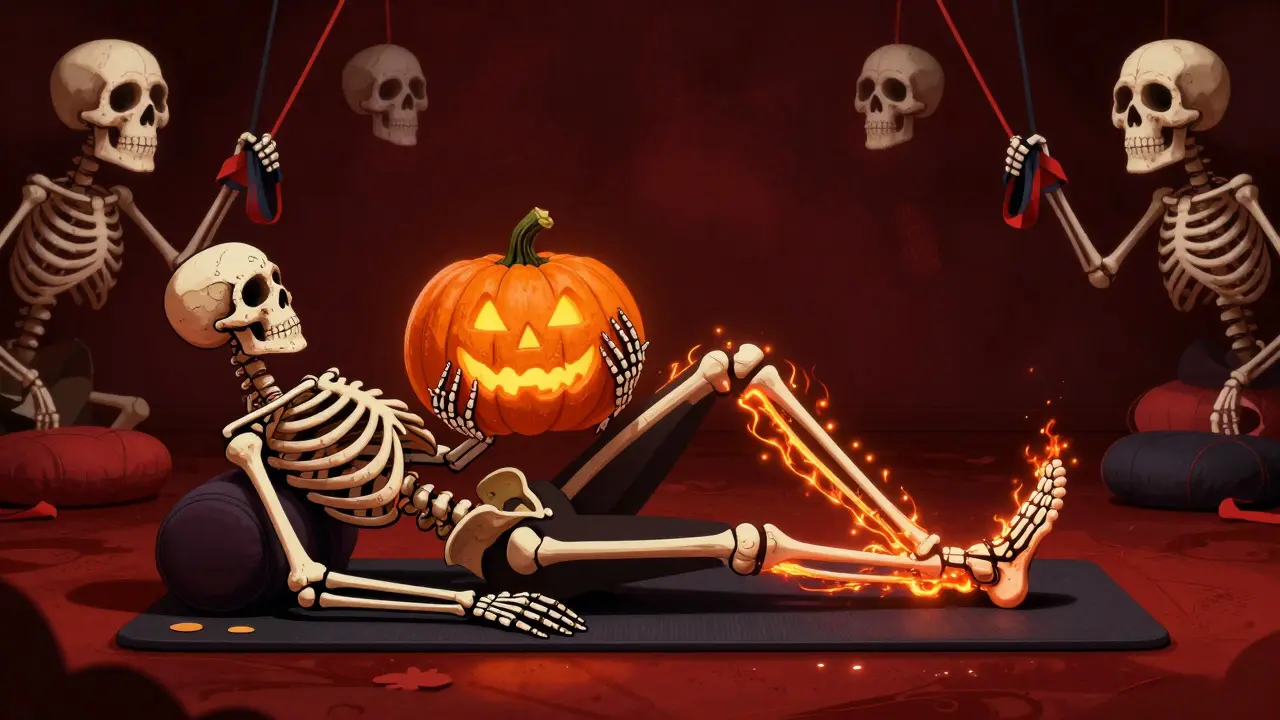
- Phase 1 (Weeks 2-4): Gentle movement. Chin tucks, shoulder blade squeezes, and light cervical traction (5-10 lbs) to open space around the nerve.
- Phase 2 (Weeks 4-8): Isometric strengthening. Pushing your head gently against your hand without moving it. Builds stability without stressing the nerve.
- Phase 3 (Weeks 8-12): Dynamic control. Resistance bands for neck and upper back. Focus on posture and endurance.
Lumbar radiculopathy is different. The goal is to take pressure off the nerve in the lower spine.
- McKenzie exercises: Lying on your stomach and propping up on your elbows, then pushing up. This helps push bulging discs back into place.
- Core stabilization: Dead bugs, bird-dogs, pelvic tilts. Strong abs and glutes support the spine.
- Hamstring stretches: Tight hamstrings pull on the pelvis and increase pressure on the lower spine. Stretch daily.
Most people need 12-16 sessions. But here’s the secret: home exercises matter more than clinic visits. People who stick to their home routine recover 47% faster.
What About Injections?
Epidural steroid injections are common - especially for lumbar cases. You get a shot of cortisone near the nerve to reduce swelling. Some patients swear by them. On patient forums, 41% say it was "life-changing."
But the science says otherwise. The Cochrane Review found only short-term relief - 2 to 6 weeks - with no lasting benefit. In fact, a 2021 survey of pain specialists showed 58% still use them regularly, but only because patients expect them. They’re not a cure. They’re a pause button.
For cervical radiculopathy, injections are even less effective. Most guidelines now recommend skipping them unless symptoms are severe and haven’t improved after 8 weeks of therapy.
When Surgery Is Needed
Most people don’t need it. But if you have:
- Progressive muscle weakness (e.g., dropping things, foot drop)
- Loss of bladder or bowel control (cauda equina - this is an emergency)
- Severe pain that doesn’t improve after 12 weeks of rehab
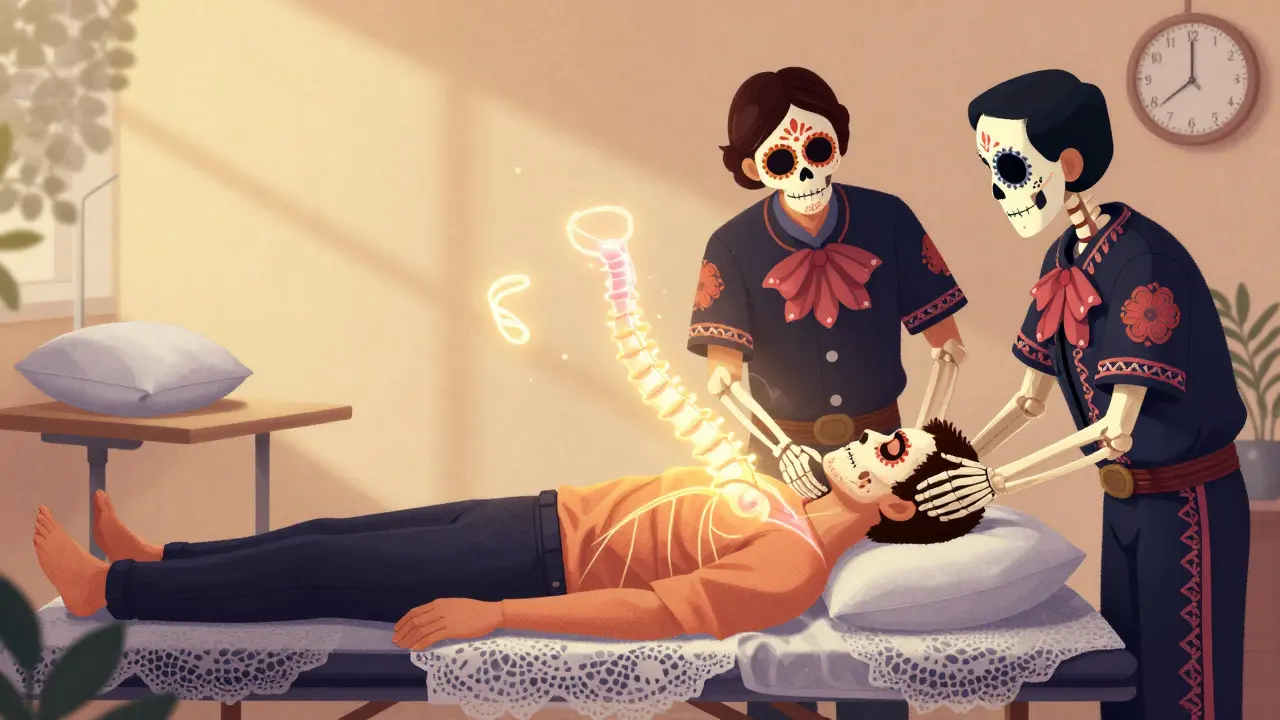
Then surgery becomes an option. For cervical cases, a discectomy (removing the herniated disc) or fusion stabilizes the spine. For lumbar, a microdiscectomy is common - a small incision, quick recovery.
But surgery isn’t a magic fix. Recovery still takes months. And if you don’t change how you move, lift, or sit, it can come back.
Real Patient Experiences
On HealthUnlocked, 62% of cervical radiculopathy patients said physical therapy was the most helpful. Those who did chin tucks and scapular retractions daily reported 78% satisfaction.
But lumbar patients had a different story. One Reddit user wrote: "My PT gave me 3 exercises and told me to do them 3 times a week. I did them for 6 months. Nothing changed. Then I found a specialist who customized my routine. Within 8 weeks, I could walk without pain."
That’s the pattern. Personalized rehab works better than cookie-cutter plans. A 2022 survey found 72% of people stuck to their program when it was tailored to them. Only 43% did when it wasn’t.
And frustration is real. Over half of patients with long-term pain said doctors focused on quick fixes - pills, shots - instead of teaching them how to move safely. That’s why recovery fails.
What to Avoid
Many people make the same mistakes:
- Returning to heavy lifting too soon - causes 28% of recurrences
- Skipping home exercises - 61% of non-responders admitted they didn’t do them consistently
- Using the wrong pillow - cervical radiculopathy patients who slept on high pillows had worse symptoms
- Slouching at your desk - poor posture increases pressure on nerve roots by 40%
Simple fixes work. A lumbar support cushion. A standing desk. Sleeping on your side with a pillow between your knees. These aren’t glamorous. But they’re effective.
The Road to Recovery
Most people get better. Within 12 months, 82% return to their normal activity level. Only 8% develop chronic pain.
But recovery isn’t linear. Some days hurt more. That’s normal. The goal isn’t to be pain-free tomorrow. It’s to build resilience - stronger muscles, better movement, smarter habits.
And it’s not just about the spine. It’s about your whole life. Sleep. Stress. Work. Movement. All of it matters.
Don’t wait for the pain to disappear before you start moving. Start moving to make the pain disappear.
Can cervical radiculopathy cause arm weakness?
Yes. Cervical radiculopathy can cause weakness in the arm or hand, depending on which nerve root is affected. For example, C6 compression often leads to biceps weakness, while C7 affects triceps and wrist extensors. If you notice your grip weakening or difficulty lifting objects, that’s a sign the nerve is being compressed. This isn’t just pain - it’s a signal your body needs attention.
Is lumbar radiculopathy the same as sciatica?
Yes, sciatica is the most common form of lumbar radiculopathy. It specifically refers to pain from irritation of the sciatic nerve - usually caused by compression of the L5 or S1 nerve roots. The pain typically runs from the lower back down the back of the leg, sometimes to the foot. Not all leg pain is sciatica, but if it follows that path, it’s likely lumbar radiculopathy.
How long does physical therapy take for radiculopathy?
Most people need 12 to 16 physical therapy sessions over 8 to 12 weeks. Cervical cases often improve faster - around 8 to 10 weeks. Lumbar cases take longer, sometimes up to 16 weeks, because the lower spine bears more load. The key isn’t just the number of visits - it’s consistency with home exercises. People who do their daily stretches and strengthening routines recover 47% faster than those who don’t.
Can radiculopathy come back after treatment?
Yes, if you return to habits that caused it in the first place. Lifting heavy objects with a rounded back, sitting for hours without breaks, or sleeping on a pillow that misaligns your neck can trigger recurrence. Studies show 28% of people who rush back to physical labor or poor posture experience symptoms again within a year. Prevention means long-term changes - not just short-term fixes.
Are epidural steroid injections worth it for radiculopathy?
They may give short-term relief - 2 to 6 weeks - but they don’t change the long-term outcome. The Cochrane Review found no lasting benefit compared to placebo. Some patients feel better temporarily and think it’s cured, but the underlying issue remains. For cervical radiculopathy, they’re rarely recommended. For lumbar, they’re sometimes used if pain is severe and hasn’t improved after 8 weeks of therapy. But they’re not a substitute for movement and rehab.
What’s the best sleeping position for cervical radiculopathy?
Sleep on your back or side with a pillow that keeps your neck in a neutral position - not bent forward or twisted. A pillow that’s too high or too flat increases pressure on the nerve roots. Memory foam or contour pillows designed for neck support work best. Avoid sleeping on your stomach - it forces your neck into extreme rotation and extension, worsening symptoms.



There are 15 Comments
Jonah Mann
Man I had cervical radiculopathy last year-thought it was just a stiff neck, turns out my C6 was screaming. Did the chin tucks and shoulder blade squeezes like the post said, and holy crap it worked. Not magic, just consistency. I did them every morning before coffee. No injections, no surgery. Just me, a yoga mat, and way too many memes.
THANGAVEL PARASAKTHI
From India here, and yes this is 100% true. We dont talk about nerve pain enough. My uncle, a rickshaw driver, had lumbar radiculopathy for 3 years. Tried pills, then injections, then finally did McKenzie exercises daily. Now he walks 5km to work. Its not about money, its about movement. Thank you for this post.
Chelsea Deflyss
So you’re telling me I didn’t need that $2,000 MRI? I just needed to stop sleeping like a pretzel? Wow. I’m not mad, I’m just disappointed in myself. And my pillow.
Scott Conner
Wait so AI is now reading MRIs better than radiologists? That’s wild. I get that it’s accurate, but… does that mean we’re one step away from robots diagnosing us over Zoom? Feels like sci-fi. Also, is this FDA-approved software free? Asking for a friend who’s broke.
Tatiana Barbosa
YESSSSS. This is the kind of info that actually saves lives. Stop chasing shots and pills. Movement is medicine. Core work. Stretching. Sleep posture. These aren’t "alternative"-they’re foundational. I’ve helped 12 clients recover from radiculopathy using ONLY this protocol. No magic, just math: consistent effort + smart biomechanics = freedom. You got this.
Ken Cooper
Okay, I’m gonna be real-my PT gave me a 3-exercise routine and said "do this for 6 weeks." I did it for 2, got bored, went back to lifting dumbbells like a maniac. Guess what? Pain came back worse. Then I found a specialist who actually listened. Turned out my glutes were asleep. So I did bird-dogs daily. 8 weeks later? I ran a 5K. No joke. It’s not about how hard you push-it’s about how smart you move.
MANI V
This post is dangerously optimistic. People think "conservative treatment" means they can keep their 80-hour workweek and sit on a couch all day. You don’t heal a compressed nerve by doing yoga once a week while binge-watching Netflix. The real issue? Society glorifies pain tolerance. You’re not "tough"-you’re just delaying the inevitable. Wake up.
Susan Kwan
So let me get this straight. The solution to my chronic pain is… more sitting? On a standing desk? With a pillow between my knees? I didn’t need a 10-page article. I needed someone to say "stop being lazy" and hand me a foam roller. Thanks for the condescension.
Ryan Vargas
Consider the metaphysical implications: if radiculopathy is a kinked garden hose, then who-or what-is the spigot? Is it the spine? The nervous system? Or is it the societal pressure to perform, to endure, to ignore the body’s whispers until they become screams? The modern medical model treats symptoms, not root causes. We fix the hose, but not the gardener. And the gardener? He’s been working overtime since 1997. And he’s exhausted.
Tasha Lake
Love the breakdown on cervical vs lumbar. But can we talk about the fact that most PTs still use cookie-cutter protocols? I had the exact same routine as my coworker-she had L4, I had C7. It was useless. Personalization is everything. Find a therapist who does movement analysis, not just stretch lists. Your body isn’t a textbook.
Sam Dickison
epidural injections = placebo with a price tag. I got one for my L5. Felt better for 3 weeks. Then back to squats and screaming. PT was the real MVP. 12 sessions, $400. The shot? $1,200 and zero long-term gain. Also, hamstring stretches. DO THEM. I ignored them for 6 months. My sciatica didn’t care.
Simon Critchley
OMG this is peak medical content 😍 I’ve been doing McKenzie extensions since 2021 and now I’m basically a human yoga pose. Also-AI diagnostics? YES. I’ve seen radiologists miss stuff. A bot doesn’t care if you’re late on your rent. It just sees the nerve. Future is here. Also, sleep on your side with a pillow between your knees. I’m not joking. I used to sleep like a starfish. Now I’m a curled-up cat. Life changed.
Tom Forwood
Just moved from Texas to Oregon and my back went from "mild annoyance" to "I can’t tie my shoes." Found a local PT who didn’t just hand me a PDF. We did movement screens, assessed my squat pattern, found my hip flexors were welded shut. 10 weeks later, I’m hiking again. This isn’t about pain management-it’s about reclaiming your body. Don’t wait till you can’t walk.
John McDonald
My dad had lumbar radiculopathy and refused PT. Said "I’ll just tough it out." Ended up in a wheelchair for 3 months. We got him into home exercises, posture tweaks, and a lumbar cushion. He’s gardening again. The biggest thing? He stopped thinking it was "just aging." It’s mechanics. And mechanics can be fixed. Don’t give up.
Jacob den Hollander
I just want to say… thank you. I’ve been dealing with cervical radiculopathy for 18 months. Tried everything. Injections? Didn’t help. Surgery? Scared me. Then I found this. Started chin tucks. Did them 3x a day. Didn’t even think about it. Now? No tingling in my fingers. No more waking up with a dead arm. It’s not glamorous. It’s not viral. But it’s real. And I’m so glad someone finally said it like it is.
Write a comment
Your email address will not be published. Required fields are marked *