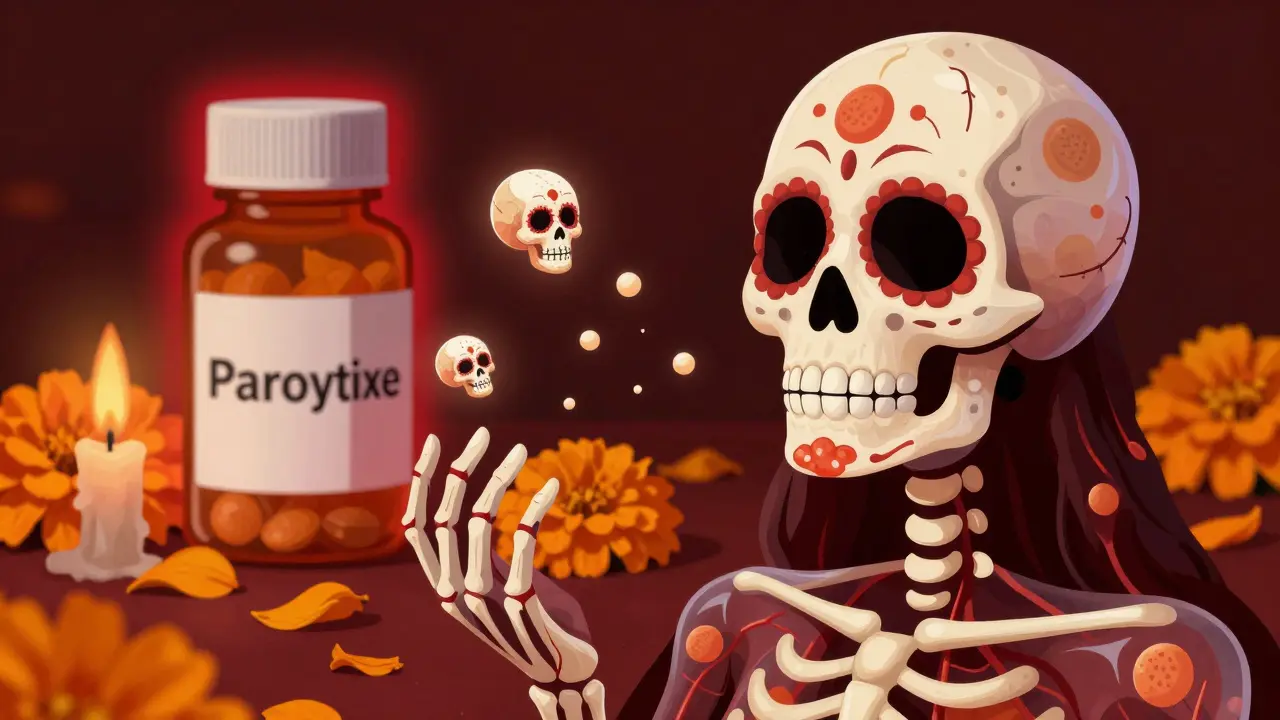
When you take an SSRI for depression or anxiety, you’re not just changing your mood-you’re changing how your blood clots. It sounds surprising, but it’s true. Selective Serotonin Reuptake Inhibitors, like sertraline, fluoxetine, and paroxetine, are among the most prescribed antidepressants in the world. But behind their effectiveness lies a quiet, often overlooked side effect: bleeding risk caused by platelet dysfunction.
How SSRIs Stop Your Platelets from Working Right
Your platelets are tiny blood cells that rush to the site of a cut and stick together to form a clot. They don’t work alone. They rely on serotonin-not the kind that lifts your mood, but the kind stored inside them. About 99% of the serotonin in your blood is packed into platelets. That serotonin acts like a signal: "Hey, we’ve got a leak here. Stick together and plug it." SSRIs block the serotonin transporter (5-HTT), the same protein that helps brain cells recycle serotonin. But platelets have that same transporter. When an SSRI shuts it down, platelets can’t pull serotonin back in. Over time, their serotonin stores drop-sometimes by more than 80%. Without enough serotonin, platelets don’t activate properly. They don’t clump as tightly. They don’t respond as fast. And that’s when bleeding becomes easier. This isn’t theory. Studies using platelet aggregation tests have shown clear, measurable drops in clotting ability in people taking SSRIs. The more a drug binds to the serotonin transporter, the worse the effect. Paroxetine and fluvoxamine bind tightly. Sertraline and citalopram bind less so. That’s why bleeding risk isn’t the same across all SSRIs.Which SSRIs Carry the Highest Bleeding Risk?
Not all SSRIs are created equal when it comes to bleeding. Here’s how they stack up based on their binding strength to the serotonin transporter:| SSRI | Ki Value (nM) | Bleeding Risk Level | Common Brand Names |
|---|---|---|---|
| Paroxetine | 0.17 | High | Paxil, Pexeva |
| Fluvoxamine | 0.34 | High | Luvox |
| Sertraline | 0.52 | Moderate | Zoloft |
| Citalopram | 0.91 | Moderate | Celexa |
| Escitalopram | 0.54 | Moderate | Lexapro |
| Fluoxetine | 1.2 | Lower | Prozac |
When SSRIs Combine With Other Drugs, Risk Skyrockets
The real danger isn’t just SSRIs alone. It’s what happens when they mix with other medicines that also thin the blood. Take anticoagulants like warfarin or apixaban. These are prescribed for atrial fibrillation, deep vein thrombosis, or after heart valve surgery. When someone takes an SSRI on top of that, the risk of major bleeding jumps by 35%. That’s not a small increase. It’s the difference between a 3% chance and a 4% chance of a dangerous bleed-and in real life, that’s enough to land someone in the ER. NSAIDs are another red flag. Ibuprofen, naproxen, even aspirin (yes, even low-dose aspirin) double or triple bleeding risk when paired with SSRIs. One study found that combining SSRIs with NSAIDs increases bleeding risk by 4.5 times. That’s why doctors often tell patients to switch from ibuprofen to acetaminophen if they’re on an SSRI. Even antiplatelet drugs like clopidogrel or ticagrelor-used after stents or heart attacks-can interact. But here’s the twist: newer studies show that in patients on modern antiplatelet therapy after heart procedures, SSRIs didn’t add extra bleeding risk. Why? Because those drugs are so strong, the platelet effect from SSRIs gets drowned out. That doesn’t mean SSRIs are safe-it means context matters.
Real People, Real Bleeding
Behind the numbers are real experiences. A 2022 thread on Reddit’s r/SSRI had over 300 comments. Two-thirds of respondents said they started bruising easily after starting an SSRI. One man described getting a paper cut that bled for 20 minutes. A woman noticed her gums bled every time she brushed her teeth. Another noticed her nose bled after a minor cold. FDA data from 2010 to 2020 tracked over 15,000 reports of bleeding linked to SSRIs. The most common: gastrointestinal bleeding (42%), postoperative bleeding (28%), and unexplained bruising (20%). Drugs.com reviews of 2,845 users showed that 12.4% reported easy bruising. For paroxetine users? Nearly 19%. For sertraline? Just 9%. Doctors notice it too. A 2023 poll of physicians on Sermo found that 63% had seen patients bleed more during minor procedures-dental work, skin biopsies, even blood draws. But only 22% felt it was serious enough to stop the SSRI. That’s the tightrope: treating depression matters. But uncontrolled bleeding can kill.Who’s Most at Risk?
Not everyone on SSRIs will bleed. But some people are sitting on a ticking clock. You’re at higher risk if you:- Are over 65
- Have a history of ulcers or GI bleeding
- Have kidney or liver disease
- Take blood thinners (warfarin, apixaban, rivaroxaban)
- Take NSAIDs regularly
- Have a bleeding disorder like von Willebrand disease
What Should You Do?
If you’re on an SSRI and worried about bleeding, here’s what to do:- Don’t stop your SSRI cold turkey. Stopping suddenly can cause withdrawal, anxiety, or even suicidal thoughts. Talk to your doctor.
- Check your SSRI. If you’re on paroxetine or fluvoxamine and you’re at risk, ask if switching to sertraline or citalopram is an option.
- Avoid NSAIDs. Use acetaminophen for pain instead of ibuprofen or naproxen.
- Get tested if you’re planning surgery. For major procedures, doctors may recommend stopping the SSRI 5-7 days beforehand. For minor ones, it’s often not needed.
- Know the warning signs. Black, tarry stools. Vomiting blood or coffee-ground-looking material. Unexplained bruising. Bleeding that won’t stop. These aren’t normal. Call your doctor or go to urgent care.
What’s New in 2025?
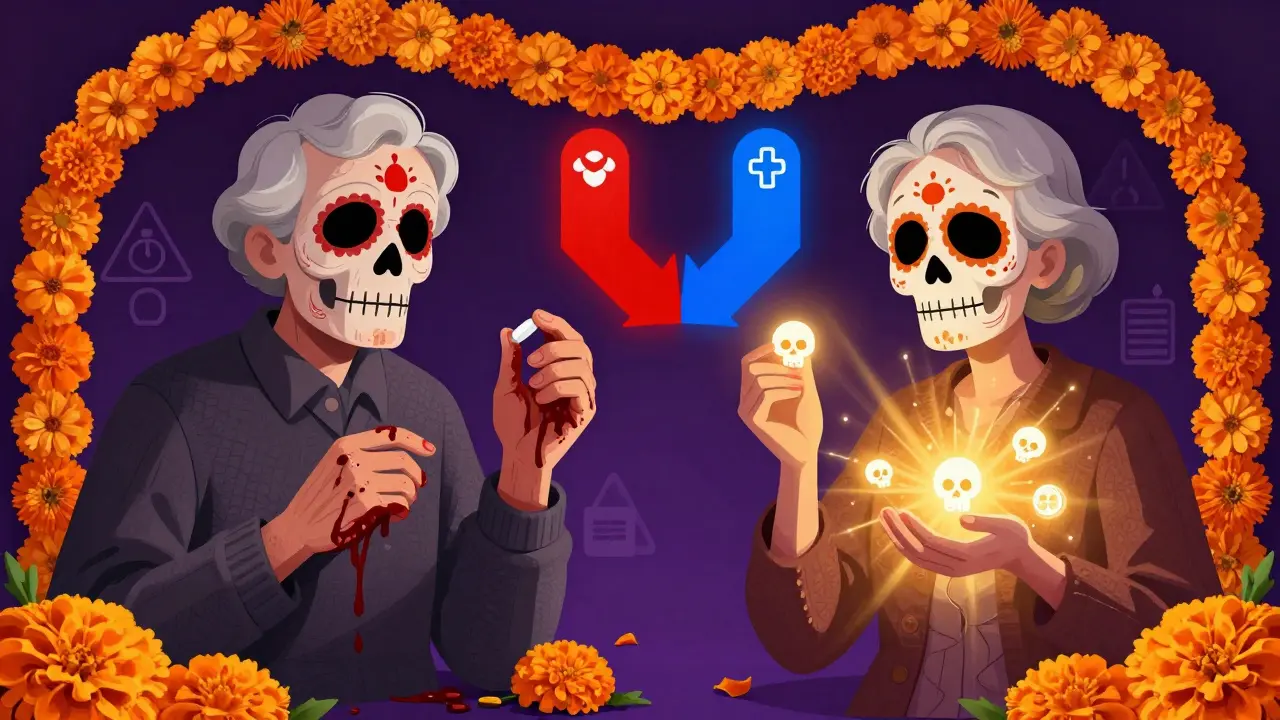
The science is moving fast. A 2024 study found that people with a specific genetic variant (5-HTTLPR S/S genotype) have more than double the bleeding risk on SSRIs. Genetic testing isn’t routine yet-but it’s coming. The European Medicines Agency is reviewing whether to add genetic risk labels to SSRI packaging by late 2025. Another promising development? Platelet-rich plasma. In a 2023 trial, giving patients their own concentrated platelets before surgery reduced bleeding time by 43%. It’s experimental, but it points to a future where we don’t just avoid SSRIs-we manage their side effects smarter.The Bigger Picture: Depression Isn’t a Choice
It’s easy to look at bleeding risk and think: "Maybe I shouldn’t take this." But untreated depression kills too. People with severe depression have a 20% higher risk of heart disease. They’re more likely to miss medical appointments, skip medications, and die from preventable causes. The goal isn’t to avoid SSRIs. It’s to use them wisely. For someone with mild anxiety and no bleeding risk? Sertraline is fine. For someone with a history of GI bleeds and on warfarin? Maybe bupropion or mirtazapine-antidepressants that don’t touch platelets-is a better fit. The answer isn’t yes or no. It’s: "What’s the right SSRI for you?"Do all SSRIs cause bleeding?
No. Not all SSRIs carry the same bleeding risk. Paroxetine and fluvoxamine have the strongest effect on platelets and pose the highest risk. Sertraline, citalopram, and fluoxetine have weaker effects and are generally safer for people concerned about bleeding. The risk depends on how tightly the drug binds to the serotonin transporter in platelets.
Can I take ibuprofen with an SSRI?
It’s not recommended. Combining SSRIs with NSAIDs like ibuprofen or naproxen increases bleeding risk by up to 4.5 times. For pain relief, use acetaminophen (Tylenol) instead. If you need an NSAID for a chronic condition like arthritis, talk to your doctor about alternatives or whether you should switch to a lower-risk SSRI like sertraline.
Should I stop my SSRI before surgery?
It depends. For major surgeries with high bleeding risk-like brain, spinal, or heart surgery-doctors often recommend stopping the SSRI 5-7 days beforehand. For minor procedures like dental work or skin biopsies, stopping usually isn’t needed. For cardiac surgery, guidelines say to keep SSRIs on because the risk of depression relapse is greater than the bleeding risk. Always discuss this with your surgeon and psychiatrist together.
Are there antidepressants that don’t affect platelets?
Yes. Bupropion (Wellbutrin) and mirtazapine (Remeron) don’t interfere with serotonin reuptake in platelets, so they don’t increase bleeding risk. They’re often preferred for patients with a history of bleeding, on blood thinners, or planning surgery. They work differently than SSRIs but can be just as effective for depression and anxiety.
What are the signs of serious bleeding from SSRIs?
Watch for: black or tarry stools, vomiting blood or material that looks like coffee grounds, unusual bruising without injury, nosebleeds that won’t stop, bleeding gums, or blood in urine. If you notice any of these, seek medical help immediately. These aren’t normal side effects-they’re warning signs of internal bleeding.

There are 14 Comments
Jason Jasper
Interesting breakdown. I’ve been on sertraline for three years and never thought about how it might affect my platelets. My gums do bleed a little more than they used to, but I assumed it was just aging. Maybe I should get a platelet function test.
Gary Hartung
Oh, so now SSRIs are secretly anticoagulants?? Of course they are. The pharmaceutical-industrial complex doesn’t want you to know that your depression meds are slowly turning you into a human sieve. I mean, seriously-how many people have bled out in silence because their doctor never mentioned this??
Carlos Narvaez
Paroxetine’s Ki is 0.17. Fluoxetine’s is 1.2. That’s a seven-fold difference in binding affinity. The pharmacokinetics are clear. The clinical implications? Less so.
Harbans Singh
Wow, this is super helpful. I’m from India, and here, doctors rarely talk about side effects like this. Most people just take the pill and hope for the best. I’ve been on citalopram for anxiety and never knew it was linked to bleeding risk. Thanks for laying it out so clearly.
Zabihullah Saleh
It’s funny how we treat mental health like it’s separate from the body. We’ll talk about neurotransmitters like they’re magic fairy dust, but ignore that serotonin is also a key player in clotting. Maybe the mind and body aren’t so divided after all.
Linda B.
And yet… no one asks why the FDA approved these drugs without mandatory platelet testing. Or why the same companies that make SSRIs also make clotting tests. Coincidence? Or a multi-billion dollar ecosystem designed to keep you medicated, monitored, and profitable?
Christopher King
They’re not just affecting platelets-they’re rewiring your entire hemostatic system. And nobody’s talking about the long-term epigenetic changes. You think your bleeding risk goes away when you stop? Nah. Your platelets remember. They carry trauma. Just like your brain does.
Michael Dillon
People freak out about SSRIs bleeding risk but ignore that smoking, alcohol, and stress cause way more bleeding. Also, most of these cases are in elderly patients on 5+ meds. Context matters. Don’t panic because a Reddit post says so.
Justin James
Think about it-every time you take an SSRI, you’re essentially giving your platelets a serotonin deficit. It’s like starving your blood cells of their natural fuel. And over time, your body adapts by becoming more fragile. But here’s the kicker: your brain doesn’t care. It just wants more serotonin. So it keeps demanding the drug. And your platelets? They’re just collateral damage in a silent war inside your veins.
Winni Victor
So let me get this straight-I’m supposed to risk brain fog and despair because my blood might turn into water? That’s not a trade-off. That’s a surrender. And now I’m supposed to switch to bupropion? The one that makes you feel like a robot who forgot how to cry? Thanks, medicine.
Rick Kimberly
The evidence presented is methodologically sound. The Ki values are well-documented in pharmacodynamic literature. However, the clinical translation into bleeding risk requires further prospective cohort analysis, particularly in populations with comorbidities. The current data remain observational and subject to confounding.
Terry Free
Stop taking antidepressants if you’re scared of bleeding. It’s not that hard. You want to feel better? Do yoga. Eat kale. Meditate. Stop letting Big Pharma turn your body into a chemistry experiment. You’re not broken-you’re just lazy.
Ben Harris
I’ve been on paroxetine for five years. I bruise like a peach. My dentist asked if I was on blood thinners. I told him I was on Paxil. He laughed. Then he looked it up. Now he’s scared to do my cleaning. What’s the point of being mentally stable if I can’t get a tooth pulled without a blood transfusion?
Lindsay Hensel
This is why we need better patient education. Not just from doctors-but from the system. We treat mental illness like it’s a footnote in medical training. But it’s not. It’s central. And so are its side effects. Thank you for writing this with such clarity.
Write a comment
Your email address will not be published. Required fields are marked *