Tyramine Risk Calculator
How This Works
Enter your food portions to calculate total tyramine content. Danger begins at 10-25mg per meal. This tool uses data from medical guidelines to show risk levels based on the article content.
Important: This is for educational purposes only. Always follow your doctor's specific dietary guidance.
Result
Total Tyramine:
0 mg
Remember: 10-25mg per meal can trigger hypertensive crisis. Always follow your doctor's specific dietary guidelines.
When you’re taking an MAOI for depression, what you eat isn’t just a personal choice-it can be a matter of life or death. Monoamine Oxidase Inhibitors (MAOIs) like phenelzine, tranylcypromine, and isocarboxazid are powerful antidepressants, often used when other treatments fail. But they come with a hidden risk: a dangerous interaction with tyramine, a substance found naturally in certain foods. This isn’t a vague warning. It’s a precise, measurable threat that can spike your blood pressure to dangerous levels in minutes.
Why Tyramine Is Dangerous with MAOIs
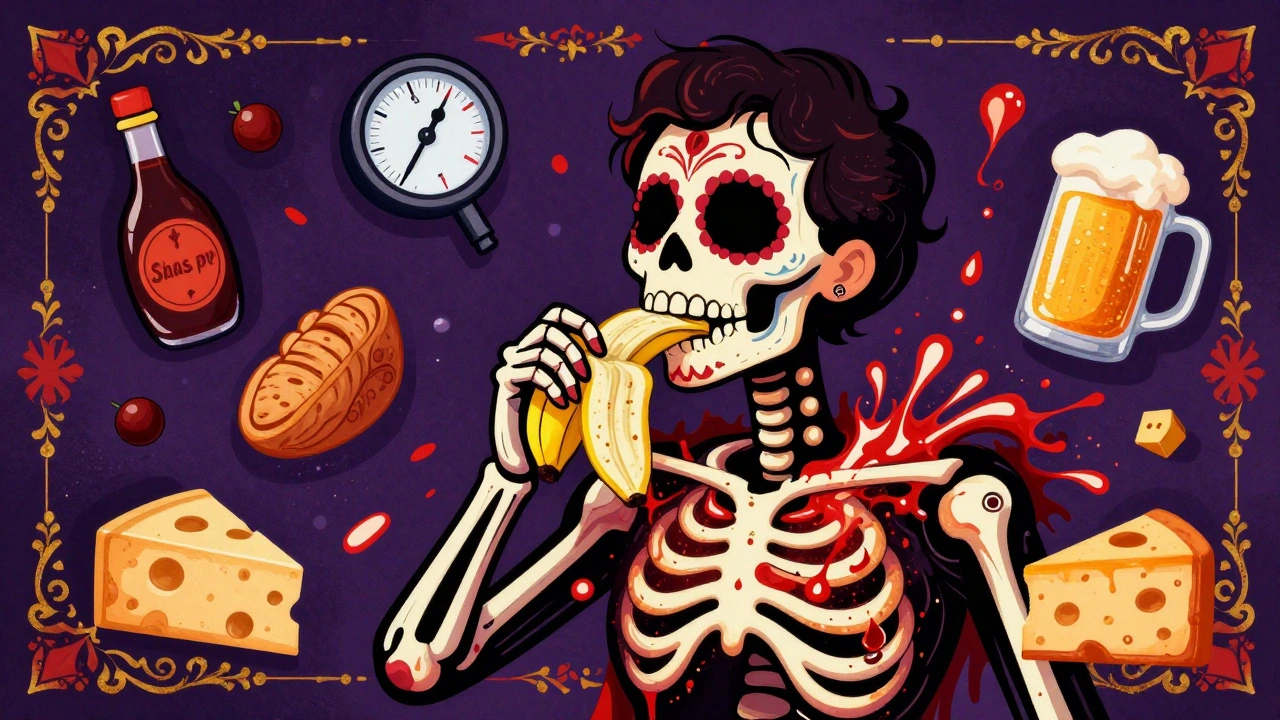
Your body normally breaks down tyramine using an enzyme called monoamine oxidase-A (MAO-A), mostly in your gut and liver. MAOIs block this enzyme completely. Without it, tyramine builds up in your bloodstream. Once it hits a certain level-just 10 to 25 milligrams-it triggers a surge of norepinephrine, your body’s natural stress hormone. That causes your blood pressure to rocket upward. Systolic pressure can jump over 180 mmHg. That’s not just a headache. That’s a hypertensive crisis: pounding headache, chest pain, blurred vision, nausea, and sometimes stroke or internal bleeding.Which Foods Are the Biggest Risks?
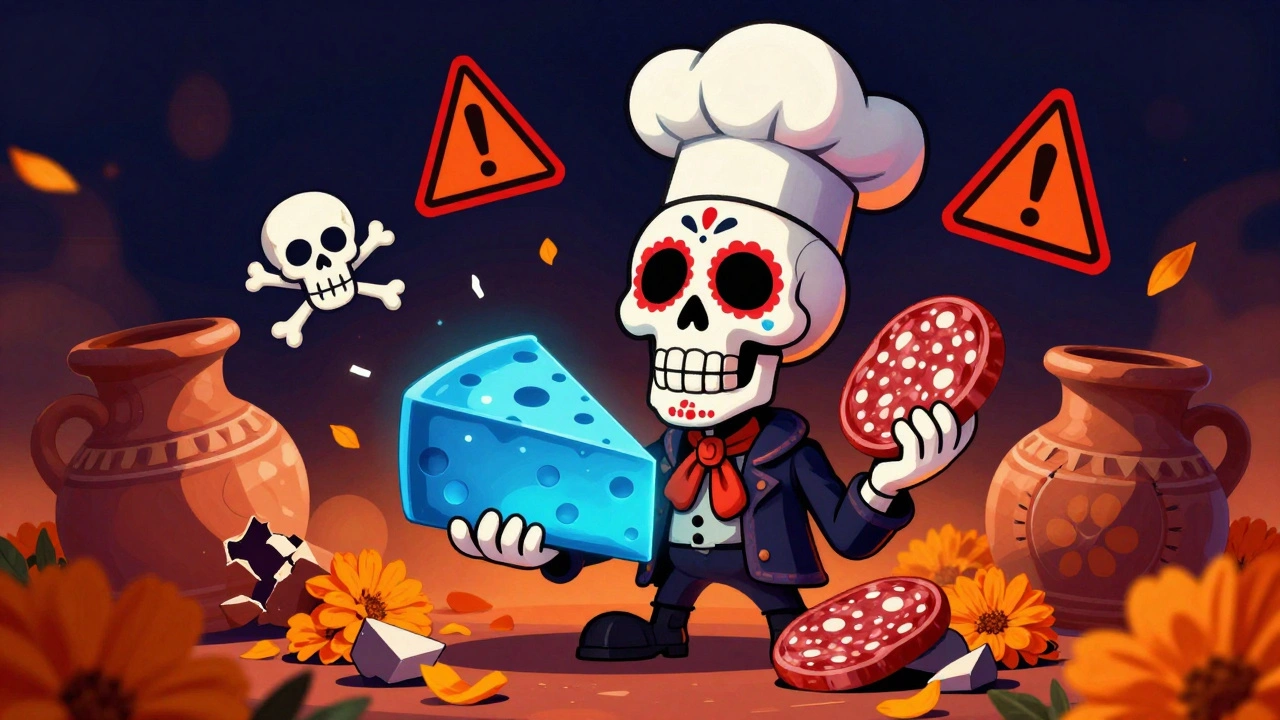
Not all foods are equal when it comes to tyramine. The amount depends on how long the food has been aged, fermented, or spoiled. Fresh foods are usually safe. The danger comes from things that have been sitting around, curing, or fermenting.- Aged cheeses: Cheddar, Swiss, blue cheese, Parmesan, and feta can contain 50 to 400 milligrams of tyramine per 100 grams. One slice of aged cheddar? About 30 mg. A small wedge of blue cheese? Could be over 100 mg.
- Dried, cured, or smoked meats: Salami, pepperoni, summer sausage, and corned beef are loaded. One ounce of salami can have 50 mg of tyramine. That’s more than the safe limit for a single meal.
- Fermented soy products: Traditional soy sauce, miso, and tempeh are high. One tablespoon of soy sauce? Around 15 mg. Homemade or imported versions can be worse-some contain up to 500 mg per 100 ml. Stick to low-sodium, commercially processed soy sauce if you must use it.
- Tap beer and draft beer: These contain 10 to 30 mg per 100 ml because they’re unfiltered and unpasteurized. Bottled or canned beer is usually safe in moderation.
- Overripe fruits: Bananas, avocados, and figs are fine when fresh. But once they’re mushy or brown-spotted, tyramine levels climb. An overripe avocado can hit 10 mg per 100 grams.
- Fermented or spoiled foods: Leftovers older than 24 hours, spoiled yogurt, or anything that smells off should be thrown out. Tyramine builds up fast in rotting food.
What’s Actually Safe to Eat?
You don’t have to give up all flavor or nutrition. Many common foods are low in tyramine and safe to eat.- Fresh meats, poultry, and fish (not cured or aged)
- Most fresh vegetables (except fava beans, which are high)
- Fresh or pasteurized cheeses like cottage cheese, ricotta, mozzarella, and cream cheese
- Commercially processed bread, pasta, rice, and cereals
- Most fruits (except overripe ones)
- Decaffeinated coffee and tea
- Wine and distilled spirits in moderation (one drink per day)
Not All MAOIs Are the Same
This is where things get clearer. Not every MAOI forces you to live on plain chicken and rice. The transdermal patch form of selegiline (Emsam), for example, delivers the drug through your skin, bypassing your gut. At the lowest dose (6 mg/24 hours), it doesn’t block the MAO-A enzyme in your digestive tract. That means you can eat most foods without risk. Even at higher doses, restrictions are much looser than with older pills. Similarly, moclobemide is a reversible MAOI. It lets your body break down tyramine if you eat too much, making it far safer. But phenelzine and tranylcypromine? They bind permanently to the enzyme. Your body has to grow new enzymes-this takes two to four weeks. That’s why the dietary rules are strict and non-negotiable for these.Other Hidden Dangers
It’s not just food. Many over-the-counter medicines can also trigger a crisis.- Decongestants like pseudoephedrine (Sudafed) and phenylephrine
- Cough syrups with dextromethorphan
- Herbal supplements like St. John’s Wort, ginseng, or yohimbine
- Weight loss pills and energy boosters
What to Do If You Accidentally Eat Something Risky
If you eat aged cheese or salami and start feeling a pounding headache, chest tightness, or your heart racing, don’t wait. Call 999 or go to the nearest emergency room. This isn’t something you can treat at home. The longer you wait, the higher the risk of stroke or brain bleed. Keep an MAOI alert card in your wallet. It tells paramedics you’re on a medication that can’t mix with certain foods or drugs.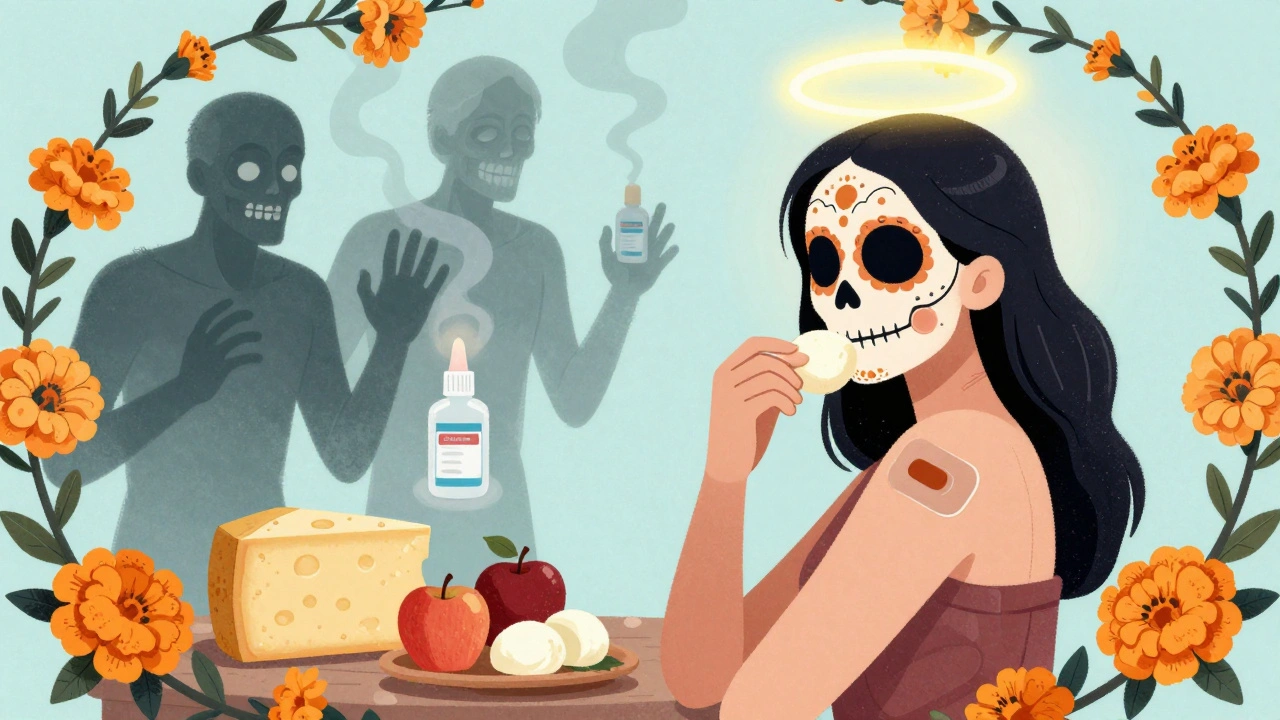
How Long Do Restrictions Last?
You can’t just stop the MAOI and go back to your old diet. The enzyme inhibition lasts for weeks. Even after you stop taking the pill, your body needs two to four weeks to make new MAO-A enzymes. During that time, tyramine is still dangerous. That’s why doctors tell you to keep avoiding high-tyramine foods for at least 14 days after your last dose-and often longer.Why Are MAOIs Still Used?
They’re not the first-line treatment anymore. Only about 2% of people in the U.S. take them. But for some, they’re the only thing that works. People with treatment-resistant depression, atypical depression (with oversleeping, overeating, and mood reactivity), or severe anxiety often respond well. Newer forms like the Emsam patch have made them safer and more practical. In 2023, 75% of all MAOI prescriptions were for the patch. That number is rising.Final Advice: Be Precise, Not Scared
Don’t panic. This isn’t about living on a bland diet forever. It’s about knowing the limits. One slice of cheddar? Maybe okay. A whole wedge? Not worth the risk. One tablespoon of soy sauce? Probably fine. A cup of miso soup? Skip it. Work with your doctor or pharmacist. Ask for a printed list of safe and unsafe foods with tyramine amounts. Many hospitals and clinics have them. Use apps that track tyramine content. Read labels. When in doubt, don’t eat it. MAOIs can change your life. But they demand respect. With the right knowledge, you can take them safely-and live well.Can I drink wine while taking MAOIs?
Yes, in moderation. Most wines, including Chianti, contain 10 to 20 mg of tyramine per 100 ml. One glass (about 150 ml) is generally safe. Avoid tap beer, which can have 10-30 mg per 100 ml. Stick to bottled or canned beer, and never drink more than one drink per day.
Is aged cheese always dangerous with MAOIs?
Yes, unless you’re on a low-dose transdermal selegiline patch. Aged cheeses like cheddar, blue, and Swiss can contain 50-400 mg of tyramine per 100 grams. Even a small portion can trigger a dangerous blood pressure spike. Fresh cheeses like mozzarella or cottage cheese are safe.
What happens if I accidentally eat high-tyramine food?
You may develop a sudden, severe headache, chest pain, rapid heartbeat, nausea, or blurred vision. This is a hypertensive crisis. Call 999 or go to the emergency room immediately. Don’t wait. This can lead to stroke or brain hemorrhage if untreated.
Can I take over-the-counter cold medicine with MAOIs?
No. Avoid decongestants like pseudoephedrine and phenylephrine. They can cause a dangerous spike in blood pressure when combined with MAOIs. Use saline sprays or ask your doctor for safe alternatives like antihistamines (e.g., loratadine).
How long do I need to avoid high-tyramine foods after stopping MAOIs?
At least 14 days, and sometimes up to four weeks. Irreversible MAOIs like phenelzine permanently block enzymes. Your body needs time to make new ones. Until then, tyramine remains dangerous. Always check with your doctor before returning to your normal diet.
Are there any MAOIs that don’t require dietary restrictions?
Yes. The transdermal selegiline patch (Emsam) at the lowest dose (6 mg/24 hours) doesn’t block the enzyme in your gut, so dietary restrictions are minimal. At higher doses, some restrictions still apply. Moclobemide, a reversible MAOI, is also safer and allows more flexibility.
Can I eat soy sauce on MAOIs?
Only low-sodium, commercially processed soy sauce in small amounts-no more than one tablespoon per meal. Traditional or fermented soy sauce can contain up to 500 mg of tyramine per 100 ml. Always check the label. If it says "naturally brewed," avoid it.
Is it safe to eat avocados on MAOIs?
Yes, if they’re fresh and not overripe. A ripe avocado has about 0.5-3 mg of tyramine per 100 grams, which is safe. But if it’s mushy or brown-spotted, tyramine levels can jump to 10 mg per 100 grams. When in doubt, skip it.


There are 13 Comments
Geraldine Trainer-Cooper
if i die, i die
life's too short for cheese anxiety
Kenny Pakade
Brooke Evers
Nigel ntini
Ashish Vazirani
Mansi Bansal
Kay Jolie
pallavi khushwani
Dan Cole
Billy Schimmel
Shayne Smith
Jackie Petersen
Annie Gardiner
Write a comment
Your email address will not be published. Required fields are marked *