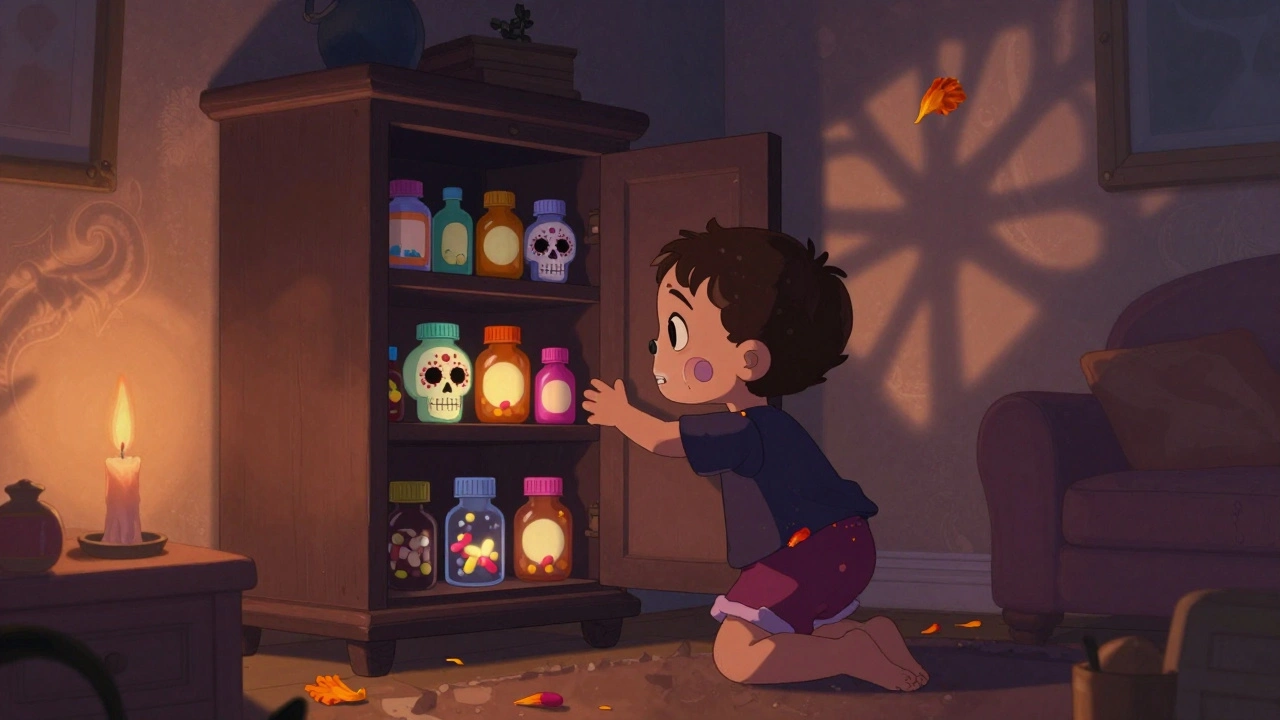
Every year, over a million children under six in the U.S. are exposed to medications they weren’t supposed to take. Most of these cases aren’t dramatic-no screaming, no visible chaos. Just a child who got into the medicine cabinet while Mom was on the phone, or a parent who mixed up two bottles of liquid medicine thinking they were the same. But behind that quiet mistake is a ticking clock. The difference between a full recovery and permanent damage often comes down to one thing: knowing when to act.
What Does a Medication Overdose Look Like in a Child?
There’s no single sign. A child’s reaction depends on the drug, the dose, their weight, and their age. A toddler who swallows half a pill of ibuprofen might just seem sleepy. A child who takes a whole bottle of ADHD medication might be shaking, sweating, and yelling at invisible things. That’s why you can’t wait for a textbook reaction.For opioids-like oxycodone, hydrocodone, or fentanyl-the warning signs are clear and urgent:
- Pupils that look like pinpricks
- Unresponsive to loud voices or shaking
- Slow, shallow, or stopped breathing
- Skin that’s cold, clammy, or turning blue around the lips or fingernails
- A gurgling or choking sound, like they’re drowning but still awake
- A body that goes completely limp
If you see even one of these, don’t wait. Call 911 immediately. Fentanyl is especially dangerous-it’s 50 to 100 times stronger than morphine, and even a tiny amount can stop breathing in seconds. In some cases, it’s mixed into other pills that look like regular painkillers or ADHD meds. If you suspect fentanyl, and you have naloxone (Narcan), give it right away. One dose. Wait two to three minutes. If no improvement, give another. Don’t wait for EMS to arrive.
Acetaminophen (Tylenol) is trickier. It doesn’t make kids act weird right away. They might seem fine for 6, 12, even 24 hours. But inside their liver, damage is already spreading. By the time they vomit, look yellow, or start bleeding from their gums, it’s too late for simple fixes. The Cleveland Clinic says if you give the antidote, N-acetylcysteine (NAC), within 8 hours of ingestion, it’s nearly 100% effective. After 16 hours, it drops to 40%. That’s why you call poison control even if your child looks perfectly normal after swallowing a few extra drops of infant Tylenol.
Stimulant overdoses-from Adderall, Ritalin, or even cough syrups with pseudoephedrine-look completely different:
- Fast, irregular heartbeat
- High fever, flushed skin
- Severe agitation, hallucinations, or paranoia
- Seizures or uncontrollable shaking
- Extreme confusion or loss of coordination
These kids aren’t sleepy-they’re wired, panicked, sometimes violent. Their body is overheating. This can lead to heart attack or stroke, even in young children. Don’t try to calm them down with talk. Get help now.
And don’t forget the quiet ones: cough and cold medicines. Many contain diphenhydramine (Benadryl), dextromethorphan, or pseudoephedrine. A teaspoon too much can cause hallucinations, rapid heartbeat, or seizures. A tablespoon too much can stop breathing. Parents often think, “It’s just a cold medicine,” but the line between safe and dangerous is razor-thin.
When to Call Poison Control (and When to Call 911)
This is the most critical decision you’ll ever make about your child’s medicine.Call Poison Control at 1-800-222-1222 if:
- You think your child took any medicine they weren’t supposed to
- You’re not sure how much they took
- They seem fine but you’re worried
- You’re unsure whether it’s an emergency
Don’t wait for symptoms. Don’t Google it. Don’t ask a friend. Call Poison Control. They have toxicologists on standby 24/7. They’ll ask you the name of the medicine, how much was taken, your child’s weight, and age. Then they’ll tell you exactly what to do next. Sometimes, they’ll say, “Watch for vomiting.” Other times, they’ll say, “Go to the ER now.” They know the latest data, the exact treatment windows, and the hidden risks in combination products.
For example: 70% of acetaminophen overdoses in kids happen because parents give two medicines that both contain it-like a cold syrup and a pain reliever. Poison Control knows this. They’ll check the ingredients and tell you if you’ve doubled the dose.
Call 911 immediately if your child has any of these:
- Not waking up or responding to you
- Not breathing or breathing very slowly
- Blue or gray lips or skin
- Seizures or uncontrollable shaking
- Swelling of the face, lips, or tongue
- Severe chest pain or rapid heartbeat
These are not “wait-and-see” situations. These are cardiac or respiratory arrests waiting to happen. While you wait for paramedics, if you’re trained, start rescue breathing. If you have naloxone and suspect opioids, use it. Every minute counts.
Why Waiting Is the Biggest Mistake
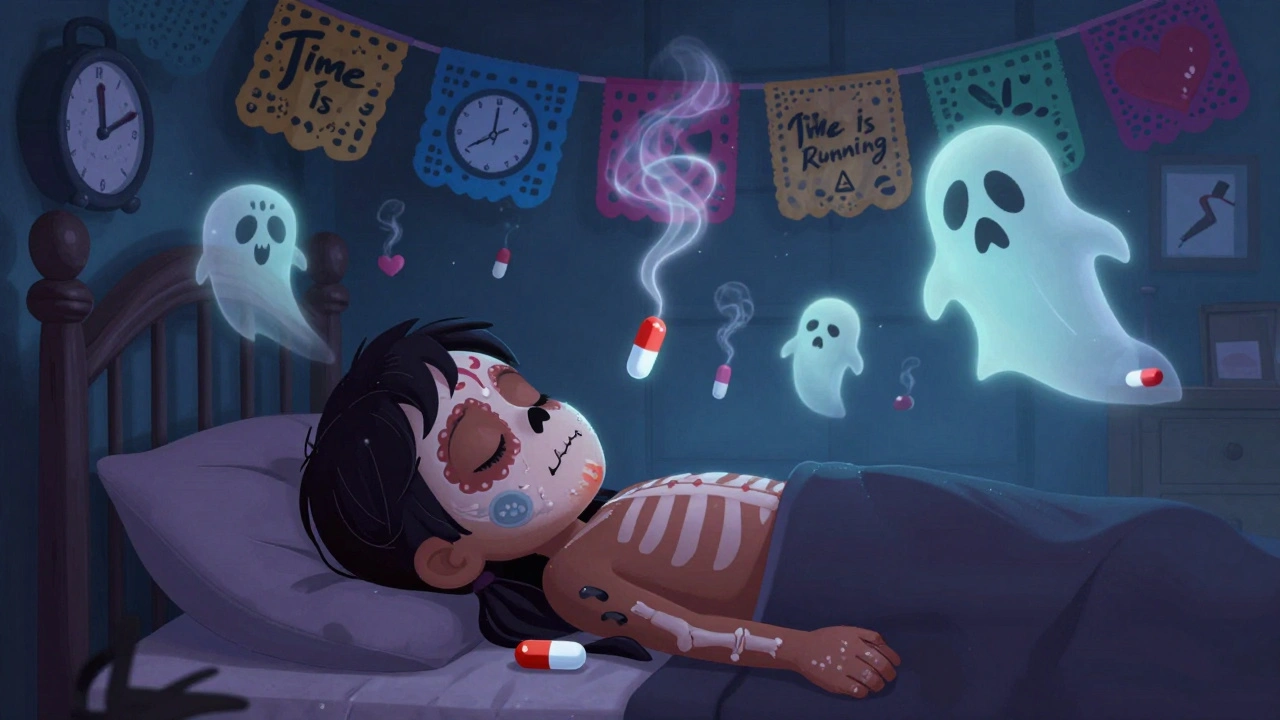
Parents often delay because they think, “They’re just sleepy,” or “They’ll throw up and be fine.” Or worse: “I don’t want to overreact.” But here’s what happens when you wait:- Acetaminophen: Liver failure starts silently. By the time jaundice appears, it’s too late for a simple antidote. The child may need a transplant.
- Opioids: Brain damage from lack of oxygen can happen in under 5 minutes. Permanent disability or death follows.
- Stimulants: A fever over 107°F can cause organ failure. Seizures can lead to brain injury.
The American Academy of Pediatrics says pediatric medication overdose is one of the top causes of preventable death in children under five. And the numbers are rising. Between 2018 and 2022, over 1,500 children died from medication poisoning in the U.S. That’s a 24% increase from the previous five years.
What’s driving it? More meds in the home. More multi-drug regimens. More counterfeit pills. More opioid contamination in other drugs. And, sadly, more parents who don’t realize how quickly things can go wrong.
Prevention: How to Keep Medicines Out of Reach
You can’t control everything. But you can control the medicine cabinet.- Lock it. Not just close it. Use a childproof lock or a cabinet with a key. The CDC says 60% of poisonings happen in the child’s own home.
- Never call medicine “candy.” Even jokingly. Kids learn fast. If you say, “This is for your cough,” they hear, “This is something I can eat.”
- Use the measuring device that comes with the medicine. Never use a kitchen spoon. A teaspoon is not a milliliter. A tablespoon is not a dose. Dosing errors are the #1 reason for accidental overdose.
- Check every bottle for acetaminophen or ibuprofen. If you’re giving two medicines, make sure they don’t have the same active ingredient. That’s how overdoses happen.
- Dispose of old meds. Don’t keep expired or unused pills in drawers. Use a drug take-back program or mix them with coffee grounds and throw them in the trash.
Even with all these steps, 20% of poisonings still happen with child-resistant packaging. Kids are smart. They find ways. That’s why the best protection is constant vigilance.
What Happens After You Call
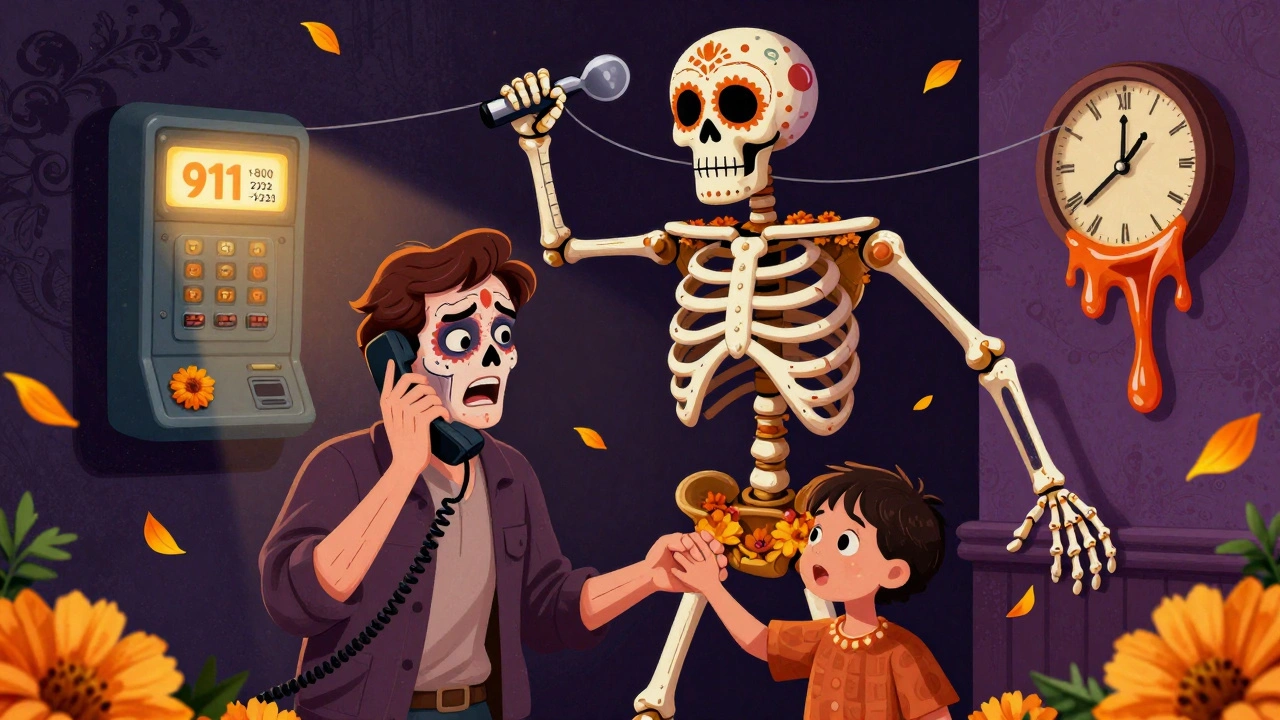
If you call Poison Control, they’ll guide you through what to do next. Most of the time, they’ll tell you to monitor your child at home. But they’ll give you exact signs to watch for and when to come in.If you go to the ER, they’ll check vital signs, run blood tests, and give antidotes if needed. For acetaminophen, they’ll give NAC through an IV. For opioids, they’ll give naloxone. For stimulants, they’ll cool the body, calm the heart, and watch for seizures.
And if you used the new webPOISONCONTROL® tool? You’ll get an instant, personalized plan emailed to you. Over 120,000 families used it in its first year. It’s free, fast, and backed by real toxicologists.
What You Need to Remember
- Don’t wait for symptoms. If you think your child took too much medicine, call Poison Control now. - Don’t assume it’s safe. Even one extra pill can be deadly. - Don’t rely on “childproof” packaging. Lock it up. - Don’t guess the dose. Use the tool that came with the medicine. - Don’t be afraid to call. Poison Control doesn’t judge. They help.Every second matters. A child who gets help within 8 hours of an acetaminophen overdose has a 99% chance of full recovery. One hour later, that drops. Two hours later, it drops again. There’s no second chance to get it right.
What should I do if my child swallowed a pill but seems fine?
Call Poison Control at 1-800-222-1222 immediately-even if your child seems fine. Many dangerous overdoses, especially with acetaminophen or opioids, have no immediate symptoms. The damage can be happening inside their body without any outward signs. Poison Control will ask for details about the medicine and your child’s weight and age, then tell you exactly what to do next. Don’t wait to see if they get sick.
Can I just wait and see if my child vomits?
No. Vomiting doesn’t remove all the medicine from the body, and it doesn’t prevent damage. For example, acetaminophen can cause irreversible liver damage within hours, even if the child vomits right away. Opioids can stop breathing before vomiting occurs. Waiting for vomiting is dangerous. Always call Poison Control or 911 instead.
Is it safe to give my child syrup of ipecac to make them throw up?
No. Syrup of ipecac is no longer recommended for any type of poisoning. It doesn’t reliably remove toxins and can cause more harm, especially if the child has swallowed a corrosive substance or an opioid. It can also make it harder for doctors to treat them properly. Always follow the advice of Poison Control or emergency responders.
How do I know if a medicine contains acetaminophen?
Look for “acetaminophen” on the label-it’s also listed as “APAP” on some products. Many cold, flu, and pain medicines contain it, including children’s Tylenol, Excedrin, NyQuil, and some cough syrups. Always check the active ingredients list before giving more than one medicine. Never combine two products that both have acetaminophen, even if they’re for different symptoms.
Can I use a regular kitchen spoon to measure liquid medicine?
Never. A kitchen teaspoon holds between 3 and 7 milliliters-far more than the standard 5 mL dose. A tablespoon can hold up to 15 mL, which could be three times the correct dose. Always use the measuring cup, syringe, or dropper that came with the medicine. If you lost it, ask your pharmacy for a new one. They’ll give it to you for free.
Is it true that fentanyl is in other kids’ medicines?
Fentanyl isn’t in legitimate children’s medicines-but it’s increasingly found in counterfeit pills sold as oxycodone, Adderall, or Xanax. These pills are often bought online or passed around by teens. If your child is taking any medication not prescribed to them, or if you find unlabeled pills in their room, assume they could contain fentanyl. Test strips are available for adults, but the best protection is locking up all medications and talking to your child about the dangers of taking unknown pills.
What should I do if I find a child who’s unresponsive and I don’t know what they took?
Call 911 immediately. Check if they’re breathing. If not, start rescue breathing. If you have naloxone and suspect opioids (signs: slow breathing, blue lips, pinpoint pupils), give one dose. Even if you’re unsure, naloxone is safe to give-it won’t harm a child who didn’t take opioids. While waiting for help, keep them warm and on their side. Don’t try to give them water, food, or anything else. Just stay with them until help arrives.

There are 12 Comments
Katherine Chan
Just read this and my heart dropped. I had no idea acetaminophen could do silent damage like that. I’ve given my toddler Tylenol with a cold syrup before thinking it was fine. I’m deleting that syrup tonight and buying a lock for the cabinet. Thanks for this.
Philippa Barraclough
The detail about fentanyl being mixed into counterfeit ADHD meds is terrifying. I’ve seen parents in my neighborhood give their kids Adderall from a friend’s prescription because it’s ‘easier than therapy.’ No one realizes these pills could be laced with something lethal. This isn’t just about accidental overdoses anymore-it’s about the black market creeping into our homes.
Tim Tinh
omg i just realized my 4yo knows where the ibuprofen is. i thought the childproof cap was enough. nope. got a lock today. also, i used a spoon once. shame. never again. thanks for the wake up call.
Olivia Portier
My sister works ER and says the most heartbreaking cases are the ones where parents waited because they didn’t want to ‘make a fuss.’ You’re not overreacting if your gut says something’s wrong. Poison Control doesn’t care if you’re wrong-they’re glad you called. I’ve sent this to every parent group I’m in. Please share it.
om guru
Medication safety is not a matter of convenience but of discipline. The human body responds to chemical exposure with precision. Errors in dosage are not minor oversights but biological catastrophes waiting to unfold. Lock cabinets. Use calibrated tools. Never assume. Vigilance is the only true safeguard.
Asset Finance Komrade
Interesting how society treats medicine like candy yet expects children to be rational actors. We design childproof packaging as if the problem is mechanical rather than developmental. The real issue is our cultural normalization of pharmaceutical use. Why do so many households keep 17 different bottles of pills? The answer isn’t locks-it’s systemic overmedication.
Jennifer Blandford
I cried reading this. My cousin’s 3-year-old died last year from a Tylenol overdose. They thought ‘a few extra drops’ wouldn’t hurt. They didn’t know about the liver damage. I’m putting this on my fridge. I’m telling everyone. We need to stop pretending this doesn’t happen to ‘other people.’
Brianna Black
As a pediatric nurse, I see this every month. Parents feel guilty. They don’t need guilt. They need clear, actionable steps. This post gives them that. Please, if you’re reading this and have kids under six-lock the meds. Use the syringe. Call poison control. Even if they seem fine. You’re not being paranoid. You’re being a parent.
Ryan Brady
USA is so dumb. We give kids medicine like it’s candy and then act shocked when they get hurt. In my country, you’d be locked up for leaving pills lying around. This is why we need stricter laws. Not just education.
Tiffany Sowby
Ugh. Another guilt-trip article. Like we don’t already feel bad enough. I’m a single mom working two jobs. I don’t have time to lock every cabinet. Maybe if the system didn’t fail us, we wouldn’t be in this mess.
Stacy Tolbert
My kid took a whole bottle of melatonin last year. We didn’t call 911. We just watched him sleep it off. He was fine. So… is this fearmongering?
Raja Herbal
So we’re supposed to believe a 2-year-old can’t open a childproof cap but can somehow find the key to the locked cabinet? Maybe the real problem is giving kids medicine at all.
Write a comment
Your email address will not be published. Required fields are marked *