Rifampin Safety & Timeline Planner
Step 1: Your Situation
The day you will take your final pill.
Critical Warning
Your hormonal birth control will NOT work effectively while taking Rifampin.
Immediate Actions Required
- REQUIRED Start using backup contraception (like condoms) immediately.
- OPTIONAL If possible, switch to non-hormonal Copper IUD.
- MONITOR Watch for spotting or mid-cycle bleeding.
When Can You Return to Normal?
Rifampin stays in your system longer than just the last pill dose. Your liver needs time to reset.
Treatment Phase
From Now (or Start Date) until your prescribed End Date.
From Now (or Start Date) until your prescribed End Date.
Reset Phase (Danger Zone)
The 28 days following your last dose.
The 28 days following your last dose.
Safe Resumption Date
Starting on ---, your hormonal birth control should work normally again IF you have used backup protection consistently since starting Rifampin.
Starting on ---, your hormonal birth control should work normally again IF you have used backup protection consistently since starting Rifampin.
The Hidden Danger of Mixing Rifampin and Birth Control
If you are taking hormonal contraceptives, there is one specific antibiotic that acts differently than the rest. Most antibiotics play nicely with your daily pill. But rifampin does not. This interaction is serious enough to cause ovulation even when you take your birth control perfectly. It changes how your body processes estrogen and progestin.
You might think a prescription for an infection clears this hurdle easily. In reality, combining these two creates a scenario where standard birth control fails. This isn’t a rare side effect. Medical evidence shows it happens frequently enough to require strict warnings. We need to talk about why this happens and exactly what you should do instead.
What Actually Happens Inside Your Body
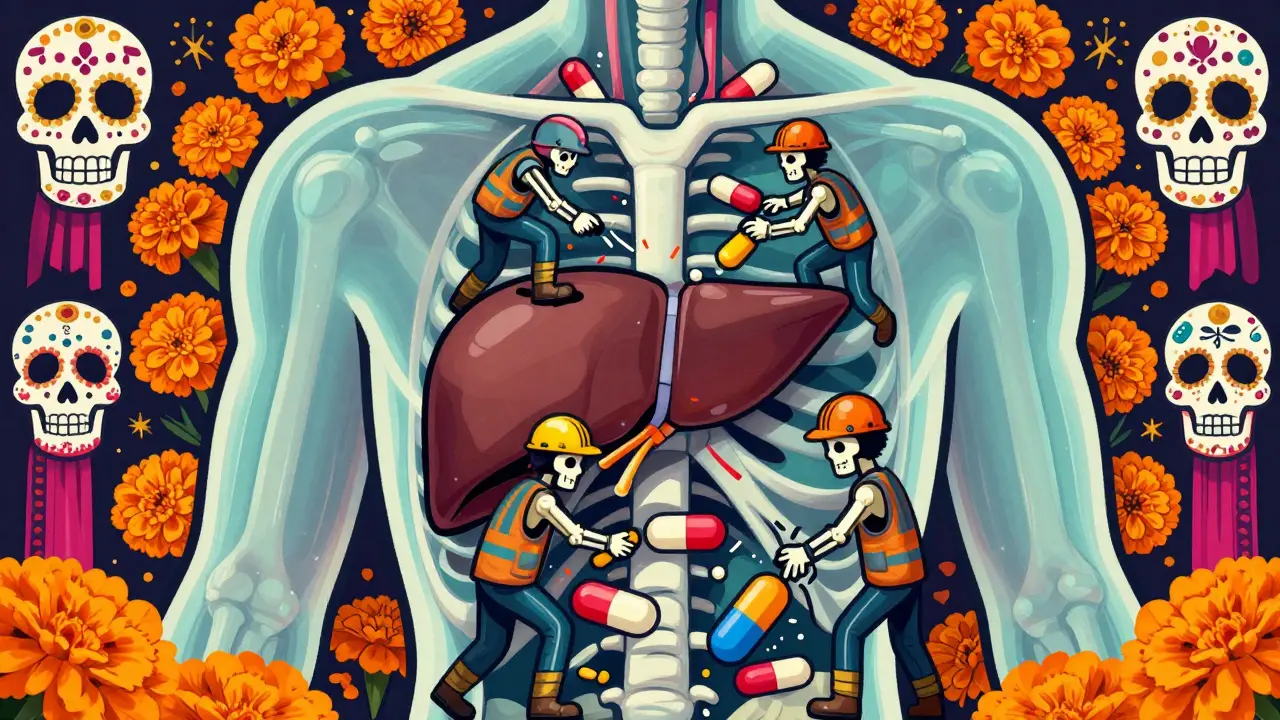
To understand the risk, we need to look at the liver. When you take Rifampin is a powerful antibiotic medication, it triggers a specific response in your digestive system. Specifically, it activates enzymes known as cytochrome P450. These enzymes act like cleanup crews for drugs in your bloodstream.
Normally, your body keeps hormone levels steady enough to stop egg release. When rifampin enters the picture, it speeds up those cleanup crews. They start breaking down estrogen and progestin much faster than intended. This process is called enzyme induction. A 2024 systematic review from the National Institutes of Health confirms that rifampin reduces exposure to contraceptive hormones significantly. In five out of five studies, blood levels dropped drastically.
| Hormone Type | Reduction Percentage (Range) | Clinical Impact |
|---|---|---|
| Ethinyl Estradiol | 42-66% decrease | Faster clearance from blood |
| Progestin Exposure | 30-83% decrease | Potential loss of ovulation suppression |
This isn’t a minor fluctuation. The minimum concentration required to prevent ovulation drops below safety thresholds. Once that threshold is crossed, an egg can release. That release leads to the possibility of pregnancy. Even if you never miss a dose, the chemical change in your liver makes the pill ineffective.
Rifampin Versus Other Antibiotics
Many people worry about all antibiotics reducing birth control strength. There is a myth floating around that penicillin causes the same problem. This is largely incorrect based on current evidence. Rifampin stands alone as the primary offender here. The American Academy of Family Physicians notes that rifampin is the only antibiotic with well-documented proof of this specific risk.
Other common antibiotics like amoxicillin or azithromycin do not trigger the same heavy enzyme activity. While some older advice suggested caution with all antibiotics, modern data separates rifampin as unique. Even other drugs in the same family, like rifabutin, show less impact. However, the difference between rifampin and non-rifamycin drugs is stark. One guarantees reduced effectiveness; the others generally do not.

Real-World Pregnancy Risks
Why does this matter beyond chemistry numbers? Because unintended pregnancies happen. The Centers for Disease Control and Prevention classify this combination as a “Category 3” interaction. In plain English, that means the risks outweigh the benefits of continuing your hormonal method without backup. Historical case reports from the 1970s first identified this issue, but it remains a critical warning today.
User stories reinforce the data. On patient support forums, women have reported becoming pregnant despite perfect adherence to their pill schedule while on rifampin treatment for tuberculosis. For example, a survivor shared a story on a health forum about getting pregnant on Ortho Tri-Cyclen during TB therapy. Their doctor confirmed the rifampin interaction was the cause. Conversely, nursing professionals note they rarely see failures with other antibiotics. This specificity highlights why you must focus on rifampin specifically.
Managing the Interaction Safely
So, what do you do if you need this medication? You cannot ignore the risk. The standard recommendation involves using a secondary barrier method immediately. You should use condoms every time you have sex throughout the entire course of the rifampin prescription.
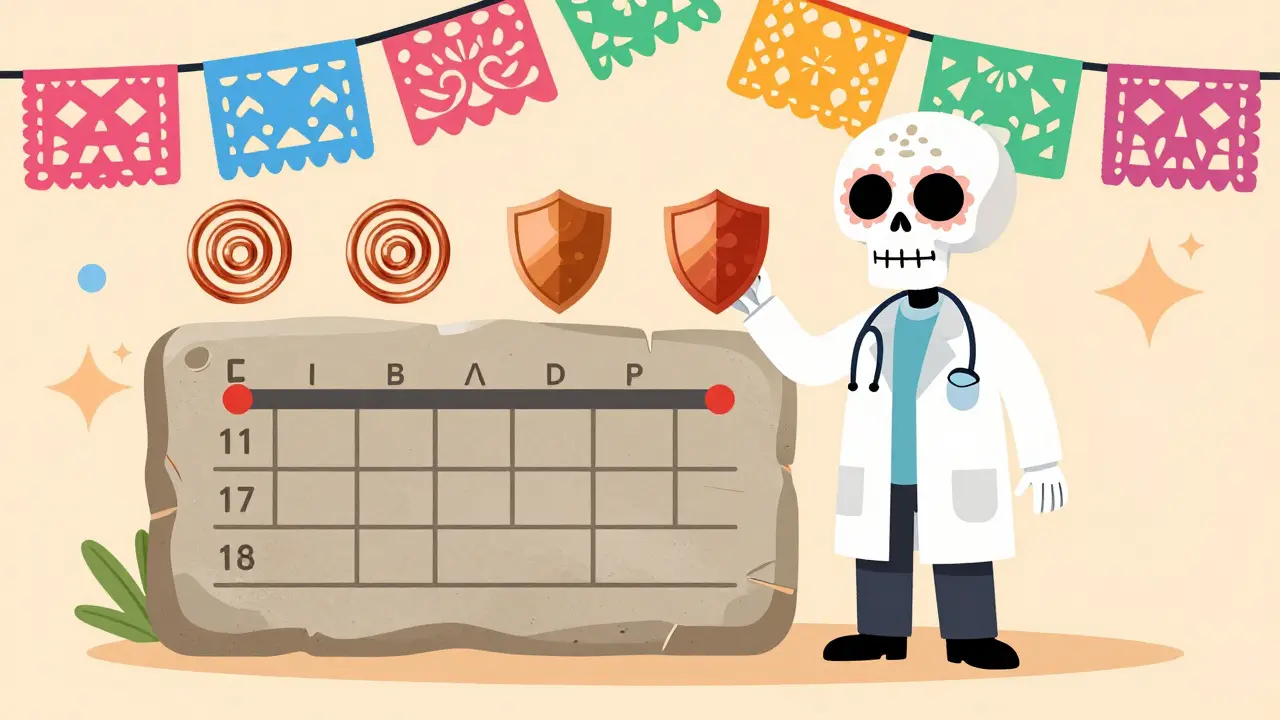
Timing is crucial here too. The effect does not stop the moment you swallow the last pill. Your liver takes time to reset its enzyme production speed. Guidelines state you need this backup protection for 28 days after stopping the antibiotic. This waiting period ensures your hormone levels stabilize back to normal ranges again.
If you have the option to switch methods entirely, consider non-hormonal alternatives. A copper IUD works mechanically rather than chemically, so it ignores the liver’s enzyme changes completely. Progestin-only implants might also be safer depending on the specific formulation, though some experts suggest switching entirely to barrier methods or intrauterine devices until the treatment concludes.
Guidelines and Expert Recommendations
Professional bodies are very clear on this stance. The World Health Organization issued warnings regarding this interaction as far back as 1988. Those warnings remain active because the mechanism hasn’t changed. More recently, the Clinical Guideline from 2022 explicitly states that enzyme inducers affect exposure to contraceptive hormones. This affects both effectiveness and safety.
In the UK and globally, clinicians follow similar paths. If you are prescribed rifampin for tuberculosis or leprosy, your prescriber knows this interaction. They should discuss it with you. If they haven’t, you should ask specifically about birth control failure. It is a standard part of informed consent for prescribing this specific drug class.
When to Contact Your Doctor
There are specific signs that warrant an immediate conversation with your provider. First, if you miss a period while using oral contraception and rifampin. Second, if you experience breakthrough bleeding mid-cycle. Bleeding often signals that hormone levels have dipped too low.
Don’t wait until you feel symptoms of pregnancy. Take a test early if you suspect anything is wrong. Early detection matters if you need to adjust your plan quickly. Your doctor might recommend higher doses in certain emergency cases, though higher doses aren’t always the answer compared to switching methods entirely.
Can I take rifampin with the birth control pill?
You can physically take them together, but they do not mix safely for pregnancy prevention. Taking them together will likely reduce the effectiveness of your contraceptive pill to near zero due to liver enzyme induction.
How long does the rifampin effect last after stopping?
The effect lasts beyond the last dose. You must continue using backup contraception, such as condoms, for 28 days after you finish your antibiotic prescription to ensure your metabolism returns to normal.
Is rifampin the only antibiotic that affects birth control?
Yes, rifampin is the only antibiotic with proven, strong evidence of reducing hormonal contraceptive efficacy. Other common antibiotics like penicillin do not typically interfere with hormone levels in the same way.
What is the best alternative to pills during rifampin treatment?
A copper IUD is often recommended because it does not rely on hormones. Barrier methods like condoms are also essential backup if you choose to stay on hormonal methods during this temporary period.
Does rifabutin interact the same way?
Rifabutin has a lesser effect than rifampin, but some interactions are still possible. It is generally safer than rifampin, but caution is still advised as it belongs to the same class of drugs.



There are 12 Comments
Cameron Redic
Most people ignore this because they think their doctors know everything when they clearly do not. You would think a standard antibiotic warning would be enough without digging into liver enzymes. People just want to get better without thinking about the hormonal fallout that comes next. It takes a village to manage these side effects even though nobody wants to talk about birth control. The real issue is that pharmacies often skip this conversation entirely during pick up.
Kendell Callaway Mooney
I always keep extra condoms in my bag whenever I take any kind of medication that changes my system. It really helps to have a backup plan ready before you even leave the doctor office. My cousin had trouble last year and we had to switch methods completely for safety. Just checking the labels is usually enough to spot these dangerous combinations quickly.
Carolyn Kask
It is amazing how many women still trust those little pills after reading something like this on the internet. You can blame your own negligence instead of blaming the medical industry for not explaining things better. We live in a world where prevention is optional and consequences are permanent so choose wisely.
Katie Riston
The concept of chemical dependency really highlights how fragile our biological systems actually are regarding external triggers. We spend so much time perfecting our health routines only to have one prescription undo weeks of careful management instantly. Enzymes in the liver are tiny machines that do not care about your schedule or your plans. When rifampin enters the bloodstream it acts like a thief stealing the hormones you rely on daily. It creates a vacuum where protection used to exist and leaves a gap that pregnancy can fill easily. People focus on the immediate illness rather than the secondary risks that follow treatment completion. History shows us that medical guidance often lags behind the actual pharmacological reality of these interactions. We must accept that our bodies react differently than the textbooks describe sometimes. The fear of failure is worse than the effort required to add a barrier method. It forces you to think about sex differently than usual during that recovery period. Your partner also becomes part of this safety protocol which changes the dynamic significantly. Communication becomes key when discussing why you cannot rely solely on the oral method anymore. Ignoring the enzyme induction process ignores the fundamental chemistry happening inside your cells every day. Trusting science means believing in the mechanism regardless of how inconvenient it feels for modern life. Prevention is always cheaper than the cost of raising a child unintentionally during a vulnerable time.
Charles Rogers
Preparation is the hallmark of responsible adults and ignoring warnings invites disaster upon oneself inevitably. Relying on a pill alone while taking powerful drugs shows a lack of foresight regarding basic biology. If you do not carry barriers you are gambling with outcomes that could ruin years of planning instantly. Everyone knows antibiotics affect absorption yet many act like they are immune to physics laws. Being prepared saves you from the shame of explaining to a partner why things went wrong later.
emma ruth rodriguez
Medical literature consistently warns against this specific interaction; thus, caution is mandatory! Patients must understand that efficacy drops drastically when liver enzymes accelerate metabolism rates unexpectedly! Doctors should emphasize this risk factor during every single consultation involving antitubercular therapy! Failure to do so results in potential unintended pregnancies which carry significant emotional weight! Awareness campaigns are needed to educate the public about cytochrome P450 inducers specifically!
Rick Jackson
The medical advice seems solid and worth sharing with friends immediately.
Beccy Smart
Sigh another thing to worry about while trying to stay healthy 😩💊🙅♀️ Honestly nobody talks about the TB meds messing with birth control until it happens 🤷♀️ Just make sure you have condoms ready if you need this drug 🛡️😬
sanatan kaushik
You make a good point about the lack of preparation in most cases. It does not help that people treat prescriptions like candy wrappers instead of serious chemicals. Stay safe out there and read the leaflets properly before you swallow anything. Don't let anyone tell you it is fine because your body will prove them wrong eventually. Keep the backups close just in case the science wins over your luck.
Jonathan Alexander
This story hits closer to home than I would have liked to realize today. Knowing the mechanics of it doesn't change the stress of managing two conflicting priorities simultaneously. I dread having to explain this to someone who relies on me for protection during sick days. The timeline for safety sounds ridiculous but probably necessary for peace of mind.
Biraju Shah
Fear keeps people awake when facts should keep them informed instead of panicked. You need to stop stressing and just buy a box of condoms to solve the problem permanently. Panic does nothing for your hormone levels while action actually prevents the outcome. Take control of your situation before the medicine starts working too well on your system. It is simple math regarding risk reduction and personal responsibility management.
Marwood Construction
Observation regarding personal responsibility aligns with clinical guidelines currently in place. It suggests that patient education remains a critical bottleneck in healthcare delivery systems worldwide. Further inquiry into pharmacy protocols might reveal gaps in current standard procedures regarding counseling. Documentation of these interactions is essential for future policy improvement efforts by regulatory bodies.
Write a comment
Your email address will not be published. Required fields are marked *