MAOI Food Safety Checker
Quick Guide: Use this tool to determine if a food is safe for someone taking Monoamine Oxidase Inhibitors. High Tyramine = High Risk
⚠️ Critical Safety Warning
URGENT
If you experience a severe headache at the back of your head, heart palpitations, or heavy sweating after eating these foods, seek immediate emergency medical attention. This may be a hypertensive crisis.
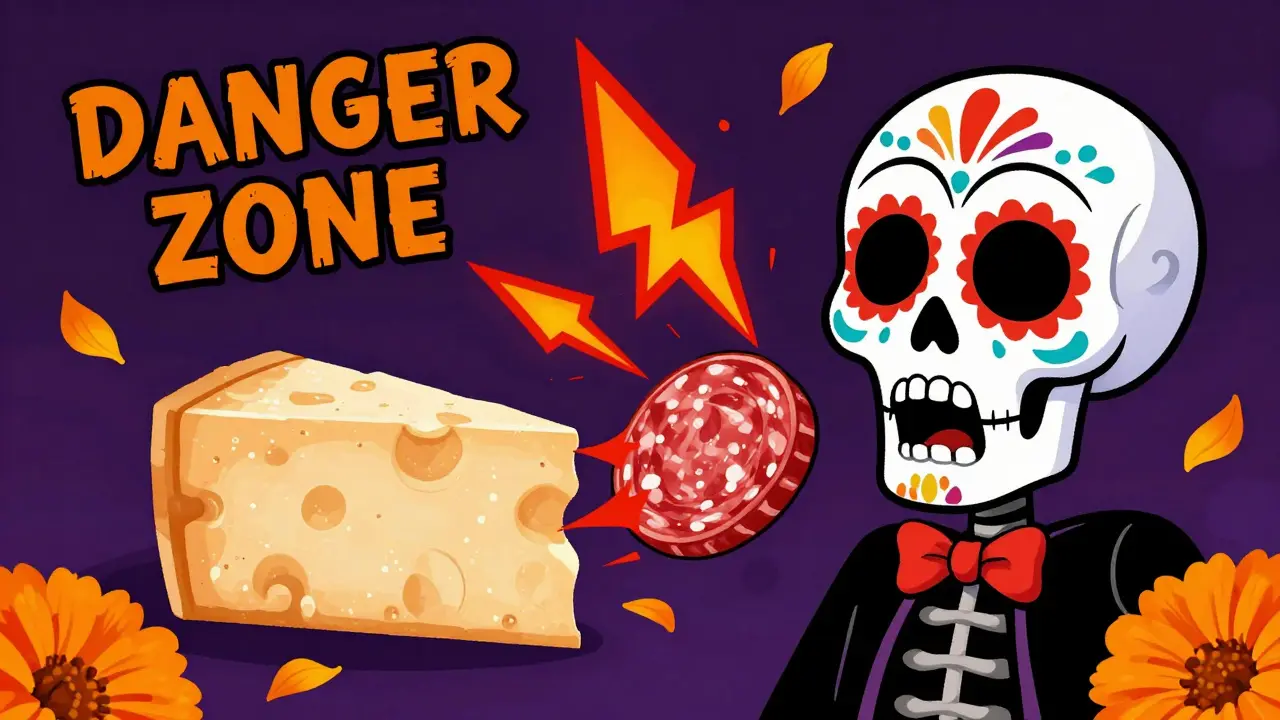
Imagine eating a simple slice of Parmesan cheese or a piece of salami and, within minutes, feeling your blood pressure spike so violently that it feels like a thunderclap in your head. For most people, this sounds like a medical impossibility. But for those taking certain antidepressants or Parkinson's medications, a little bit of aged food can trigger a life-threatening emergency. The culprit is a compound called tyramine, and when it meets a specific class of drugs, the result can be a sudden, severe surge in blood pressure that requires immediate hospital care.
The Danger Zone: What Happens When Tyramine Meets MAOIs
To understand why this happens, we first need to look at Monoamine Oxidase Inhibitors is a class of medications, such as phenelzine (Nardil) and tranylcypromine (Parnate), used primarily to treat resistant depression and symptoms of Parkinson's disease. These drugs work by blocking an enzyme called monoamine oxidase. Normally, this enzyme acts like a cleanup crew in your gut, breaking down tyramine-a naturally occurring amino acid found in fermented and aged foods.
When you take an MAOI, that cleanup crew is gone. If you eat foods rich in tyramine, the compound builds up in your system and forces your nerve endings to dump huge amounts of norepinephrine into your bloodstream. This causes your blood vessels to constrict instantly. According to Mayo Clinic guidelines, this can send your blood pressure skyrocketing to 180/120 mmHg or higher in a matter of minutes. This is known as a hypertensive crisis.
Identifying the High-Risk Foods
Not all cheese is created equal. The risk depends entirely on the aging process. As cheese ages, the proteins break down, and tyramine levels climb. Tyramine is actually named after the Greek word 'tyros', meaning cheese, because that's where it was first isolated.
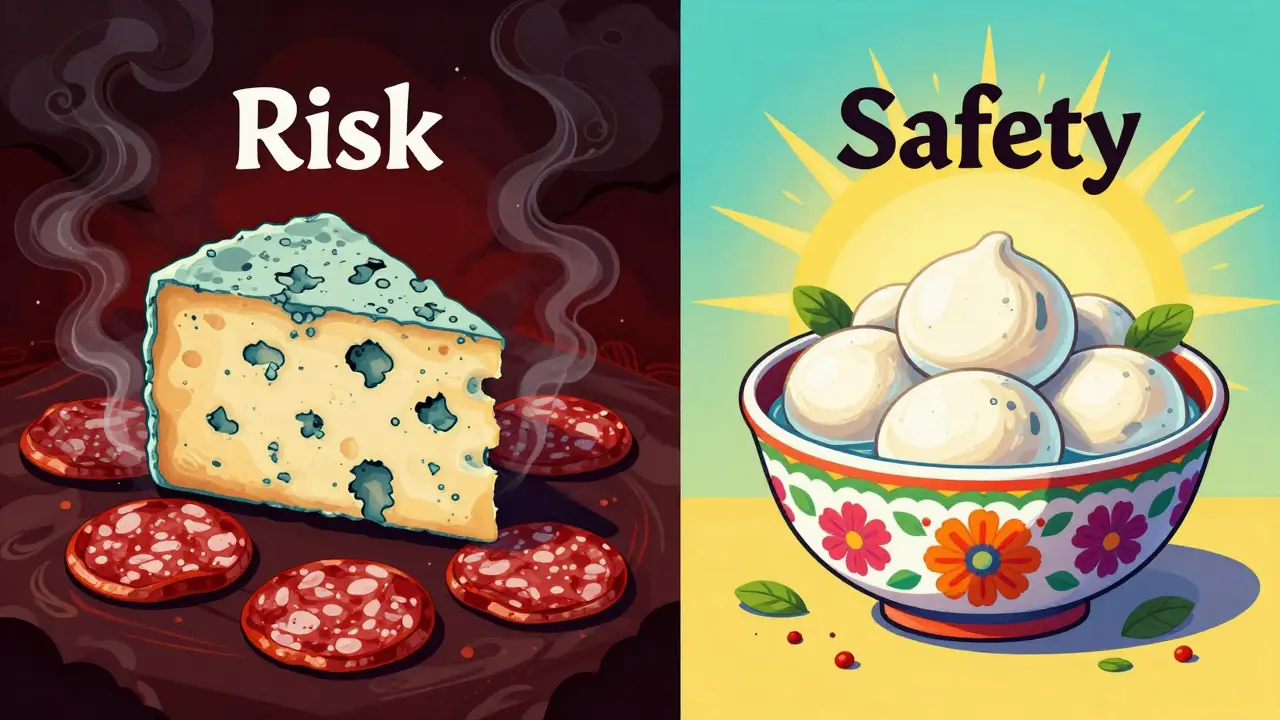
The most dangerous culprits are the "stinky" or long-aged varieties. Blue cheeses like Stilton and Gorgonzola are among the highest risks, containing between 1,000 and 3,500 mcg/g of tyramine. Parmesan and Swiss cheese are similarly risky. On the flip side, fresh cheeses made from pasteurized milk are generally safe because they haven't had time to develop those high tyramine levels.
Processed meats follow the same pattern. The more "cured" or "dry" the meat is, the higher the risk. Salami and pepperoni are red flags, while a piece of fresh roast turkey or un-cured chicken is perfectly fine. Even some condiments, like soy sauce and fish sauce, contain massive amounts of tyramine and can be just as dangerous as a wedge of aged cheddar.
| Food Item | Tyramine Level (mcg/g) | Risk Level |
|---|---|---|
| Stilton / Gorgonzola | 1,000 - 3,500 | Very High |
| Parmesan | 610 - 1,400 | High |
| Dry Summer Sausage | 300 - 900 | High |
| Salami / Pepperoni | 150 - 600 | Moderate to High |
| Feta (Brined) | 350 - 800 | Moderate |
| Bacon | 75 - 250 | Low to Moderate |
| Ricotta / Cottage Cheese | < 40 | Safe |
| Fresh Mozzarella | < 25 | Safe |
Recognizing the Warning Signs
If you've accidentally eaten a high-tyramine food while on an MAOI, the symptoms usually hit fast-often within 15 to 30 minutes. It doesn't start as a mild stomach ache; it's an intense physical reaction. The most common sign is a severe occipital headache (at the back of the head) that feels like a pulsing or exploding sensation. This occurs in about 92% of reported cases.
Other red flags include heart palpitations, heavy sweating, and photophobia (where light hurts your eyes). One user on Drugs.com described a Parmesan salad causing a blood pressure reading of 198/112, resulting in an emergency room visit. If you experience these symptoms, you aren't just having a bad reaction to food; you are having a medical emergency that requires immediate intervention to lower your blood pressure.
Practical Strategies for a Tyramine-Restricted Diet
Living with these restrictions can feel overwhelming, especially when dining out. However, it's all about substitution and awareness. You don't have to give up cheese entirely; you just have to change MAOI tyramine interaction management strategies. Instead of reaching for aged Parmesan in a pasta dish, use fresh mozzarella or ricotta. Instead of a salami platter, go for fresh sliced turkey or roast beef.
A few pro tips for staying safe:
- Read Labels Carefully: Look for terms like "aged," "cured," or "fermented." These are signals that tyramine might be present.
- Carry an Emergency Card: If you're in a restaurant or medical setting, have a card that explicitly states you are taking an MAOI and cannot eat tyramine-rich foods.
- Monitor at Home: The American Heart Association suggests checking your blood pressure twice daily to establish your baseline.
- Keep a Food Diary: Everyone's threshold is different. Some people can handle 10mg of tyramine, while others react to 6mg. Tracking what you eat and how you feel helps you find your personal limit.
The Recovery Window: Why Stopping the Drug Isn't Enough
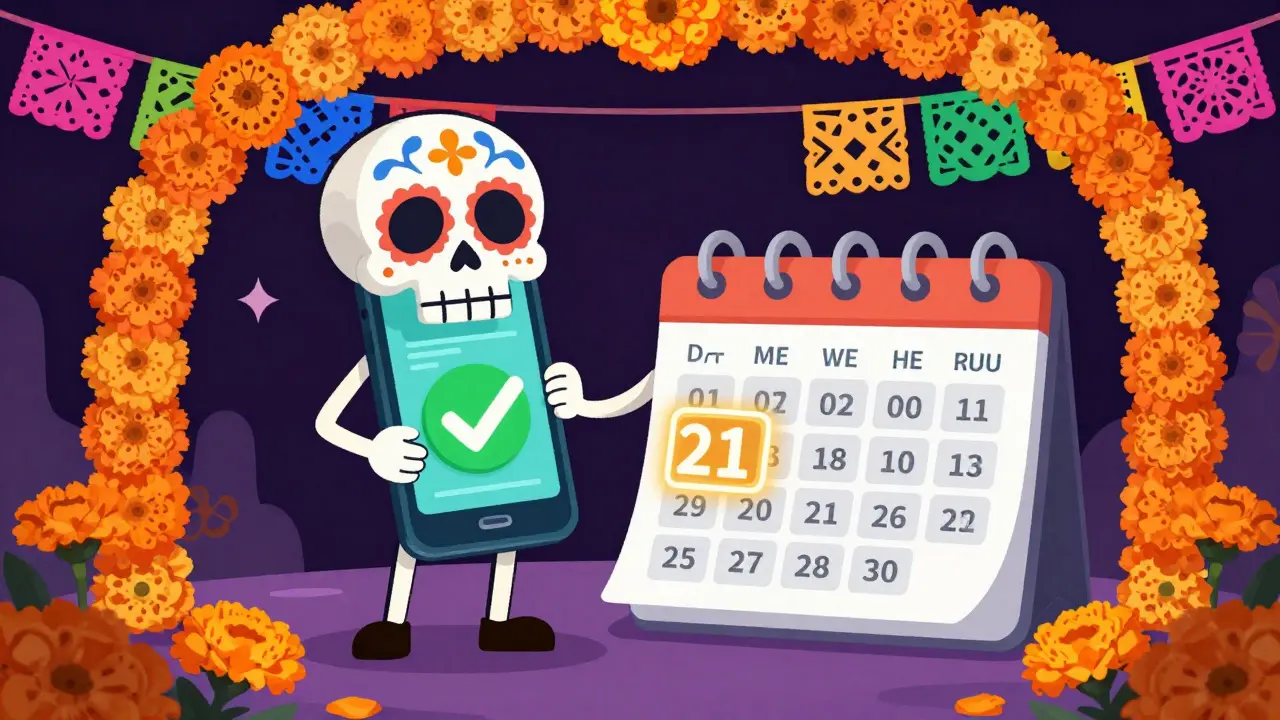
One of the most dangerous misconceptions is that you can eat aged cheese the moment you stop taking your medication. This is not true. The monoamine oxidase enzymes that your medication blocked don't just snap back into place instantly. It takes time for your body to rebuild those enzymes.
According to the NSW Agency for Clinical Innovation, you must maintain a tyramine-restricted diet for at least two to three weeks after your last dose. This 14-to-21-day window is critical because your body is still vulnerable to tyramine accumulation during this recovery phase. Eating a high-tyramine meal on day three after stopping your meds could still land you in the ER.
Looking Forward: Technology and New Solutions
Managing this diet is getting easier. We're seeing the rise of "MAOI-safe" products, like fresh mozzarella cups specifically designed for medication users. There are even apps now, like the Mayo Clinic's MAOI Diet Tracker, that allow you to scan barcodes to check for high-tyramine risks.
Researchers are also working on more permanent solutions. The National Institute of Mental Health is exploring genetically modified cheeses with naturally lower tyramine levels. There are even clinical trials testing tyramine-metabolizing enzyme supplements that could potentially act as a "safety net," allowing patients to eat a wider variety of foods without the risk of a hypertensive crisis.
Can I eat any cheese at all on an MAOI?
Yes, but only fresh cheeses. Safe options include cottage cheese, ricotta, cream cheese, and fresh mozzarella. Avoid anything that is aged, ripened, or brined, such as Cheddar, Swiss, Parmesan, and Blue cheese.
What is a "safe" amount of tyramine per serving?
Generally, a serving containing less than 6 mg of tyramine is considered safe for most people. However, individual tolerance varies wildly, and some sensitive patients may react to even smaller amounts.
Are there other foods besides cheese and meat I should avoid?
Yes. Fermented sauces are very high risk. Soy sauce, miso, and fish sauce can contain tyramine levels ranging from 800 to 3,000 mcg/g. Be cautious with these in sushi or stir-fry dishes.
How quickly do the symptoms of a hypertensive crisis appear?
Symptoms typically appear very quickly, usually within 15 to 30 minutes after eating the food. The most common sign is a sudden, severe headache at the back of the head.
Is chocolate or banana safe for MAOI users?
Recent guidelines from the NSW Agency for Clinical Innovation suggest that bananas and chocolate are generally safe, as they contain relatively low levels of tyramine compared to aged cheeses.

There are 14 Comments
julya tassi
This is such a scary thought! I had no idea a simple piece of cheese could do that. Thanks for sharing this info! 😊
Tanya Rogers
The sheer banality of these warnings is almost as tedious as the restrictive diets themselves. One wonders if the pharmaceutical industry emphasizes these visceral horrors simply to maintain a veneer of medical necessity while ignoring the holistic failures of modern psychopharmacology.
Shalika Jain
Honestly, why are we even talking about this? Like, who actually takes Nardil in 2024? It's so outdated it's practically vintage medicine. I can't imagine living in fear of a piece of brie, that's just tragic.
Olushola Adedoyin
Wake up people! They want us scared of cheese so we buy their "safe" processed cardboard cups! It's a total scam by the big food labs to control what we put in our bodies. This is some straight up mind-control stuff!
Akshata Kembhavi
Soy sauce being on the list is the real tragedy here. Most of my favorite comfort foods are gone if I'm on this stuff. Just keep it chill and read the labels, I guess.
Aman Tomar
It is truly heartbraking to think how much a person must suffer in silence when they accidently eat something wrong. The thundercap sensation sounds absolutely terible and anxiaty inducing for any patient. We must all be more empatic to those dealing with such strict rules. I honestly feel for the people who have to navigate restaurants with this fear. It is a truly daunting task to just eat a meal without fearing for your life. The mental toll of constant vigilance must be exhaustive. This is a heavy burden to carry daily. My heart goes out to everyone struggling with these dietary prisons. We should all strive to be more understanding of these hidden medical battles. It is just so sad that a piece of salami can be a weapon. Truly a tragedy of chemistry. I hope more people find the safe alternatives quickly.
dallia alaba
For those navigating this, remember that checking the 'date of production' on soft cheeses can sometimes provide extra peace of mind. The fresher the product, the lower the tyramine. It's always worth double-checking with the deli manager about the specific aging process of the batch.
Wendy Ajurín
I concur with the emphasis on the recovery window. It is a common clinical error for patients to resume a standard diet immediately upon cessation of the medication, which can lead to avoidable emergency admissions.
William Young
I appreciate the practical tips provided here. It helps lower the barrier for people who might feel overwhelmed by the restrictions.
Aaron McGrath
GET YOUR HEAD IN THE GAME! STOP COMPLAINING ABOUT THE CHEESE AND START OPTIMIZING YOUR MACROS WITH SAFE ALTERNATIVES! STOP THE WEAKNESS AND CRUSH YOUR DIETARY GOALS! READ THE LABELS OR GET OUT!
Grace Grace
Oh my goodness, this is absolutly terrifing!! We must all support each other through this dietery struggle!! Please, please be carefull out there, everyone!! Its just too much to handle alone!!
Mike Beattie
The systemic failure of the MAO enzyme is essentially a metabolic bottleneck. If you're experiencing a hypertensive crisis, you're basically dealing with an acute catecholamine surge. Typical stuff if you actually understand the pharmacodynamics.
Lucy Kuo
It is an absolute tragedy that such culinary delights are forbidden for some. However, we must embrace the beauty of fresh mozzarella and the elegance of simple, un-cured meats to ensure the safety and wellbeing of our community.
Charlotte Boychuk
Fresh mozzarella is a total game changer. Just toss it with some basil and olive oil and you've got a vibe that's way better than some old stinky cheese anyway!
Write a comment
Your email address will not be published. Required fields are marked *