Sleep Medications: Safety, Dependence, and Alternatives Explained
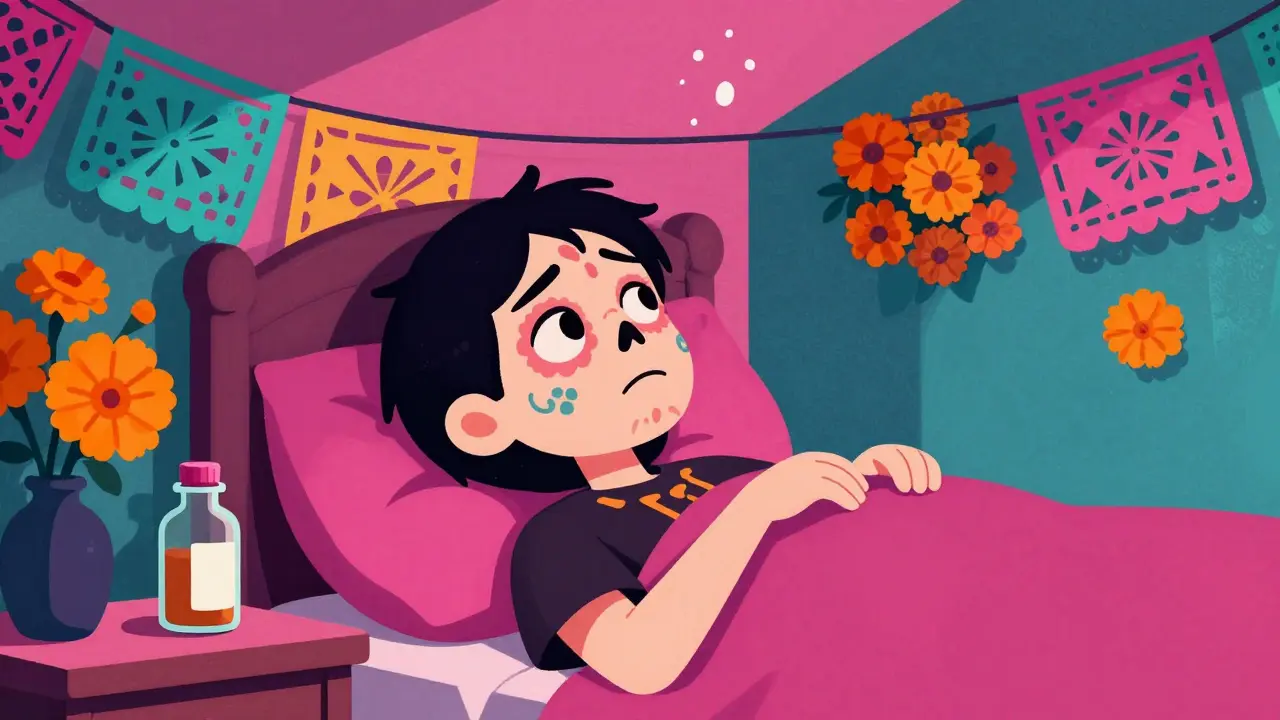
Have you ever spent hours staring at the ceiling, wondering if tonight will be any different from last night? You are not alone. Millions of people rely on pills to simply switch off their brains so they can rest. While sleep medications offer a quick fix for the immediate problem of wakefulness, they come with a heavy price tag regarding your health long-term. The medical landscape has shifted significantly over the last decade. Doctors now know that popping a pill every night isn't the answer, especially when compared to behavioral changes that last.
Many people don't realize that standard prescription sleep aids, often taken for granted by those who have used them for years, fall under strict safety warnings due to dependency risks and dangerous side effects like memory loss or even sleep-driving. Understanding exactly what goes on inside your body when you take these drugs-and what happens when you stop-is crucial before you hand over another prescription slip.
What Are Sleep Pills Actually Made Of?
When we talk about sleeping pills, we aren't talking about one single thing. We are discussing a diverse group of chemicals designed to depress the central nervous system. Historically, the first major wave came early in the 1900s with barbiturates, which were later replaced by benzodiazepines. If you have heard of Valium or Xanax being used off-label for sleep, that belongs to this family.
Benzodiazepines work by enhancing the GABA neurotransmitter in the brain, effectively slowing down brain activity to induce sedation. These drugs are effective, yes, but they hit hard and wide. They affect almost every part of the brain, which leads to why you might feel groggy hours after waking up.
The modern era introduced what doctors call "Z-drugs." These include names like zolpidem (sold as Ambien), eszopiclone (Lunesta), and zaleplon (Sonata). These were marketed as "cleaner" versions of older drugs. They target specific receptor subtypes to theoretically reduce side effects. However, studies show they still carry significant risks, particularly regarding complex sleep behaviors. That means doing things while you sleep, like eating or driving, that you never remember afterward.
Beyond these two main categories, doctors often prescribe sedating antidepressants, such as trazodone, off-label. Some people find these helpful because they don't carry the same addiction profile as Z-drugs, but they introduce a different set of complications, including dry mouth, dizziness, and cardiac issues in some cases. Over-the-counter (OTC) options like diphenhydramine (Benadryl) are also popular, yet they function primarily as antihistamines with strong anticholinergic effects, which link to cognitive decline over time.
The Hidden Costs of Safety and Side Effects
You might think that taking a pill to sleep is safer than staying awake and exhausted. While that is true for a night here or there, long-term use paints a different picture. Residual effects, often called a "hangover," are extremely common. Data suggests that roughly 25% of users report memory problems or motor coordination difficulties the day after taking a dose. This isn't just feeling tired; it's actual impairment that affects driving ability.
Research indicates the cognitive impact can be comparable to having a blood alcohol concentration between 0.05% and 0.08%. For women specifically, newer guidelines recommend lower starting doses because female metabolism processes these drugs differently, leaving higher levels of the drug in the blood in the morning.
This becomes critical for older adults. The Beers Criteria from 2023 strongly advises against giving benzodiazepines or Z-drugs to seniors. Why? Because these drugs increase the risk of falling by up to 50-60%. A fall for an older adult isn't just a bruise; it often results in fractures or hospitalization. In fact, the anticholinergic burden of many sleep meds (especially OTC antihistamines) links directly to a higher risk of dementia later in life.
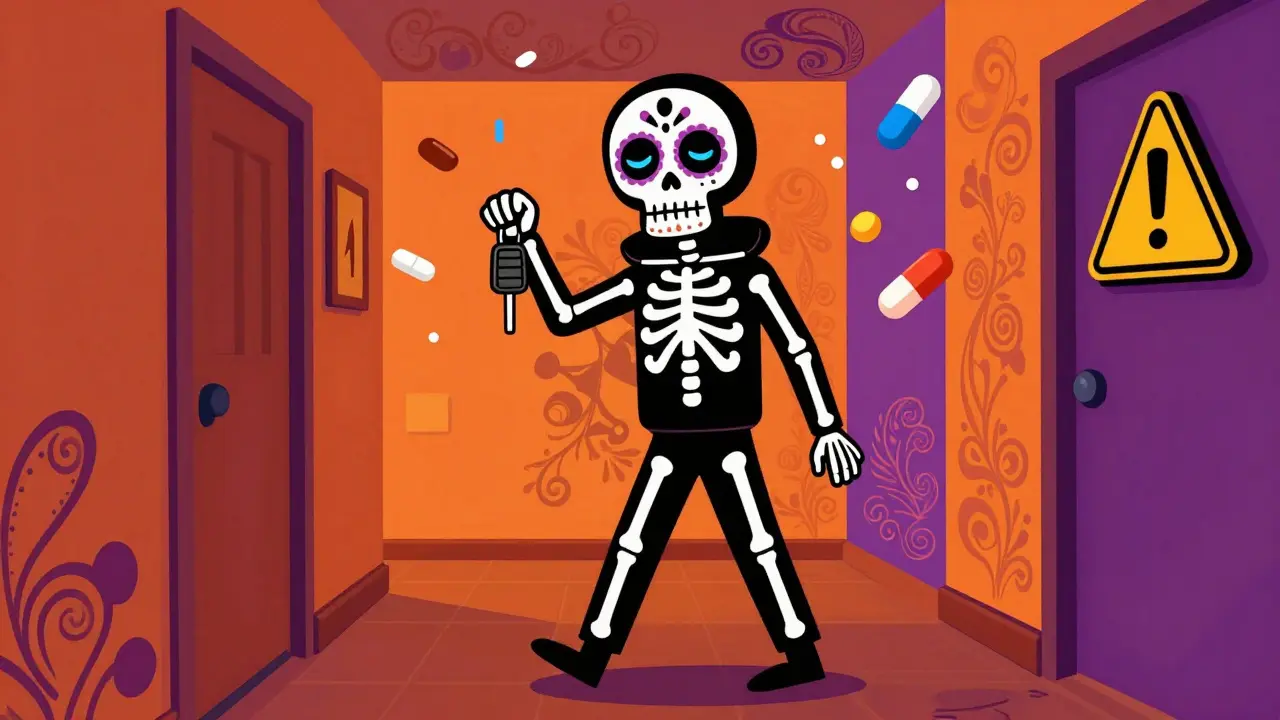
Then there is the issue of parasomnias. While rare, occurring in about 0.5% of Z-drug users, complex behaviors like sleepwalking or sleep-driving have led to severe injuries. The FDA actually updated their warnings in 2019 to highlight this specific risk. If you have ever woken up in the kitchen or found clothes moved in your room after taking these meds, it is a red flag you should ignore no longer.
The Vicious Cycle of Dependence
One of the most confusing aspects of treating insomnia is something known as tolerance. The body adapts. If a 5mg dose worked for a month, it might not work as well by month three. You start taking more. Soon, you are using the medicine daily, not just occasionally. Studies estimate that up to 33% of regular benzodiazepine users become dependent within a few months.
This dependence is tricky because stopping abruptly causes withdrawal symptoms that feel much worse than your original insomnia. You experience rebound insomnia-where your sleep quality drops significantly below baseline levels-and anxiety spikes. Many people tell me they "can't quit" because they are terrified of not sleeping again. Dr. Nitun Kapoor, a sleep specialist, notes that this fear reinforces the continued medication use, creating a trap that is incredibly hard to break without professional help.
To do this safely, physicians recommend a gradual taper. Dropping the medication cold-turkey is dangerous and often ineffective. A standard protocol involves reducing the dose by 25% every two weeks, though this varies based on the half-life of the specific drug. About 40% of patients trying to quit require extra support beyond just lowering the dose, often needing psychological interventions simultaneously.
| Method | Typical Efficacy | Risk of Dependence | Next-Day Impact |
|---|---|---|---|
| Z-Drugs (e.g., Ambien) |
High short-term Moderate long-term |
Moderate to High (5-10%) |
Impairment Memory lapses |
| Benzodiazepines (e.g., Xanax) |
Moderate to High | High (up to 33%) |
Significant drowsiness Motor issues |
| Cognitive Behavioral Therapy (CBT-I) | High long-term Lasting benefits |
None | None |
| Digital Therapeutics (Prescription Apps) |
High (60% remission) |
None | None |
Why Alternatives Work Better Long-Term
If medication has these risks, what should you do instead? The gold standard in clinical guidelines is Cognitive Behavioral Therapy for Insomnia (CBT-I). Unlike standard talk therapy, CBT-I is structured and focuses specifically on the thoughts and behaviors keeping you awake. It helps you retrain your brain to associate the bed with sleep rather than anxiety.
Experts consistently cite CBT-I as superior for long-term management. Research shows efficacy rates between 70% and 80%, and crucially, the benefits remain long after the treatment ends. Medications stop working once you stop taking them; CBT skills stay with you. You learn stimulus control (only getting into bed when sleepy), sleep restriction (limiting time in bed to match sleep capacity), and relaxation techniques to manage physical arousal.
New technology has made this accessible. Digital therapeutics like Somryst (a prescription app approved in 2020) deliver CBT-I protocols through mobile devices. Clinical trials showed 60% remission rates in participants using these digital tools. Furthermore, there are newer drug classes being developed, such as orexin receptor antagonists (like daridorexant), which work differently to promote sleep-wake cycles without the heavy sedative effect. They aim to shut down the alertness signal rather than knocking you out.
Natural supplements like melatonin are often viewed as benign, but it is worth noting that while satisfaction rates for these are generally higher, they are less powerful for chronic insomnia than CBT-I. However, if you combine better sleep hygiene-keeping a dark, cool room and avoiding screens before bed-with these strategies, the need for pharmaceutical intervention often disappears entirely.
Questions About Stopping and Switching
How do I know if I'm addicted to my sleep meds?
Signs include needing higher doses to feel the same effect, feeling anxious if you miss a dose, or experiencing withdrawal symptoms when you try to skip a night. If you need the medication to get through the night regularly for more than four weeks, you are likely facing physiological dependence.
Is it safe to drive the morning after taking a pill?
Be extremely cautious. Even if you feel fine, tests show that reaction times can be impaired for up to 8 hours after a standard dose of Z-drugs. Women are advised to wait even longer due to slower metabolizing rates. Always check with your doctor before operating machinery.
Can children take these medications?
No, sedative hypnotics are generally not recommended for pediatric populations due to the risk of respiratory depression and paradoxical reactions (increased hyperactivity). Non-pharmaceutical approaches should always be tried first in children.
Frequently Asked Questions
Are Z-drugs safer than benzos?
Generally, yes. Z-drugs typically have a lower risk of dependence (5-10%) compared to benzodiazepines (up to 33%). However, Z-drugs carry a unique risk for complex sleep behaviors like sleep-driving, which requires careful monitoring.
How long does it take to get off sleeping pills?
A gradual taper is usually required. It might take several months to safely withdraw, reducing the dose by about 25% every two weeks while utilizing non-medication strategies like CBT-I to manage sleep.
Does CBT-I actually work for severe insomnia?
Yes. Studies show CBT-I has an efficacy rate of around 70-80% for chronic insomnia, and unlike medication, the results tend to persist long-term without physical side effects.
Is it okay to mix sleep meds with alcohol?
Absolutely not. Mixing them increases the risk of overdose by 300% and severely amplifies sedative effects, leading to dangerous respiratory depression.
What are the alternatives to prescription drugs?
Top alternatives include CBT-I (therapy), Digital Therapeutics (apps like Somryst), strict sleep hygiene (routine and environment optimization), and in some cases, natural supplements like melatonin, though these are weaker than prescription drugs.
Ultimately, treating sleep disorders is about more than just the chemistry of a tablet. It is about building a healthy relationship with your own biology. While the pill bottle offers an easy path, it is paved with potential pitfalls. Taking charge of your sleep health means looking beyond the immediate relief of a pill to the sustainable safety of behavioral change.


There are 9 Comments
Jenny Gardner
This article absolutely shocked me!!! I had no idea sleep-driving was a real thing. My cousin once woke up in the kitchen with no memory! It is scary how common this is now. We need to talk about this more!!!!
Molly O'Donnell
They really do not warn patients about the severe withdrawal protocols properly.
Rod Farren
The GABAergic modulation discussed here is critical for understanding tolerance mechanisms. Clinicians often underestimate the half-life variance in different demographics. Metabolic clearance rates dictate the severity of rebound insomnia significantly. Z-drugs present a distinct profile regarding complex sleep behaviors specifically. We must monitor for anticholinergic burden during long-term therapy usage.
Eleanor Black
I feel deeply sad reading about these struggles daily.:) It is unfortunate that medication remains the default treatment option. Many individuals endure physical side effects without knowing why. Memory loss creates barriers to safe operation later on. The risk of falling increases drastically for older populations too. :( Tolerance builds faster than anyone expects honestly. Psychological dependence traps people in endless loops of fear. We should prioritize behavioral therapies before considering pharmaceuticals seriously. Cognitive restructuring helps retrain the brain effectively. New digital tools offer hope for sustainable improvement. Social support systems must evolve to handle these needs. Families play a vital role in monitoring safety measures. Professional guidance ensures tapering occurs safely for everyone involved. Recovery takes time but rewards are permanent unlike pills. We must advocate for safer medical standards moving forward.
Julian Soro
There is still plenty of hope for finding solutions. CBT-I is a game changer for chronic issues. Small steps toward better sleep hygiene work wonders eventually. Stay consistent and trust the process.
Cullen Zelenka
I totally agree with the focus on behavioral changes. It feels good to hear there is a way out. Positive outcomes are possible if people stick to the plan.
Owen Barnes
Listne carefully to the advice given thre. Thier are real solutions availble for everyone. Dont rush the tapering proccess or u might feel worse. Patence is key. Keep yore mindset positive through hard times. Its a journey worth taking together.
Callie Bartley
Everyone complains about doctors but never does anything. It is typical to ignore the warnings until harm is done. The system protects its own interests regardless of patient safety.
Christopher Beeson
We live in a culture that criminalizes the natural state of rest. Pharmaceutical capitalism thrives on keeping consumers dependent forever. True autonomy requires rejecting the prescribed narrative entirely.
Write a comment
Your email address will not be published. Required fields are marked *