
When you eat bread, pasta, or beer, your body usually handles it without a second thought. But for someone with celiac disease, that bite triggers a silent war inside their gut. It’s not an allergy. It’s not just feeling bloated. It’s your own immune system turning on your small intestine, chewing up the very lining meant to absorb nutrients. And the trigger? Gluten - a protein found in wheat, barley, and rye.
How Gluten Turns Into an Enemy Inside Your Body
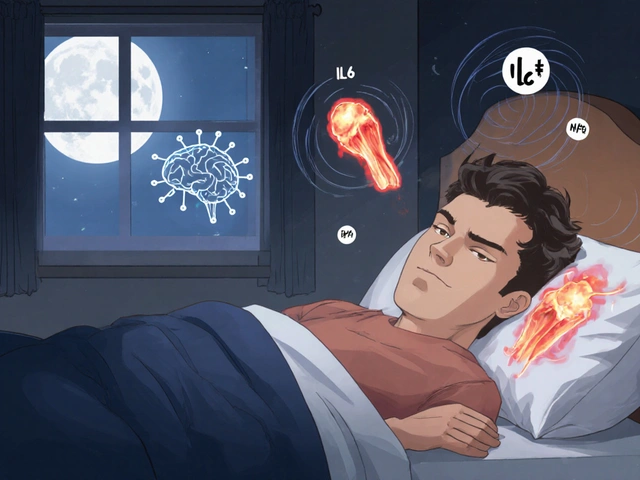
Celiac disease doesn’t appear out of nowhere. It needs three things: the right genes, gluten, and a trigger. About 95% of people with celiac carry the HLA-DQ2 gene, and most of the rest carry HLA-DQ8. These genes don’t cause the disease, but they make it possible. Without them, you won’t develop celiac - even if you eat tons of gluten. When gluten enters the gut, enzymes break it down, but not completely. A stubborn fragment called the 33-mer gliadin survives. Normally, this would pass through harmlessly. But in celiac, something goes wrong. The tight junctions between gut cells loosen, thanks to a protein called zonulin. The gluten fragment slips through, landing in the layer beneath the gut lining - the lamina propria. That’s where tissue transglutaminase 2 (TG2) comes in. This enzyme tweaks the gluten fragment, changing its shape so it sticks like glue to HLA-DQ2 or HLA-DQ8 molecules on immune cells. These cells then scream to CD4+ T cells: "Attack!" The T cells respond by flooding the area with interferon-gamma - a signal that causes inflammation and damage. The result? Villi, the tiny finger-like projections in your small intestine that absorb nutrients, flatten out. This is called villous atrophy. Your body can’t absorb iron, calcium, or vitamins properly. That’s why fatigue, anemia, and bone loss are so common. A major shift happened in August 2024. Researchers at McMaster University found that the gut lining itself isn’t just a passive barrier - it can actively start the immune response. Epithelial cells expressing HLA-DQ2 can present gluten to T cells, meaning the damage begins even before immune cells get involved. This changes everything we thought about how celiac starts.Celiac vs. Gluten Sensitivity: What’s the Real Difference?
Many people think if they feel better off gluten, they have celiac. But that’s not true. Non-celiac gluten sensitivity (NCGS) affects up to 13% of people in some areas, but it’s not the same disease. No autoimmunity. No villous atrophy. No tTG antibodies. In celiac, your body makes specific antibodies - anti-tTG and anti-endomysial. These are highly accurate. A positive tTG-IgA test, combined with a biopsy showing damaged villi, confirms celiac with over 98% accuracy - as long as you’re still eating gluten. If you’ve already gone gluten-free, the test can be negative, even if you have the disease. NCGS has no lab test. No biomarkers. No visible damage on biopsy. People with NCGS might feel better avoiding gluten, but they don’t face the same long-term risks - like intestinal lymphoma or osteoporosis. And unlike celiac, some people with NCGS can tolerate small amounts of gluten without harm. The key difference? Celiac is autoimmune. NCGS is not. Treating them the same leads to confusion. One requires lifelong, strict avoidance. The other? Less clear.The Only Treatment: A Strict, Lifelong Gluten-Free Diet
There’s no pill. No cure. The only proven treatment is removing all gluten - completely. Not "mostly." Not "most of the time." Every bite counts. The standard for "gluten-free" is 20 parts per million (ppm) or less. That’s tiny - like one drop of water in a swimming pool. But even that small amount can trigger damage in sensitive people. That’s why certified gluten-free products exist. They’re tested to ensure they meet this standard. Getting started means a full pantry reset. Wheat, barley, rye, and their derivatives - like malt, brewer’s yeast, and wheat starch - are out. Oats are tricky. They’re naturally gluten-free, but often cross-contaminated. Only eat oats labeled gluten-free. Safe grains? Rice, corn, quinoa, buckwheat, millet, amaranth, and teff. These form the base of a healthy gluten-free diet. But beware: gluten hides in unexpected places. Soy sauce, salad dressings, soups, medications, supplements, and even lipstick can contain gluten. Always read labels. Look for "gluten-free" certification logos - they’re your best friend.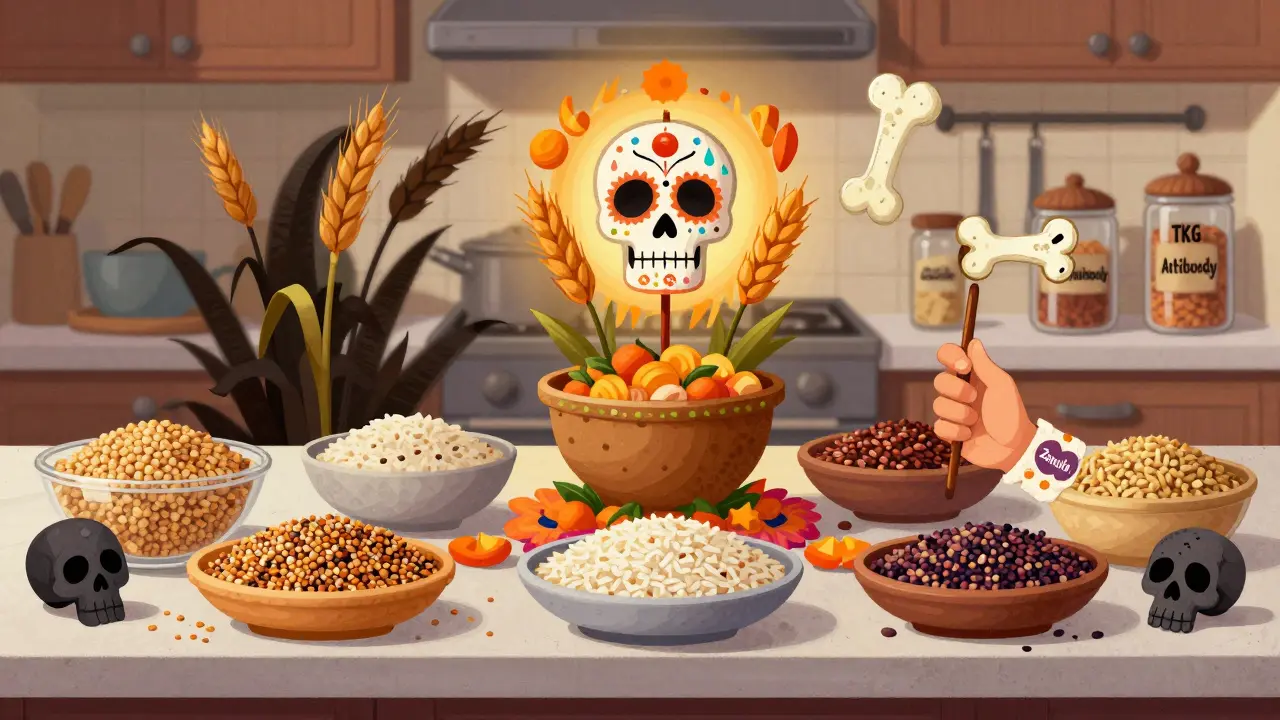
What Goes Wrong Even on a Gluten-Free Diet?
You’d think once you go gluten-free, everything gets better. For most, it does. About 89% report major improvement within six months. But 30% still have symptoms. Why? Cross-contamination is the biggest culprit. A shared toaster, a knife used for both regular and gluten-free bread, or a fryer that fries breaded chicken and fries - all can spike gluten levels. Studies show using a dedicated gluten-free toaster reduces contamination risk by 85%. Hidden gluten in medications is another silent problem. Only 37% of prescription drugs list gluten content. If you’re still feeling off, ask your pharmacist: "Is this medication gluten-free?" Nutrient deficiencies linger. Iron deficiency hits 33% of newly diagnosed patients. Vitamin D? 47%. B12 and calcium are also common. A blood test after diagnosis is critical. Many need supplements for months - sometimes years - until the gut heals enough to absorb nutrients again.Dining Out, Traveling, and Social Life: The Hidden Costs
The emotional toll is real. Sixty-three percent of young adults with celiac say they avoid social events because they’re afraid of getting sick. Restaurants are risky. Even if a chef says "we have gluten-free options," cross-contamination is common. Sixty-seven percent of celiac patients report getting sick from restaurant meals. Solutions? Call ahead. Ask if they have a separate prep area. Bring your own gluten-free sauce. Carry emergency snacks - gluten-free bars, nuts, fruit. Apps like Find Me Gluten Free (rated 4.7 by 185,000 users) help locate safe restaurants. Cost is another barrier. Gluten-free products cost, on average, 242% more than regular ones. A box of gluten-free pasta might be $5.50. The regular kind? $1.50. For families, that adds up fast. Some states and countries offer subsidies, but in the U.S., only 12% of health plans cover gluten-free foods.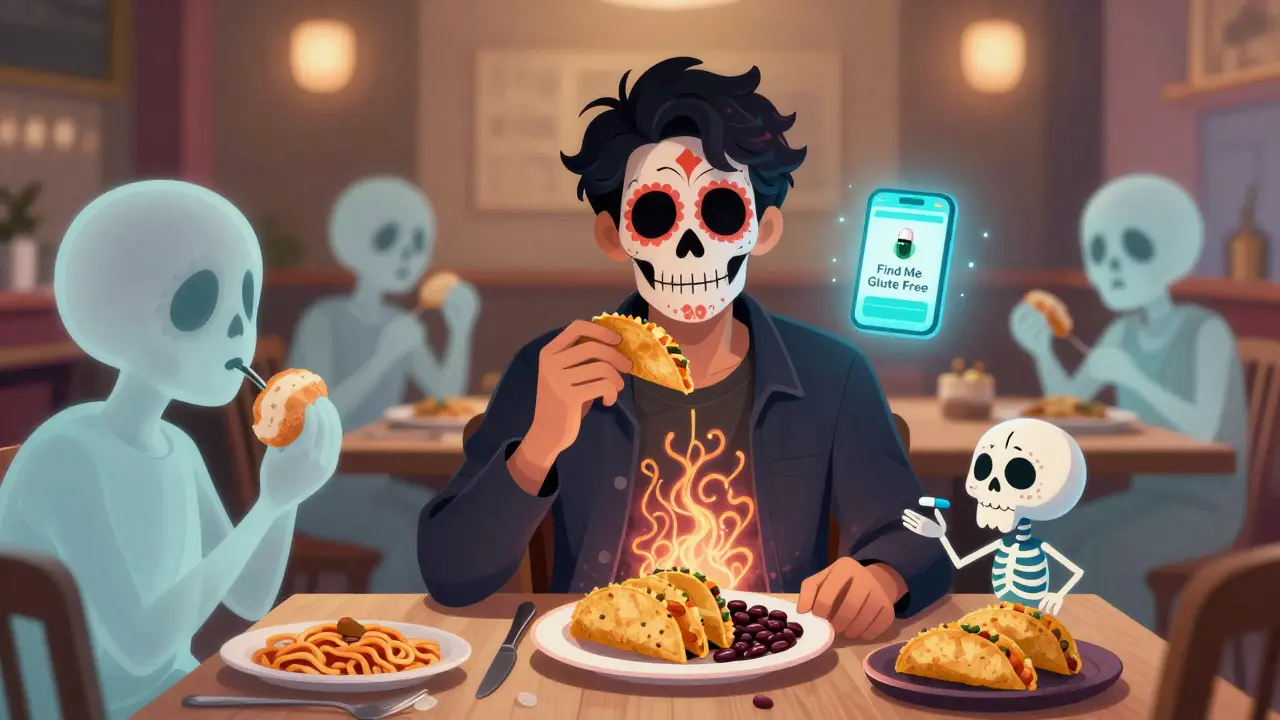
What’s Coming Next? New Treatments on the Horizon
While the gluten-free diet works, it’s not perfect. That’s why researchers are racing to find alternatives. Three therapies are in late-stage trials. Nexvax2 is a vaccine-like treatment that desensitizes the immune system to gluten. In Phase 2, it cut symptom severity by 42%. Latiglutenase is an enzyme pill that breaks down gluten in the stomach before it reaches the intestine. In trials, it improved symptoms by 37%. TAK-101 uses nanoparticles to teach the immune system to ignore gluten - and in 2023, it reduced intestinal damage by 63%. Scientists are also building devices that can detect gluten in food at levels as low as 5 ppm - way below the 20 ppm safety limit. Imagine a handheld scanner that tells you if your salad has hidden gluten. And then there’s the microbiome. Early studies show people with celiac have different gut bacteria than those without. Could tweaking those bacteria help? Research is ongoing. None of these are ready yet. But by 2027-2030, combination therapies might mean people don’t need to be as strict. For now, though, the diet is still the only tool we have.What to Do After Diagnosis
If you’ve just been diagnosed:- Get a blood test for nutrient levels - iron, B12, vitamin D, calcium.
- See a dietitian who specializes in celiac disease. They’ll teach you how to read labels and avoid hidden gluten.
- Replace your kitchen tools: get a new toaster, cutting board, and colander. Clean shared spaces thoroughly.
- Join a support group. Reddit’s r/celiac has over 245,000 members. The Celiac Disease Foundation offers webinars and meal plans.
- Get a follow-up biopsy in 1-2 years. It’s the only way to know if your gut has healed.
Frequently Asked Questions
Can celiac disease go away if I stop eating gluten?
No. Celiac disease is a lifelong genetic condition. Stopping gluten stops the damage and lets your gut heal, but your immune system still reacts to gluten. If you eat it again, the damage returns. There’s no cure - only management.
Is a gluten-free diet healthy if I don’t have celiac?
Not necessarily. Many gluten-free products are low in fiber, iron, and B vitamins because they’re made with refined rice or potato starch. Unless you have celiac, NCGS, or a wheat allergy, cutting out gluten offers no health benefit - and may even make your diet worse. Whole grains like wheat provide important nutrients.
Can I eat oats if I have celiac disease?
Only if they’re labeled gluten-free. Most oats are contaminated with wheat during farming or processing. Pure, uncontaminated oats are safe for most people with celiac, but a small percentage still react. Start with small amounts and monitor symptoms.
Why do some people with celiac still feel sick after going gluten-free?
The most common reason is hidden gluten - from cross-contamination, medications, or unmarked ingredients. Other causes include lactose intolerance (common after gut damage), SIBO (small intestinal bacterial overgrowth), or another condition like IBS. A follow-up with your doctor is key.
How long does it take for the gut to heal after starting a gluten-free diet?
Children often heal within 3-6 months. Adults may take 1-2 years, sometimes longer. Healing depends on age, how long you had the disease before diagnosis, and how strict you are with the diet. A repeat biopsy is the only way to confirm full recovery.

There are 10 Comments
Lynsey Tyson
Just got diagnosed last month and I’m still learning. The part about cross-contamination blew my mind-turns out my toaster was the enemy all along. Bought a new one and my bloating dropped by like 80%.
Also, never knew gluten hides in lipstick. Now I check everything. Weird but true.
Allison Pannabekcer
I’ve been gluten-free for 12 years and I still get tripped up by sauces and meds. The biggest game-changer? Finding a celiac-savvy dietitian. They taught me how to read ingredient lists like a detective.
Also, oats are fine if they’re certified-just start slow. My kid had a reaction at first, turned out she was just sensitive to the volume, not the oats themselves.
Dikshita Mehta
From India, where wheat is everywhere, going gluten-free was brutal. But once I switched to jowar and ragi rotis, everything improved.
Also, most Indian spices are safe, but check the packaging-some brands add wheat flour as a filler. Always look for FSSAI-certified gluten-free labels if available.
pascal pantel
Let’s be real-this post is 90% fearmongering. The ‘villous atrophy’ stuff is accurate, but nobody talks about how 30% of people who think they have celiac don’t even have the HLA genes.
And those ‘gluten-free’ products? Mostly just sugar and starch with a premium price tag. You’re better off eating whole foods, not buying overpriced gluten-free bread that tastes like cardboard.
Also, the ‘20 ppm’ standard is arbitrary. Some people react to 5 ppm, others don’t care about 50. Stop treating this like a universal rulebook.
Gloria Parraz
I cried the first time I ate a real sandwich again after 5 years. Not because it was fancy-just because it was normal.
People don’t get how lonely this is. Birthday parties, work lunches, family dinners-it’s not just about food. It’s about belonging.
But I found my tribe. Reddit saved me. And yes, I still bring my own sauce. No shame.
Sahil jassy
Kathryn Featherstone
Just wanted to say thank you for mentioning the biopsy follow-up. I skipped mine for a year because I ‘felt fine.’ Turns out, my gut was still shredded. Got it done last month-huge relief.
Also, vitamin D supplements are non-negotiable. I take 5000 IU daily. My energy came back like a switch flipped.
Nicole Rutherford
Ugh. Another ‘gluten is evil’ post. You’re all just chasing trends.
Most people who say they have celiac never even got tested. And those who did? They’re probably just intolerant to FODMAPs or have IBS.
Stop pretending you’re sick because you don’t like bread. It’s exhausting.
Chris Clark
Yo I’m from the Midwest and we eat a lot of wheat here. I got diagnosed after passing out at work-low iron, zero B12, couldn’t even walk up stairs.
Turns out my ‘bad digestion’ was celiac. No joke.
Also, I thought soy sauce was safe until my friend from Japan told me tamari is the real deal. Now I only buy the gluten-free stuff. And yeah, it’s expensive but worth it.
Also, my dog eats gluten-free kibble now. Just in case she licks my plate. She’s my co-pilot in this weird life.
Dorine Anthony
Just wanted to add: if you’re traveling internationally, carry a card in the local language explaining celiac. I had one made in Spanish when I went to Mexico-it saved me from a hospital trip.
Also, airlines are way better now. Just request a gluten-free meal when you book. Don’t wait until check-in.
Write a comment
Your email address will not be published. Required fields are marked *